

Miso paste
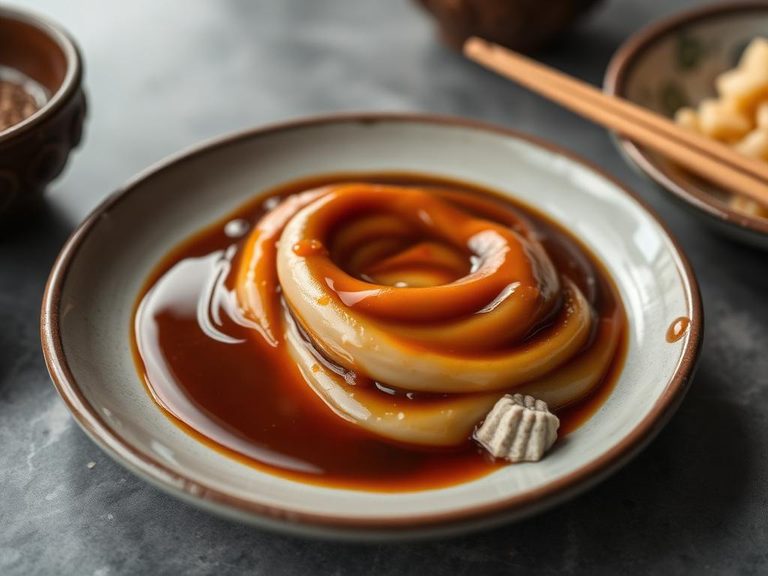
Miso paste is a thick, savory Japanese seasoning made by fermenting soybeans with salt and a fungus called koji, often with added rice or barley. It is a foundational ingredient in Japanese cuisine, used to make miso soup, glazes, marinades, and dressings. Its flavor profile is deeply umami, salty, and can range from sweet and mild to pungent and robust depending on the variety and fermentation time.
🍽️ Nutrition at a glance
Miso is a nutrient-dense food, providing a good source of protein and manganese while being relatively low in calories. It is, however, very high in sodium, so it's typically used in small amounts to flavor dishes.
Nutrition breakdown
| Calories | 33 kcal |
| Protein | 2.2 g |
| Carbs | 4.3 g |
| Fat | 1 g |
| Fiber | 0.9 g |
| Sugar | 1.3 g |
| Sodium | 634 mg |
| Manganese | 0.3 mg |
| Vitamin K | 5.4 mcg |
| Copper | 0.1 mg |
| Zinc | 0.3 mg |
| Phosphorus | 28 mg |
| Iron | 0.5 mg |
| Selenium | 1.0 mcg |
| Choline | 6.5 mg |
Per 1 tablespoon (18 g) · estimated, varies by recipe
💡 What's interesting
Miso is a living food, containing beneficial probiotics from the fermentation process that support gut health. Its unique flavor development through koji fermentation is a cornerstone of Japanese culinary tradition, with some varieties aged for years.
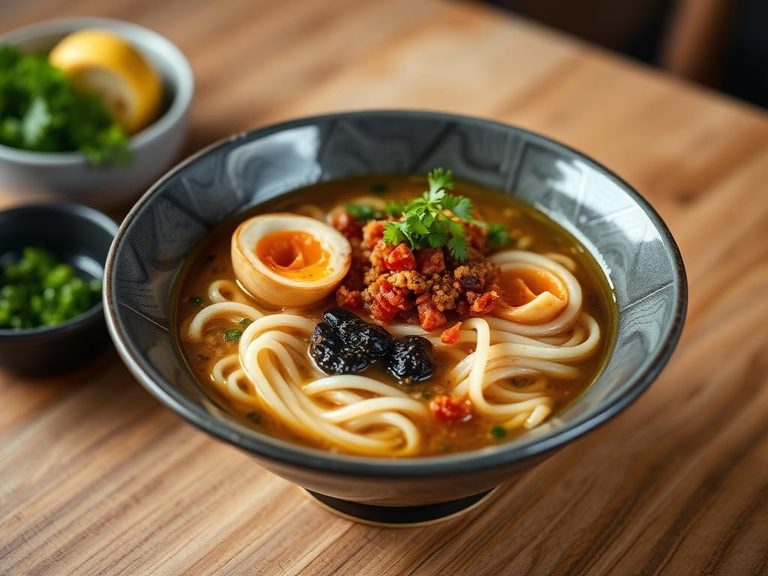
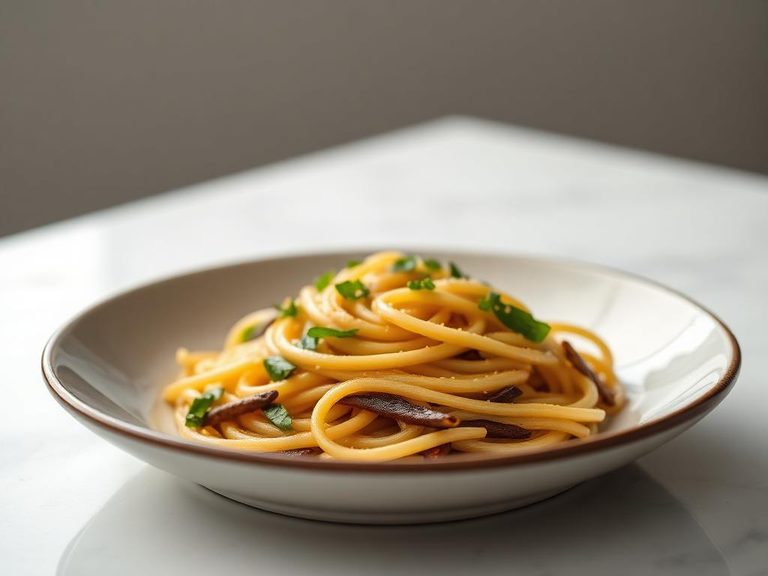
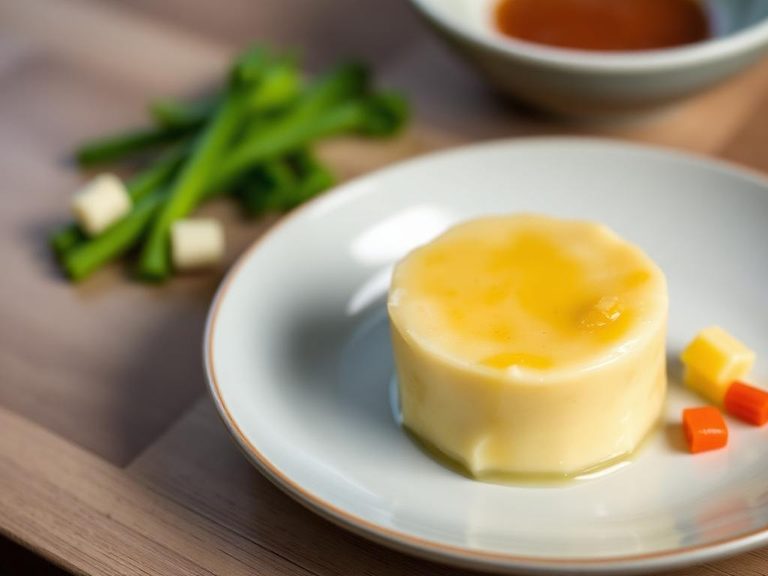
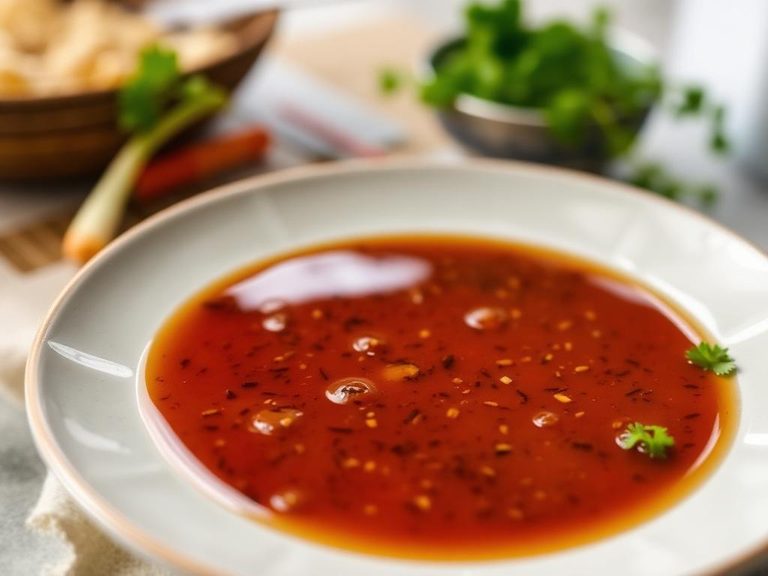
🍽️ Related dishes

AI estimate may be inaccurate · Terms