Millet-based injera
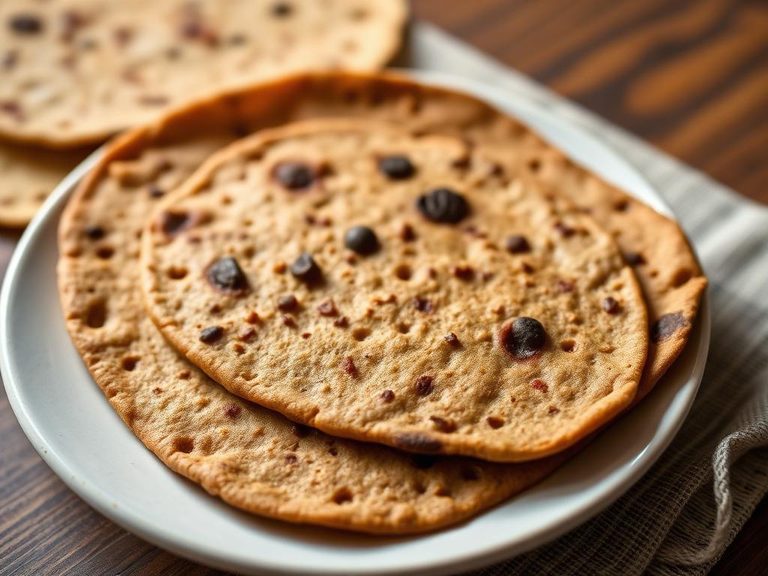
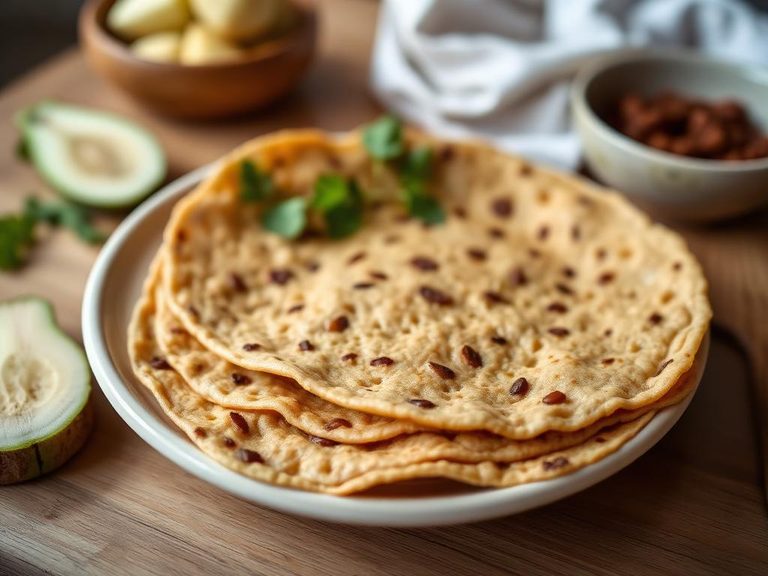
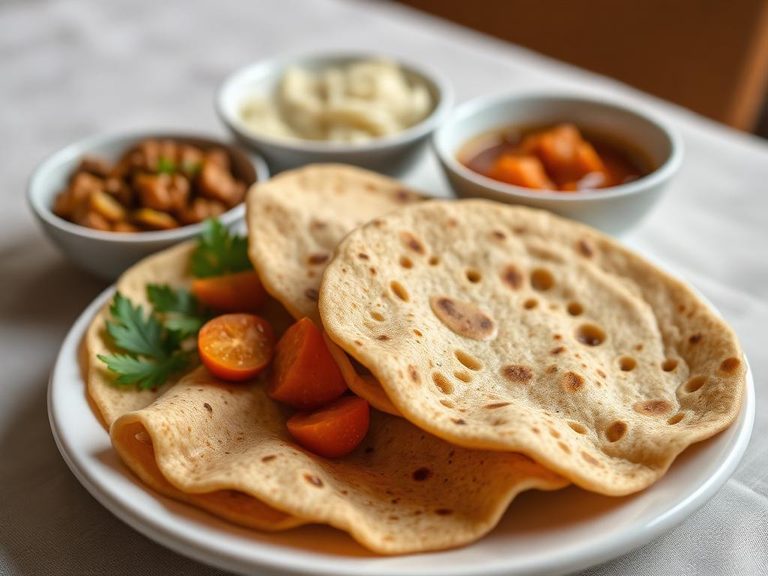
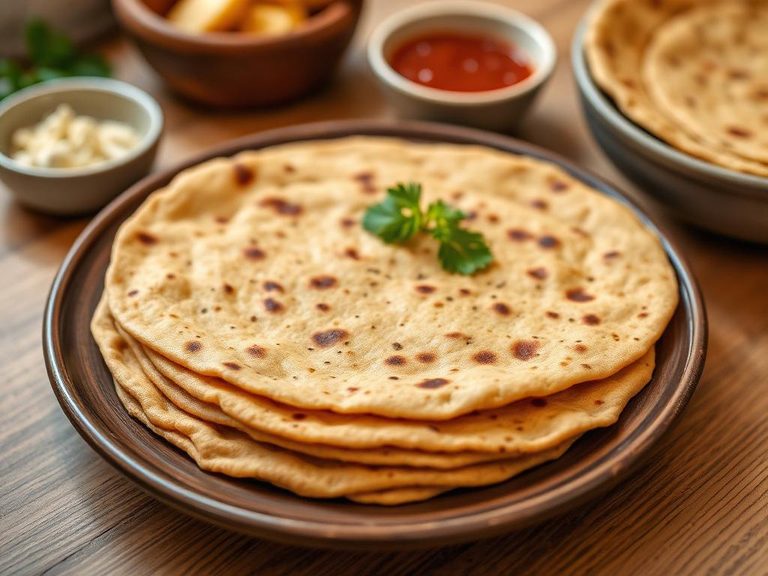
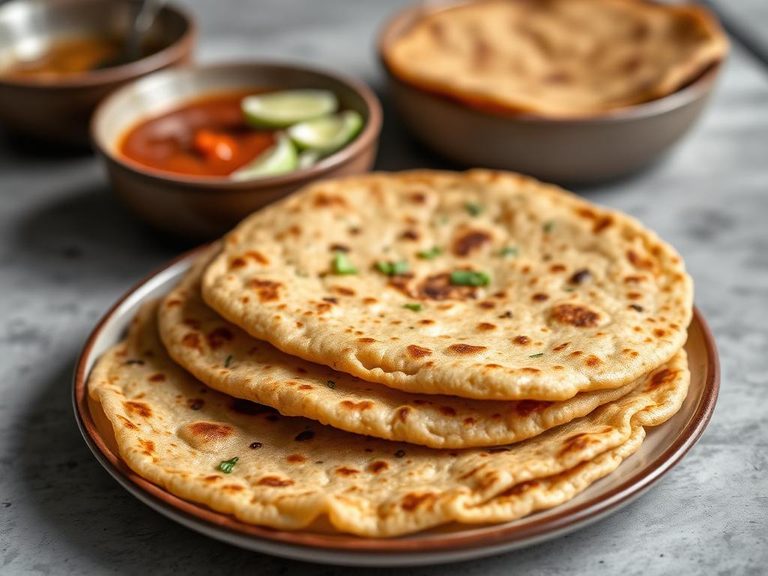
Millet-based injera is a variation of the traditional Ethiopian flatbread, primarily made from fermented millet flour instead of the more common teff. It is a spongy, tangy, and slightly sour bread that serves as both a plate and utensil for Ethiopian stews (wats) and salads. This gluten-free version is particularly popular in regions where millet is a staple crop.
🍽️ Nutrition at a glance
This flatbread is a carbohydrate-rich food, providing a good source of energy. It offers moderate protein and dietary fiber, along with essential minerals like iron and magnesium from the millet, with a typical serving containing around 200-250 calories.
Nutrition breakdown
| Calories | 230 kcal |
| Protein | 7 g |
| Carbs | 46 g |
| Fat | 2 g |
| Fiber | 5 g |
| Sugar | 2 g |
| Sodium | 380 mg |
| Iron | 3.5 mg |
| Magnesium | 80 mg |
| Phosphorus | 150 mg |
| Potassium | 200 mg |
| Zinc | 1.8 mg |
| Niacin (B3) | 3.2 mg |
| Thiamin (B1) | 0.3 mg |
| Folate | 25 mcg |
Per 1 large piece (approx. 200 g) · estimated, varies by recipe
💡 What's interesting
Culturally, injera is central to the Ethiopian tradition of communal eating, where food is shared from a single platter. Nutritionally, the fermentation process used to make it can enhance mineral bioavailability and introduce beneficial probiotics.