Traditional African injera
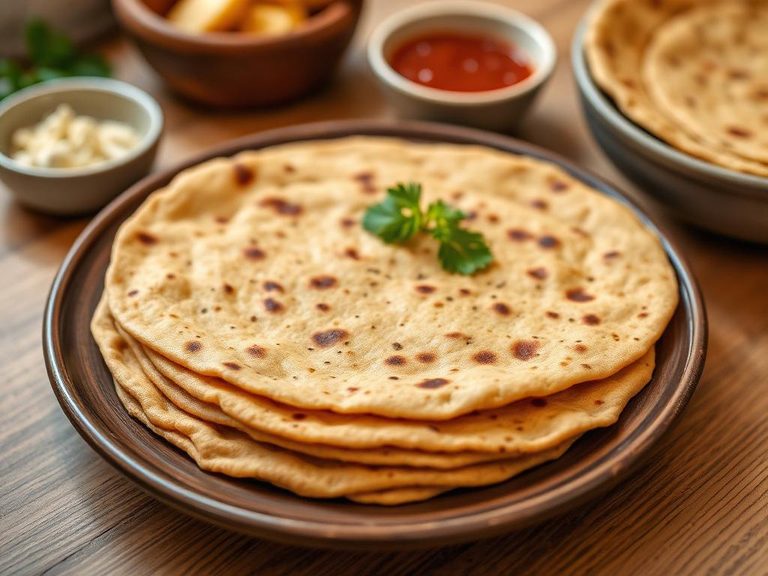
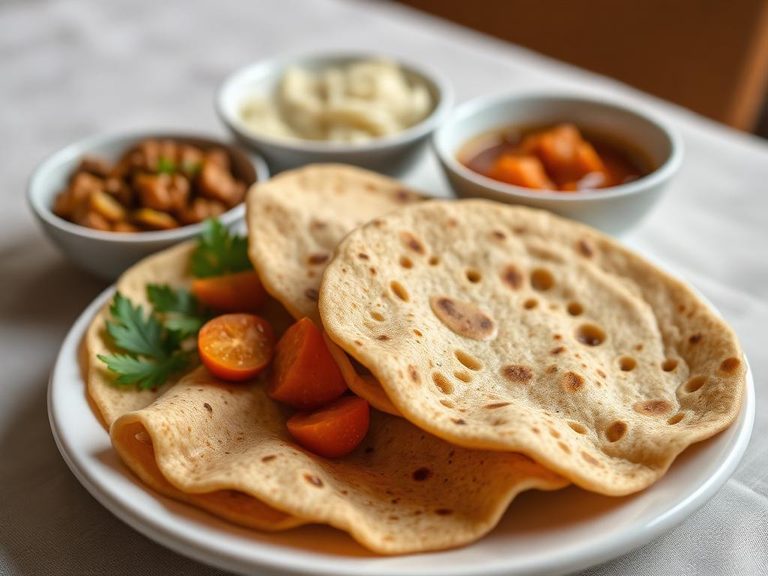
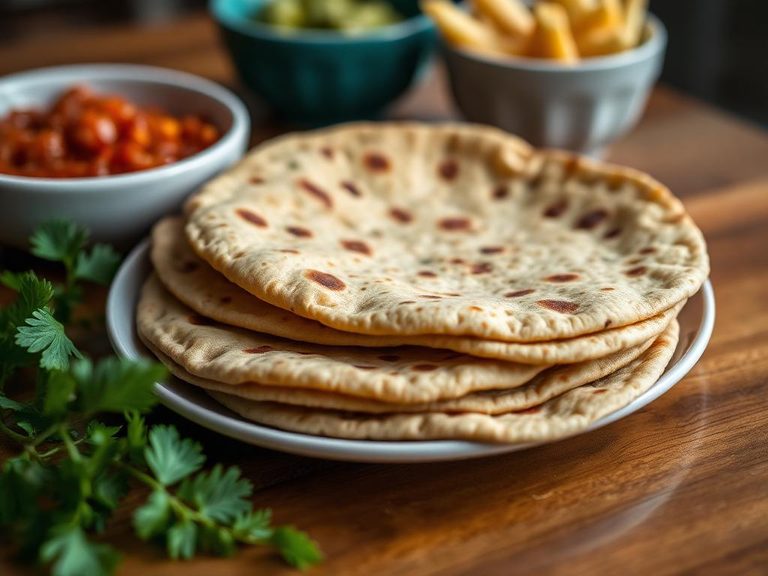
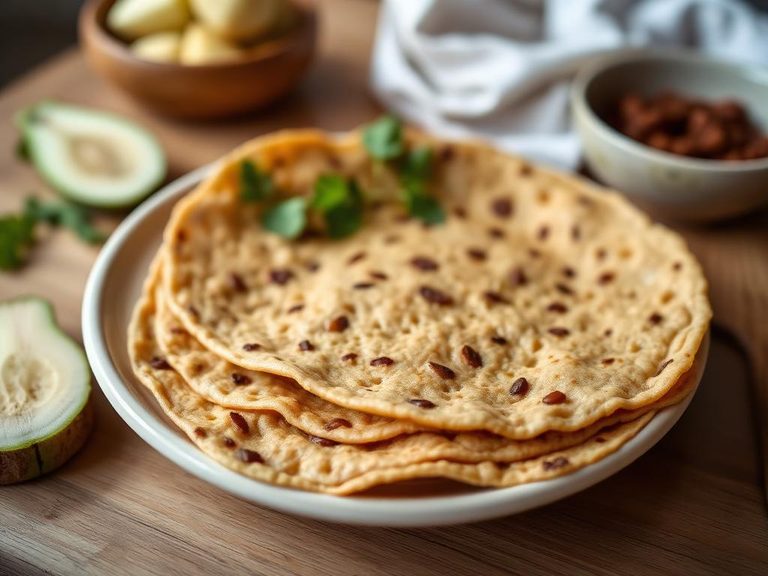
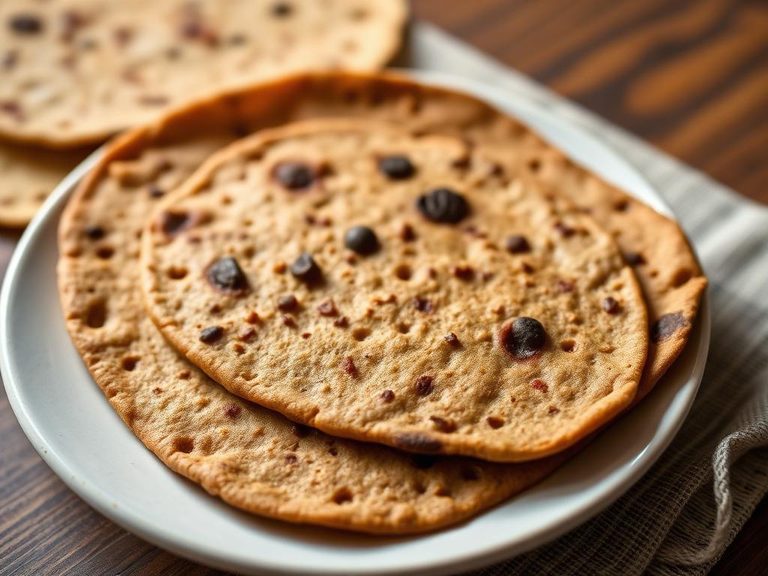
Injera is a spongy, sour, and slightly tangy flatbread that serves as both the plate and the primary utensil in Ethiopian and Eritrean cuisine. It is traditionally made from teff flour, a tiny, nutrient-dense grain native to the Ethiopian highlands, which is fermented with wild yeast to create its characteristic bubbly texture and sour flavor.
🍽️ Nutrition at a glance
Injera is a carbohydrate-rich food, providing a good source of complex carbs, dietary fiber, and essential minerals like iron and calcium. A typical large serving contains roughly 300-400 calories, making it a filling and energy-dense staple.
Nutrition breakdown
| Calories | 360 kcal |
| Protein | 10 g |
| Carbs | 72 g |
| Fat | 2 g |
| Fiber | 8 g |
| Sugar | 2 g |
| Sodium | 20 mg |
| Iron | 7.6 mg |
| Calcium | 180 mg |
| Potassium | 420 mg |
| Magnesium | 120 mg |
| Phosphorus | 280 mg |
| Zinc | 3.2 mg |
| Thiamin (B1) | 0.3 mg |
| Folate | 45 µg |
Per 1 large injera (about 33 cm diameter, 250 g) · estimated, varies by recipe
💡 What's interesting
Culturally, injera is central to the communal dining tradition of 'gursha,' where food is shared from a single platter, symbolizing unity and friendship. Nutritionally, teff is a gluten-free, ancient grain that is exceptionally high in iron, calcium, and resistant starch, which may support gut health.