

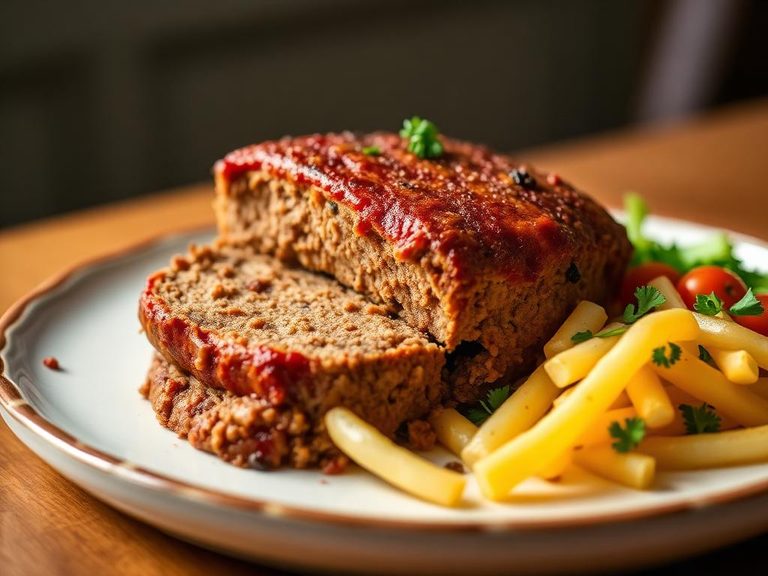
Meat extender in burgers or meatloaf
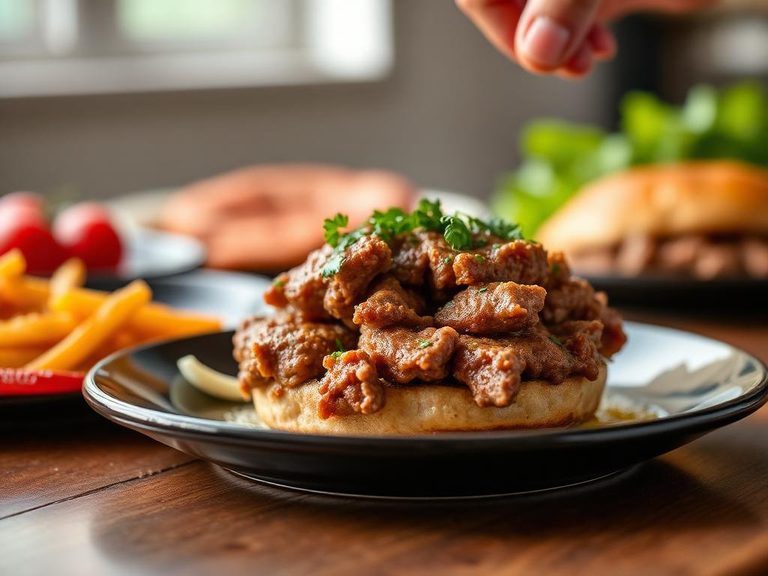
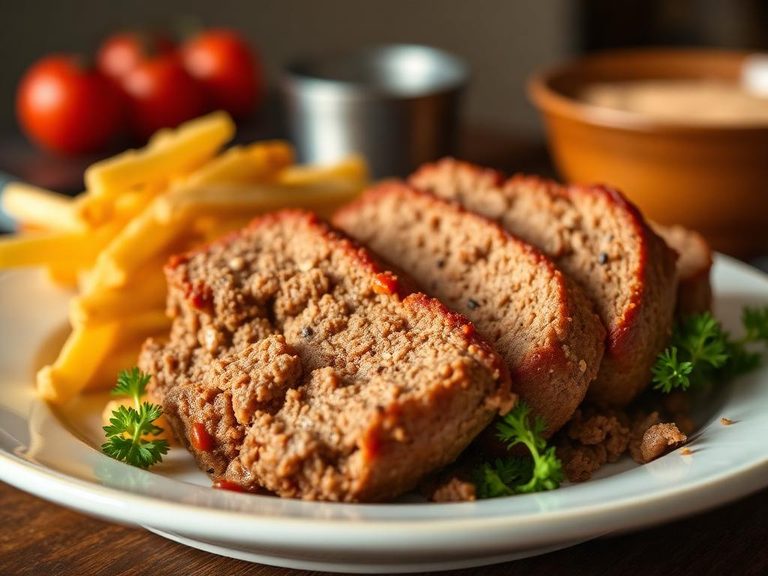
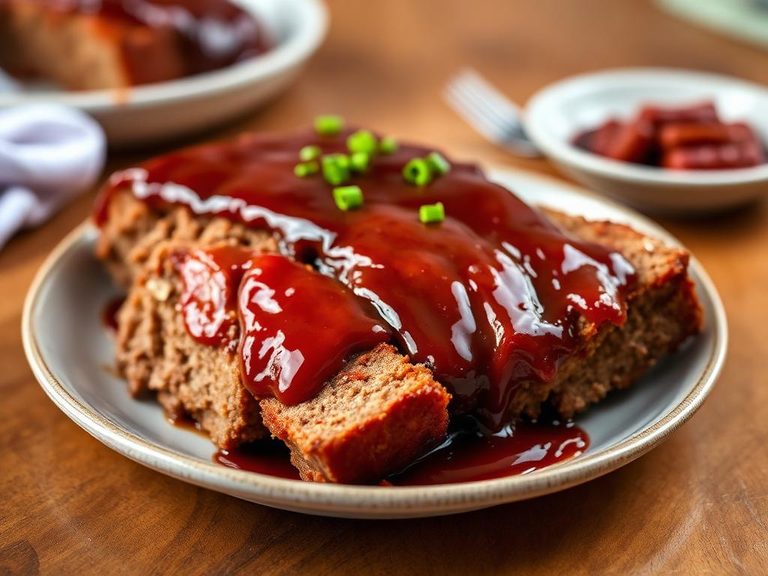
Meat extender refers to ingredients like textured vegetable protein (TVP), breadcrumbs, oats, or mushrooms added to ground meat dishes such as burgers or meatloaf to increase bulk, stretch the meat, and often improve moisture and texture. It's a widespread home-cooking and cost-saving technique, not a single specific dish, and is found in cuisines globally.
🍽️ Nutrition at a glance
The nutritional profile depends entirely on the extender used; plant-based extenders like TVP or oats add fiber and carbohydrates, while breadcrumbs primarily add carbs. A burger patty with a significant extender portion will be lower in fat and calories per ounce than pure meat, but may have a slightly lower protein density.
Nutrition breakdown
| Calories | 195 kcal |
| Protein | 16 g |
| Carbs | 5 g |
| Fat | 12 g |
| Fiber | 2 g |
| Sugar | 1 g |
| Sodium | 320 mg |
| Iron | 2.1 mg |
| Zinc | 3.5 mg |
| Potassium | 280 mg |
| Niacin (B3) | 4.2 mg |
| Vitamin B12 | 1.8 mcg |
| Phosphorus | 150 mg |
| Selenium | 12 mcg |
| Magnesium | 25 mg |
Per 1 typical burger patty (113 g, made with ~70% lean beef and 30% TVP extender) · estimated, varies by recipe
💡 What's interesting
Using extenders is a classic example of culinary 'stretching' that has been a staple of frugal home cooking for generations, especially during times of economic hardship. Nutritionally, it can be a simple way to reduce saturated fat intake and add dietary fiber to a traditionally low-fiber food.
🍽️ Related dishes
AI estimate may be inaccurate · Terms