

Mash ki Dal
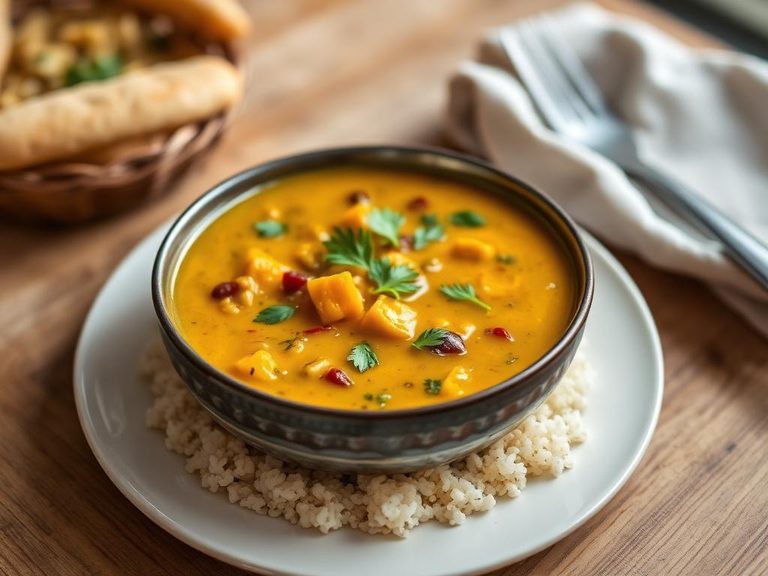
Mash ki Dal is a creamy, comforting lentil dish from the Indian subcontinent, made primarily from whole black gram (urad dal) that has been skinned and split. It is typically slow-cooked with onions, tomatoes, ginger, garlic, and a blend of aromatic spices, often finished with a tempering of ghee or oil. The dish is a staple in Punjabi and North Indian cuisine, known for its rich, velvety texture and hearty flavor.
🍽️ Nutrition at a glance
Mash ki Dal is a high-protein, moderate-carbohydrate dish, making it a nutritious and filling vegetarian option. It is an excellent source of plant-based protein, dietary fiber, and essential minerals like iron and potassium, with a typical serving containing roughly 300-350 calories.
Nutrition breakdown
| Calories | 320 kcal |
| Protein | 18 g |
| Carbs | 45 g |
| Fat | 8 g |
| Fiber | 15 g |
| Sugar | 4 g |
| Sodium | 580 mg |
| Potassium | 650 mg |
| Iron | 4.5 mg |
| Magnesium | 95 mg |
| Folate | 180 µg |
| Phosphorus | 280 mg |
| Zinc | 2.5 mg |
| Thiamin (B1) | 0.4 mg |
| Vitamin B6 | 0.3 mg |
Per 1 cup (240 g) · estimated, varies by recipe
💡 What's interesting
Culturally, Mash ki Dal is often associated with festive or special meals in North India, and its preparation is considered a test of a cook's patience due to the long, slow simmering required to achieve its signature creaminess. Nutritionally, the combination of lentils and spices like turmeric and asafoetida is believed to aid digestion and reduce bloating.
🍽️ Related dishes


AI estimate may be inaccurate · Terms