

Marinade or Glaze

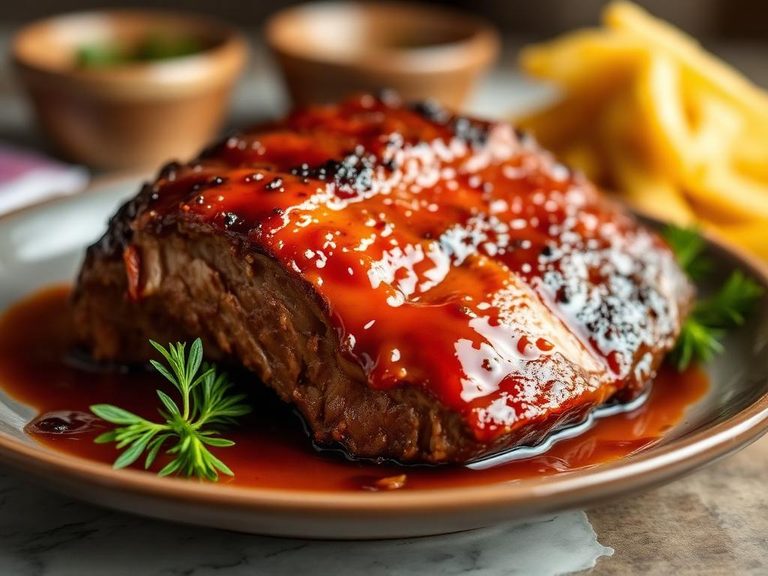
A marinade or glaze is a flavorful liquid mixture used to enhance, tenderize, and season foods, most commonly meats, poultry, and fish before or during cooking. Typical ingredients include an acidic component (like vinegar, citrus juice, or yogurt), an oil, aromatics (such as garlic, ginger, or herbs), and a sweetener (like honey, sugar, or fruit juice). While used globally, the concept is foundational in cuisines from East Asian teriyaki to American barbecue.
🍽️ Nutrition at a glance
Nutritionally, a marinade or glaze is primarily a flavor and moisture enhancer rather than a significant source of macronutrients. Its nutritional profile varies widely, but it can add sodium, sugar, and small amounts of fat from oils, while contributing minimal calories and protein to the overall dish.
Nutrition breakdown
| Calories | 45 kcal |
| Protein | 0.5 g |
| Carbs | 8 g |
| Fat | 1.5 g |
| Fiber | 0.2 g |
| Sugar | 6 g |
| Sodium | 320 mg |
| Sodium | 320 mg |
| Potassium | 45 mg |
| Vitamin C | 2 mg |
| Iron | 0.3 mg |
| Calcium | 10 mg |
| Magnesium | 5 mg |
| Manganese | 0.1 mg |
| Vitamin B6 | 0.02 mg |
Per 2 tablespoons (30 g) · estimated, varies by recipe
💡 What's interesting
Culturally, marinades are a universal culinary technique, but the specific flavor profiles—like the soy-based tare in Japan or the vinegar-based mop sauces in the American South—tell a story of local ingredients and history. Nutritionally, acidic marinades can help tenderize meat, and some ingredients like garlic or ginger contain beneficial compounds.
🍽️ Related dishes






AI estimate may be inaccurate · Terms