

Mackerel Katsu
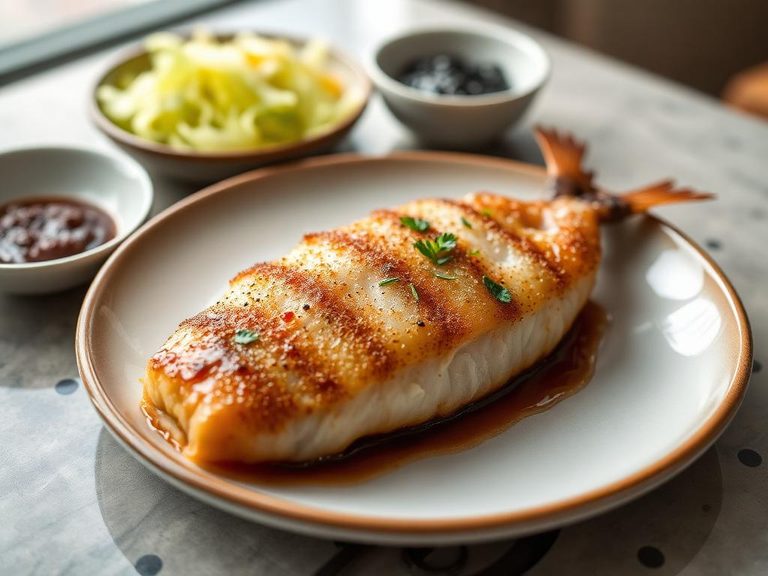
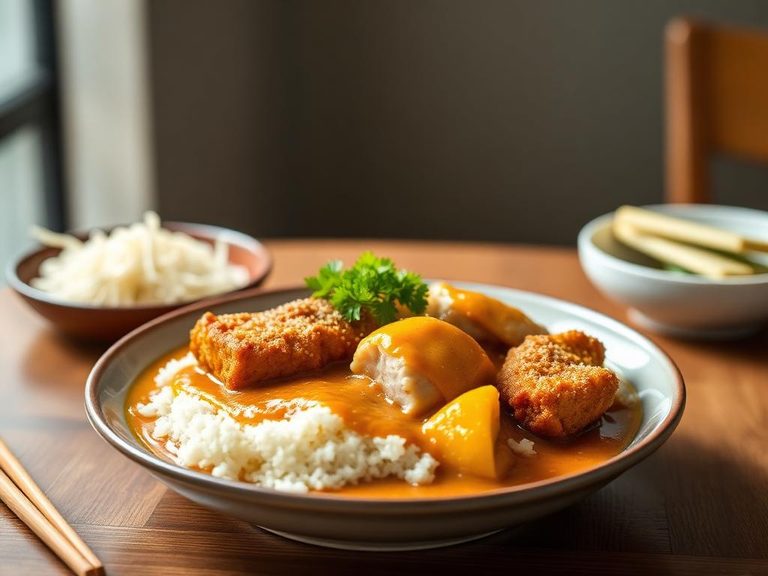
Mackerel Katsu is a Japanese-style dish featuring a breaded and deep-fried mackerel fillet. The fish is typically coated in flour, dipped in egg, and covered in panko breadcrumbs before being fried to a golden crisp. It is a popular variation of the classic tonkatsu (pork cutlet) and is often served with shredded cabbage, rice, and a tangy katsu sauce.
🍽️ Nutrition at a glance
This dish is high in protein and healthy fats, particularly omega-3 fatty acids from the mackerel. A typical serving provides a good source of vitamin D, vitamin B12, and selenium, with a calorie count that can range from 400 to 600 kcal depending on the size of the fillet and amount of oil absorbed.
Nutrition breakdown
| Calories | 480 kcal |
| Protein | 28 g |
| Carbs | 22 g |
| Fat | 30 g |
| Fiber | 1 g |
| Sugar | 2 g |
| Sodium | 550 mg |
| Vitamin D | 15 mcg |
| Vitamin B12 | 18 mcg |
| Selenium | 60 mcg |
| Phosphorus | 300 mg |
| Niacin (B3) | 8 mg |
| Omega-3 (EPA+DHA) | 1.5 g |
| Potassium | 350 mg |
| Iron | 2 mg |
Per 1 fillet (180 g), cooked · estimated, varies by recipe
💡 What's interesting
Culturally, it showcases the Japanese technique of 'yoshoku'—Western-influenced dishes adapted to local tastes. Nutritionally, the fatty mackerel provides a potent dose of anti-inflammatory omega-3s, making it a more nutrient-dense alternative to leaner fish katsu options.
🍽️ Related dishes


AI estimate may be inaccurate · Terms