

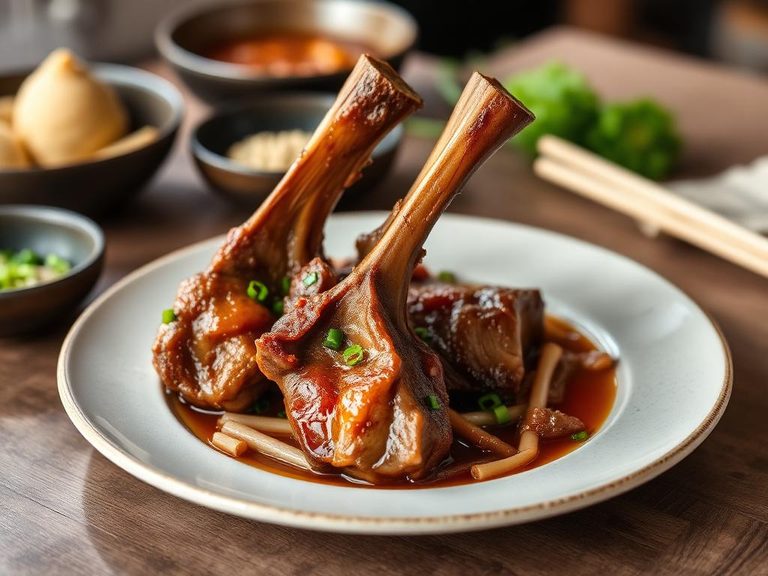
Lamb Shank
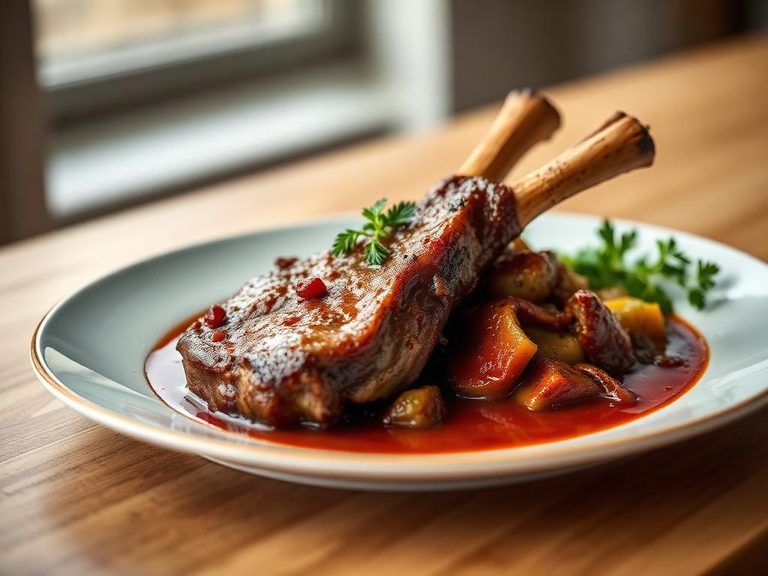
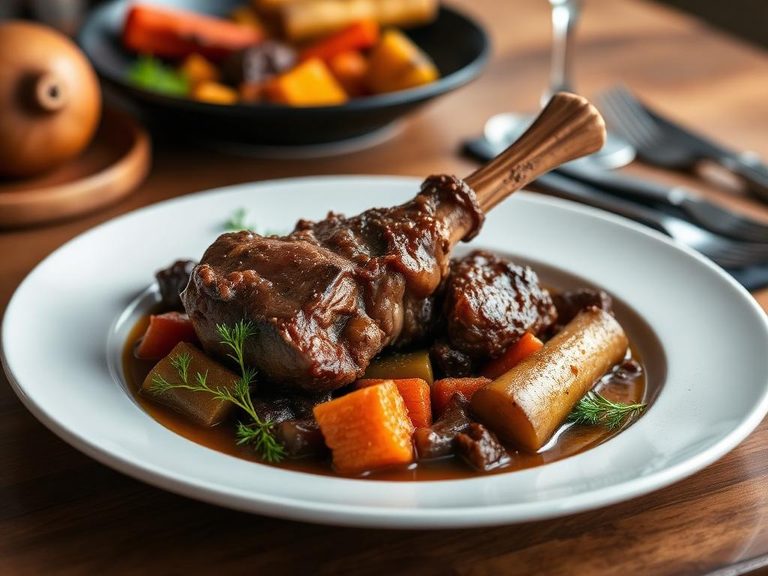
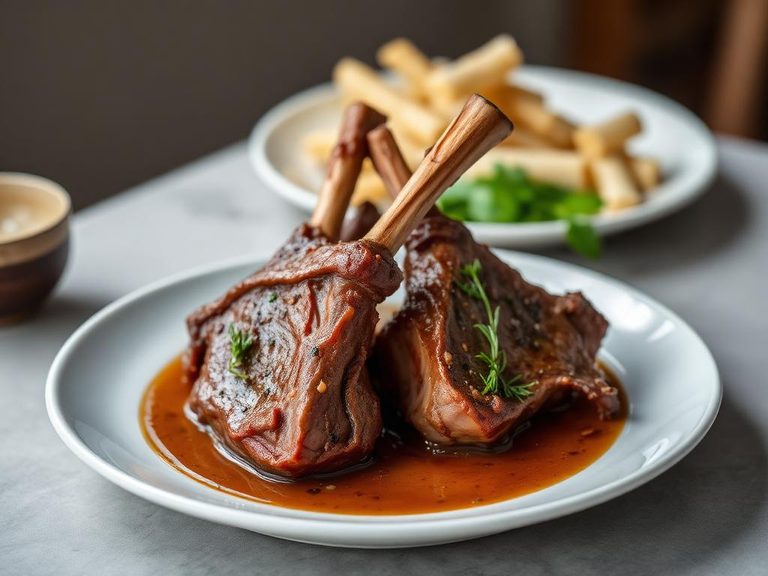
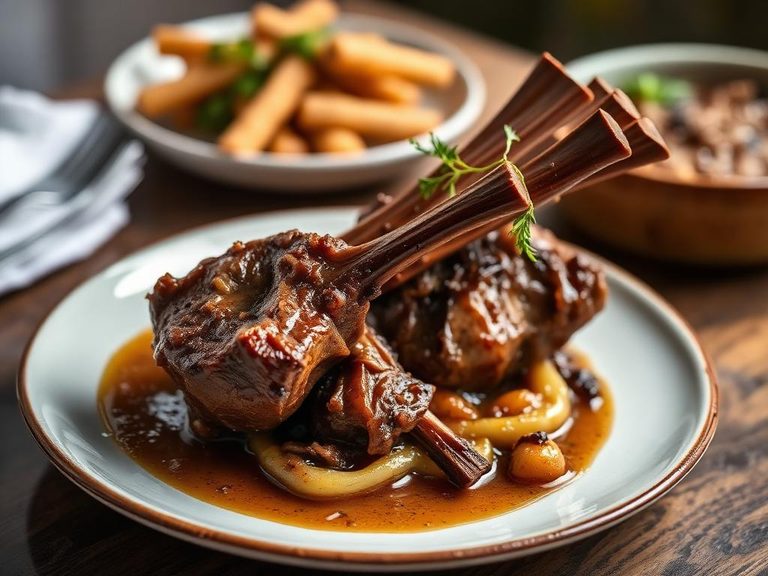
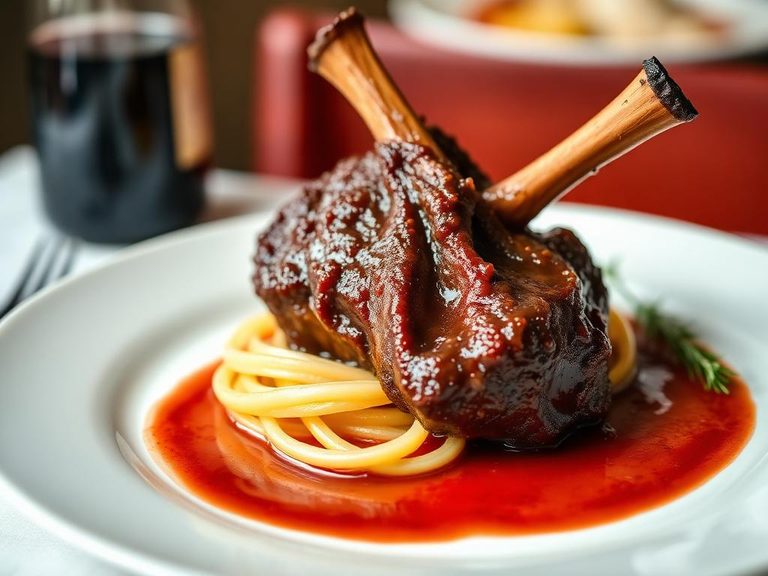
Lamb Shank is a classic, hearty dish featuring the lower portion of a lamb's leg, typically braised or slow-cooked until the meat is fall-off-the-bone tender. It is often prepared with aromatic vegetables like onions, carrots, and celery, along with herbs such as rosemary and thyme, and sometimes red wine or broth. This dish is a staple in many cuisines, including Mediterranean, Middle Eastern, and European traditions.
🍽️ Nutrition at a glance
Lamb Shank is a high-protein dish with a significant amount of healthy fats, particularly from the marrow and connective tissues that break down during cooking. It is low in carbohydrates and provides essential nutrients like iron, zinc, and B vitamins, with a rough calorie estimate of 400-600 per serving depending on preparation.
Nutrition breakdown
| Calories | 480 kcal |
| Protein | 45 g |
| Carbs | 0 g |
| Fat | 34 g |
| Fiber | 0 g |
| Sugar | 0 g |
| Sodium | 120 mg |
| Potassium | 420 mg |
| Phosphorus | 310 mg |
| Zinc | 8.5 mg |
| Iron | 4.2 mg |
| Niacin (B3) | 12 mg |
| Vitamin B12 | 3.8 mcg |
| Selenium | 42 mcg |
| Vitamin B6 | 0.6 mg |
Per 1 shank (300 g, cooked, bone-in meat only) · estimated, varies by recipe
💡 What's interesting
Culturally, Lamb Shank is often associated with celebratory or comforting meals, symbolizing warmth and hospitality in many regions. Nutritionally, the slow-cooking process helps convert collagen into gelatin, which supports joint health and adds a rich, silky texture to the dish.
🍽️ Related dishes
AI estimate may be inaccurate · Terms