Japanese Tamagoyaki with Nori
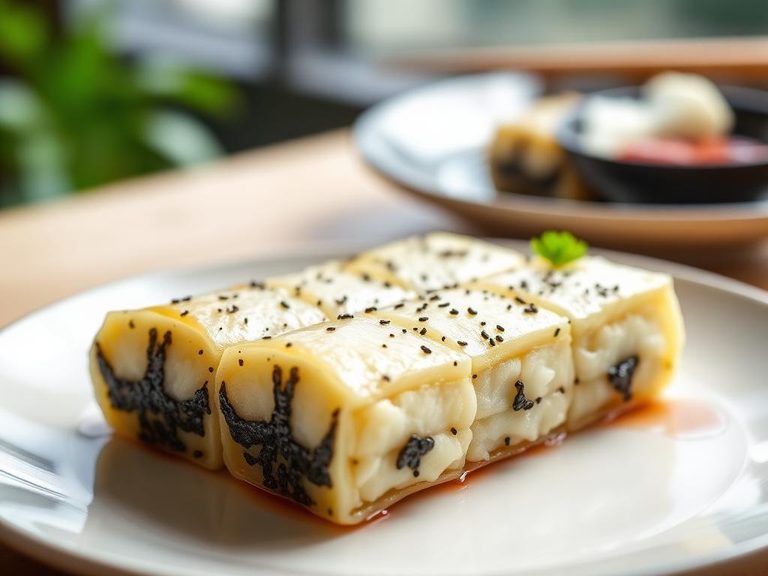
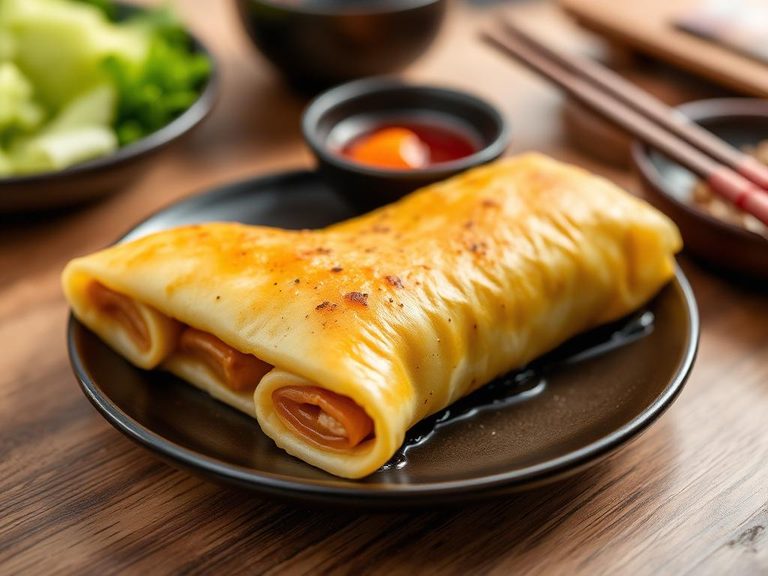
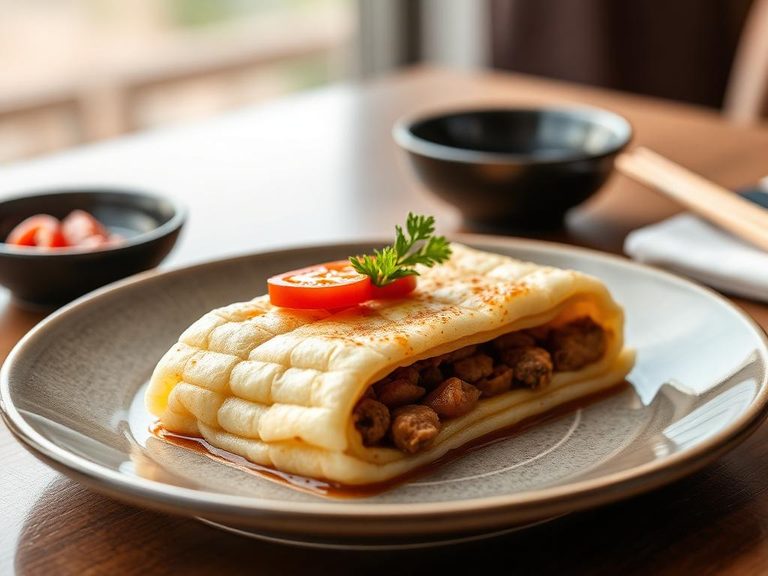
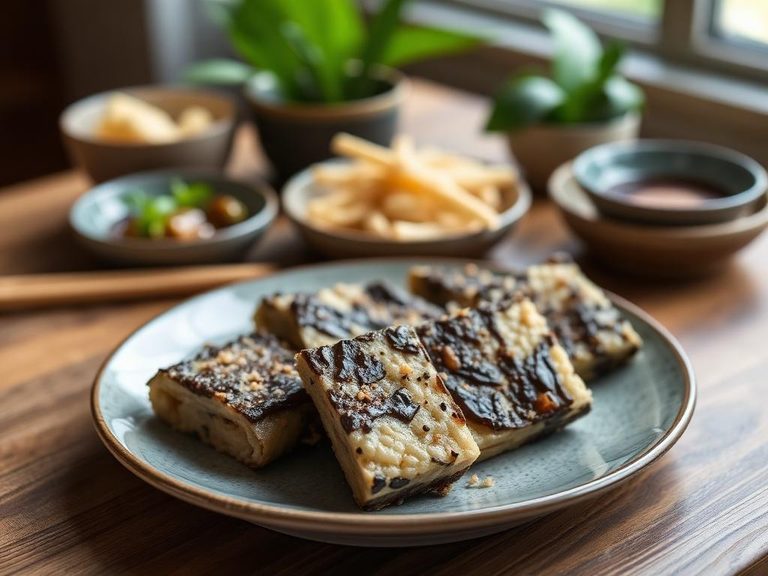
Japanese Tamagoyaki with Nori is a savory rolled omelette, often served as a side dish or in bento boxes, made by layering thin sheets of egg seasoned with dashi, soy sauce, and sugar, then wrapped in a crisp sheet of nori seaweed. It originated in Japan and is a staple of both home cooking and traditional Japanese cuisine.
🍽️ Nutrition at a glance
Tamagoyaki is high in protein from the eggs, with a moderate amount of fat and minimal carbs, providing key nutrients like vitamin B12, choline, and iodine from the nori. A typical serving of one roll (about 100g) contains roughly 150-200 calories.
Nutrition breakdown
| Calories | 210 kcal |
| Protein | 13 g |
| Carbs | 8 g |
| Fat | 14 g |
| Fiber | 1 g |
| Sugar | 4 g |
| Sodium | 420 mg |
| Vitamin A | 180 mcg RAE |
| Vitamin B12 | 1.1 mcg |
| Vitamin D | 2.0 mcg |
| Riboflavin (B2) | 0.3 mg |
| Selenium | 22 mcg |
| Phosphorus | 190 mg |
| Iron | 1.8 mg |
| Iodine | 45 mcg |
Per 1 roll (approx. 120 g) · estimated, varies by recipe
💡 What's interesting
Culturally, tamagoyaki is a symbol of care and skill in Japanese cooking, often shaped into a neat rectangle using a special pan, while the addition of nori not only adds a subtle oceanic flavor but also boosts its nutritional profile with minerals like iron and calcium.