

Japanese kakigori
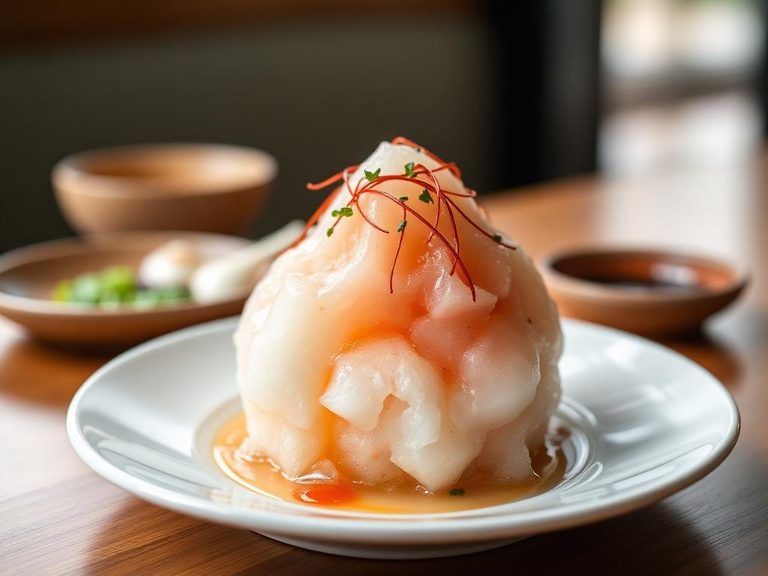
Kakigori is a beloved Japanese shaved ice dessert, traditionally made by hand-shaving a block of ice into a fluffy, snow-like mound and drenching it in sweet, flavored syrup. Popular toppings include condensed milk, fresh fruit, mochi, or red bean paste, making it a refreshing and customizable summer treat. Originating in Japan, it has been enjoyed for centuries, with historical records dating back to the Heian period.
🍽️ Nutrition at a glance
Kakigori is primarily a high-carb, sugary treat, with most of its calories coming from the syrups and toppings. It provides minimal protein and fat, but can offer small amounts of vitamins and minerals if fresh fruit toppings are used.
Nutrition breakdown
| Calories | 180 kcal |
| Protein | 1.5 g |
| Carbs | 42 g |
| Fat | 0.5 g |
| Fiber | 0.5 g |
| Sugar | 38 g |
| Sodium | 15 mg |
| Potassium | 80 mg |
| Vitamin C | 10 mg |
| Calcium | 25 mg |
| Iron | 0.3 mg |
| Magnesium | 5 mg |
| Phosphorus | 10 mg |
| Zinc | 0.1 mg |
| Manganese | 0.05 mg |
Per 1 bowl (300 g) · estimated, varies by recipe
💡 What's interesting
Culturally, kakigori is a symbol of Japanese summer, with dedicated shops and festivals celebrating its delicate, melt-in-your-mouth texture. Nutritionally, its light, airy structure makes it a lower-calorie alternative to denser ice creams, though the sugar content can be substantial.
🍽️ Related dishes
AI estimate may be inaccurate · Terms