Italian Stinco di Maiale
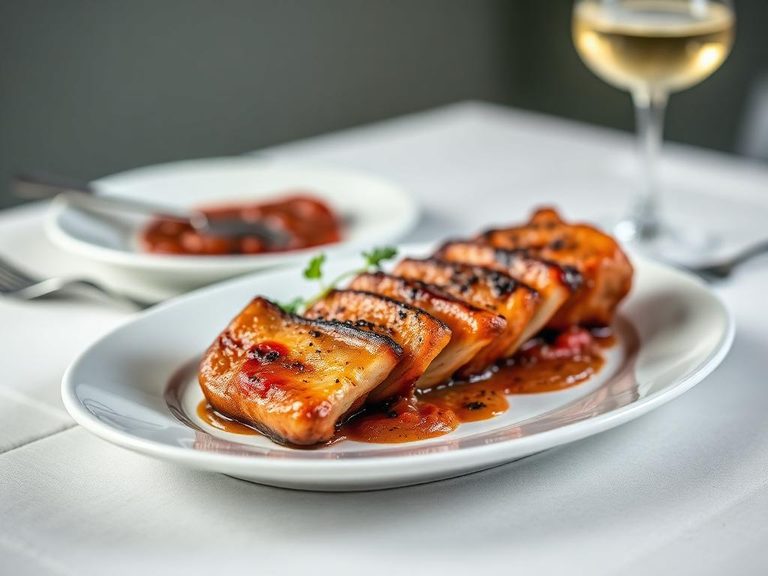
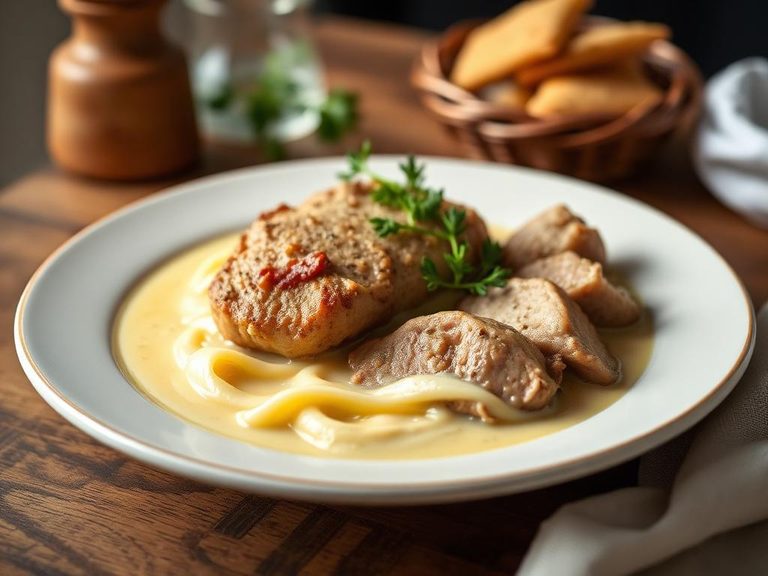
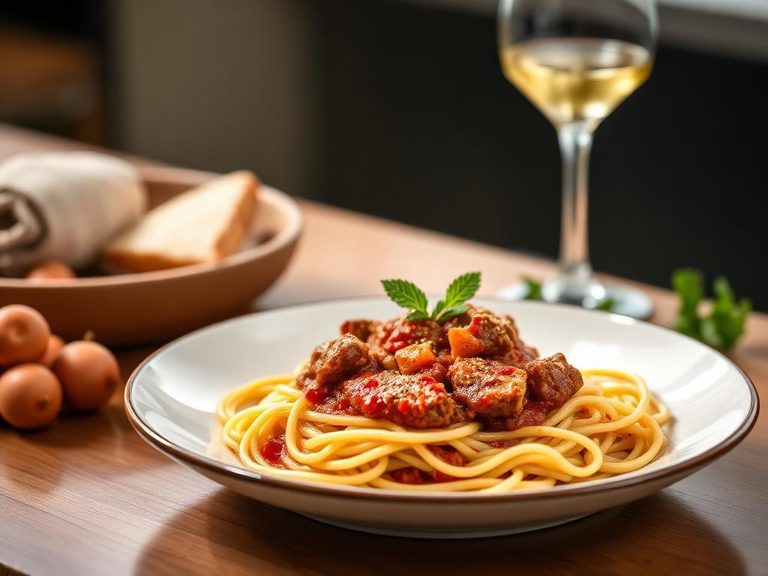
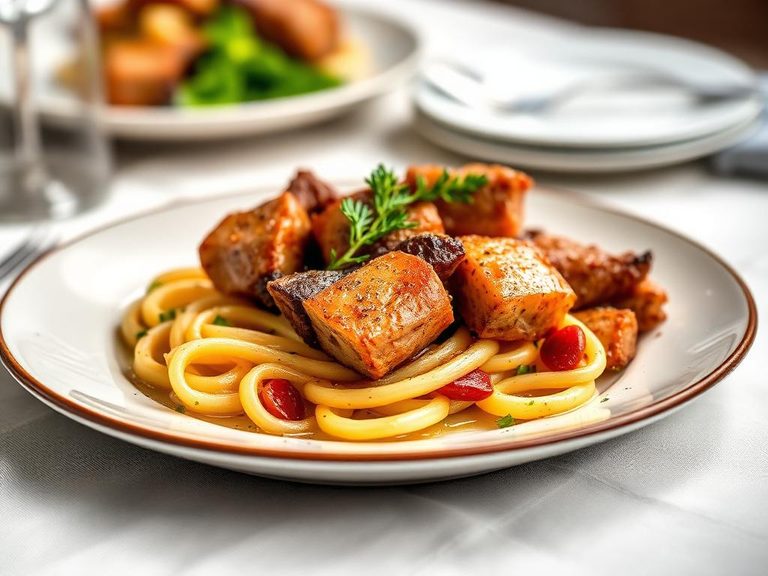
Stinco di Maiale is a classic Northern Italian dish featuring a slow-braised pork shank, typically cooked in a rich broth with white wine, aromatic vegetables like carrots and celery, and herbs such as rosemary and bay leaf. The long, gentle cooking process transforms the tough cut into exceptionally tender, fall-off-the-bone meat with a deeply savory flavor. It is a hearty specialty particularly associated with the Alpine regions of Lombardy, Trentino-Alto Adige, and Veneto.
🍽️ Nutrition at a glance
This dish is a high-protein, high-fat meal with minimal carbohydrates, providing a substantial amount of energy. It is an excellent source of B vitamins (especially B12 and niacin), zinc, and selenium, with a typical serving containing roughly 450-600 calories.
Nutrition breakdown
| Calories | 520 kcal |
| Protein | 42 g |
| Carbs | 4 g |
| Fat | 36 g |
| Fiber | 1 g |
| Sugar | 2 g |
| Sodium | 680 mg |
| Vitamin B12 | 3.2 µg |
| Niacin (B3) | 12 mg |
| Zinc | 6.5 mg |
| Selenium | 45 µg |
| Phosphorus | 310 mg |
| Potassium | 480 mg |
| Iron | 2.1 mg |
| Thiamine (B1) | 0.9 mg |
Per 1 serving (approx. 300 g, including meat and some braising liquid) · estimated, varies by recipe
💡 What's interesting
Culturally, Stinco di Maiale is a quintessential example of Italian 'cucina povera' (peasant cooking), transforming a humble, economical cut into a celebratory feast through patience and skill. Nutritionally, the slow braising process helps break down collagen into gelatin, which is beneficial for joint and gut health.