

Indian Rotla or Bajra Roti
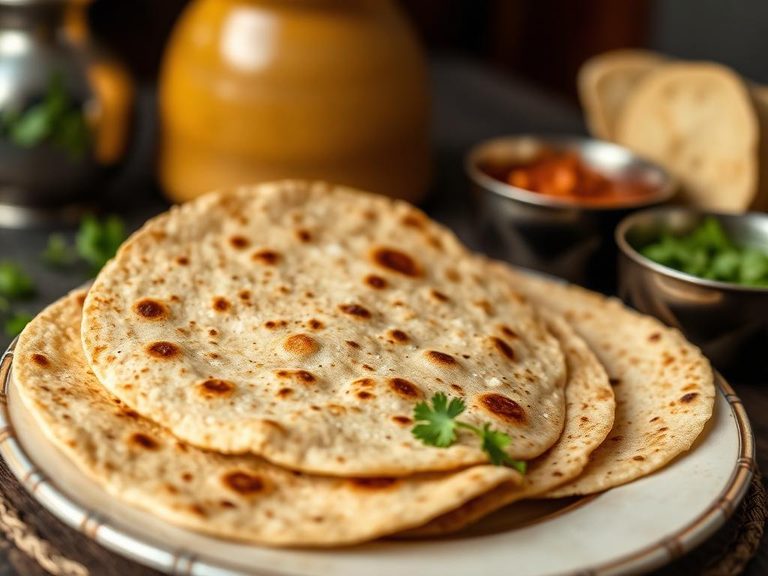
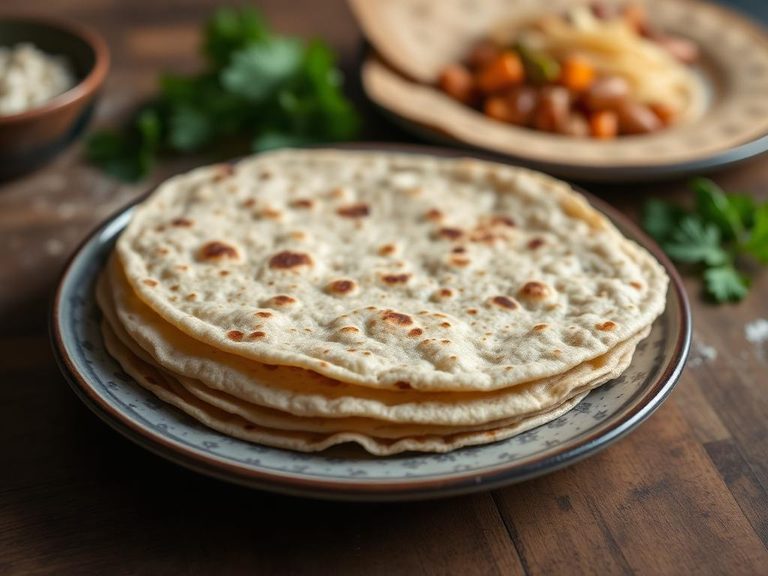
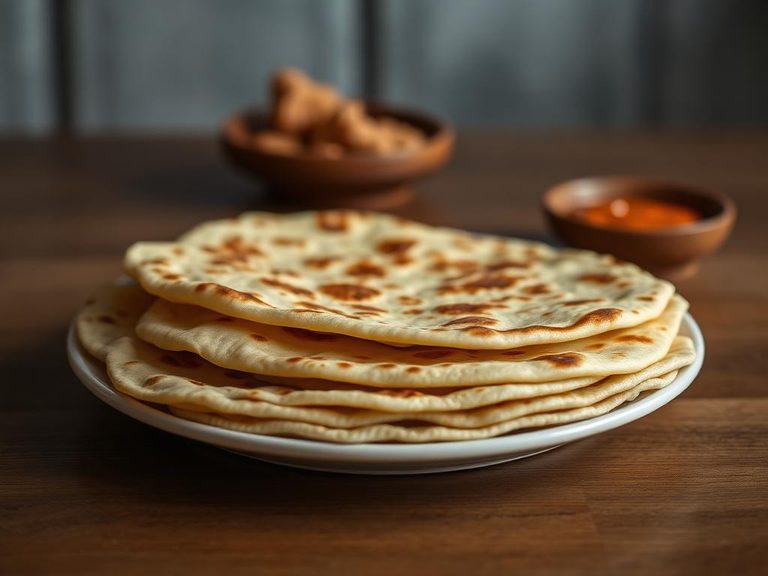
Indian Rotla, also known as Bajra Roti, is a traditional unleavened flatbread made primarily from pearl millet (bajra) flour. It is a staple food, particularly in the arid regions of Gujarat and Rajasthan, where it is often cooked over an open flame or on a clay griddle. The dough typically consists of bajra flour, water, and salt, sometimes enriched with ghee or buttermilk.
🍽️ Nutrition at a glance
This flatbread is a good source of complex carbohydrates and dietary fiber, providing sustained energy. A single rotla offers a moderate amount of protein and is notably rich in minerals like iron and magnesium, with a calorie count generally in the range of 120-150 kcal.
Nutrition breakdown
| Calories | 130 kcal |
| Protein | 3.5 g |
| Carbs | 25 g |
| Fat | 1.5 g |
| Fiber | 3 g |
| Sugar | 0.5 g |
| Sodium | 180 mg |
| Iron | 2.1 mg |
| Magnesium | 40 mg |
| Phosphorus | 85 mg |
| Potassium | 100 mg |
| Zinc | 0.8 mg |
| Niacin (B3) | 1.5 mg |
| Folate | 15 µg |
| Manganese | 0.4 mg |
Per 1 rotla (approx. 50 g) · estimated, varies by recipe
💡 What's interesting
Culturally, Bajra Roti is deeply tied to rural and pastoral communities in western India, valued for its ability to provide nutrition in harsh, dry climates. Nutritionally, pearl millet is a gluten-free grain with a low glycemic index, making it a healthier alternative to wheat for blood sugar management.
🍽️ Related dishes

AI estimate may be inaccurate · Terms