

Homemade salad dressings
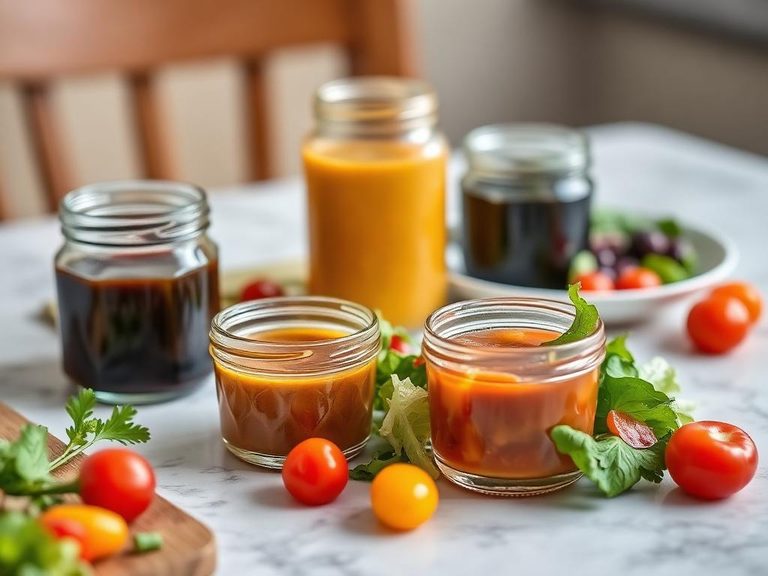
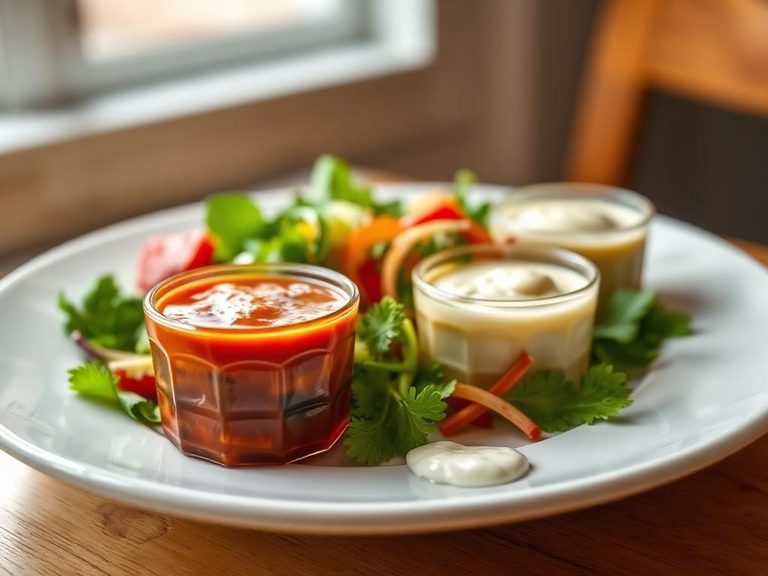
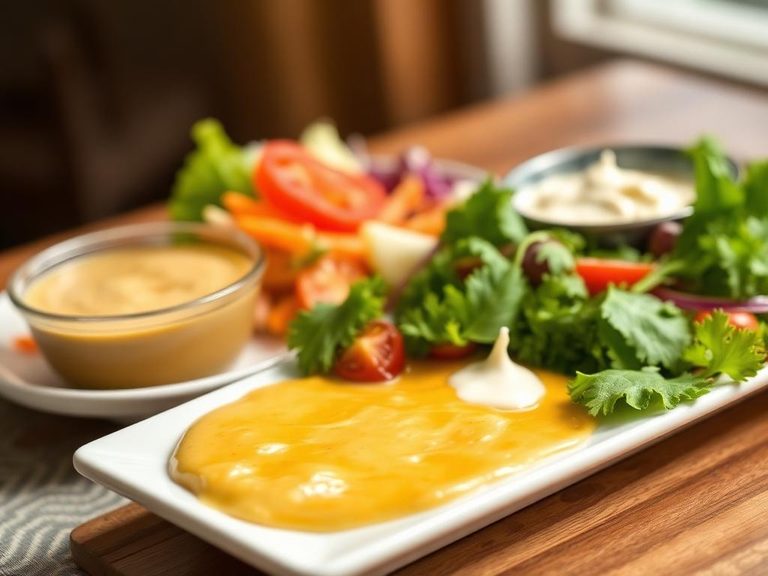
Homemade salad dressings are customizable sauces used to flavor and moisten salads, typically made from a base of oil and an acid like vinegar or citrus juice. They often include herbs, spices, mustard, garlic, or sweeteners, and originate from various culinary traditions worldwide.
🍽️ Nutrition at a glance
These dressings are generally high in fat due to the oil base, but can be low in carbohydrates and protein depending on the recipe. A typical serving provides healthy unsaturated fats, vitamin E from oils, and various antioxidants from herbs and spices.
Nutrition breakdown
| Calories | 90 kcal |
| Protein | 0.1 g |
| Carbs | 0.5 g |
| Fat | 10 g |
| Fiber | 0.1 g |
| Sugar | 0.3 g |
| Sodium | 120 mg |
| Vitamin E | 1.5 mg |
| Vitamin K | 8 µg |
| Potassium | 15 mg |
| Magnesium | 2 mg |
| Phosphorus | 5 mg |
| Manganese | 0.1 mg |
| Iron | 0.2 mg |
| Copper | 0.02 mg |
Per 2 tablespoons (30 g) · estimated, varies by recipe
💡 What's interesting
Culturally, they represent a simple way to elevate fresh ingredients, with variations like Italian vinaigrette, French mustard-based dressings, or Asian sesame-ginger blends. Nutritionally, using quality oils and fresh ingredients allows for better control over sodium and additives compared to store-bought versions.
🍽️ Related dishes
AI estimate may be inaccurate · Terms