Hearty winter soups and stews
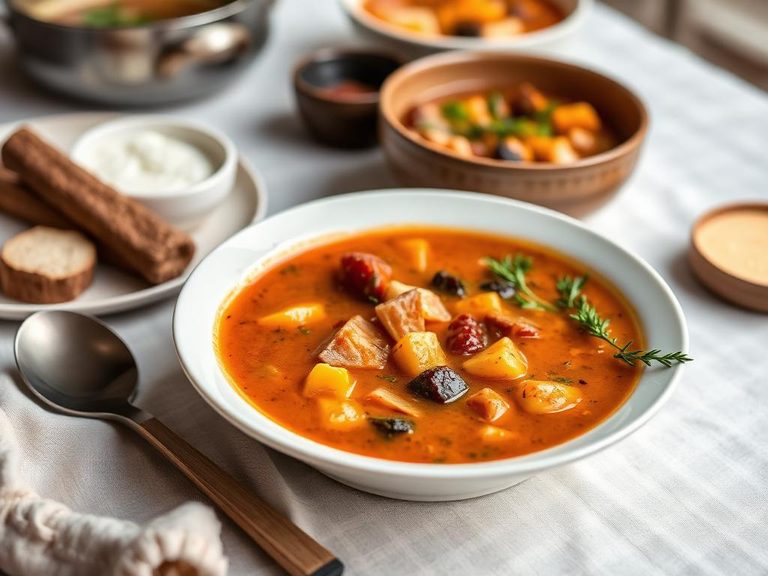
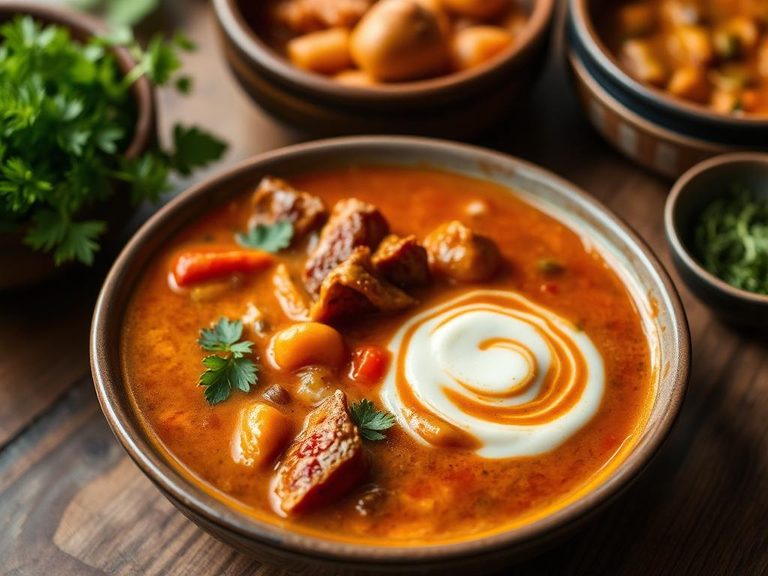
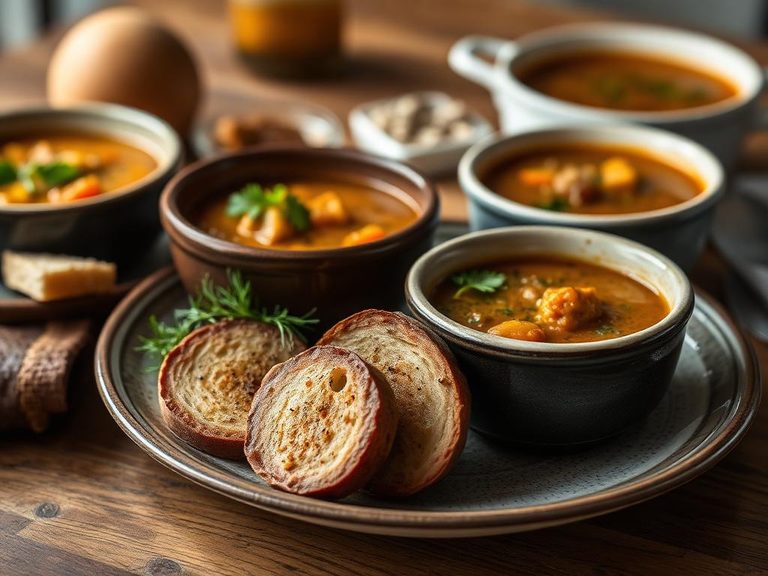
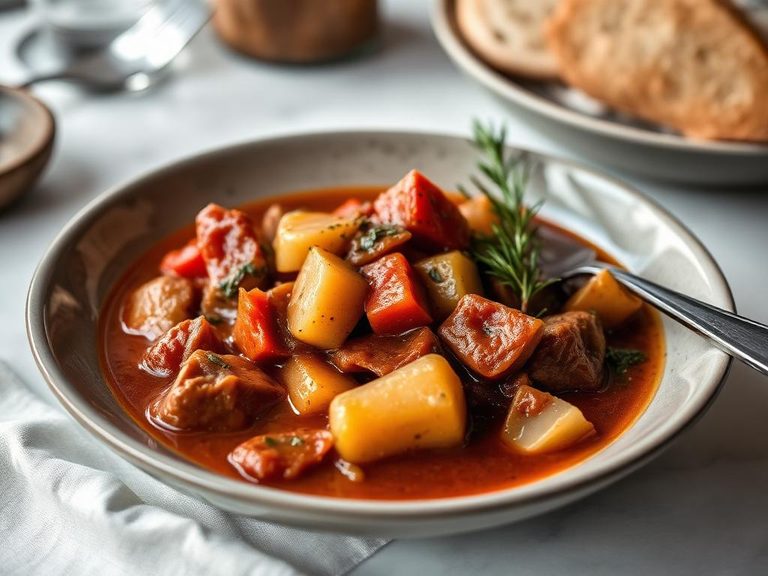
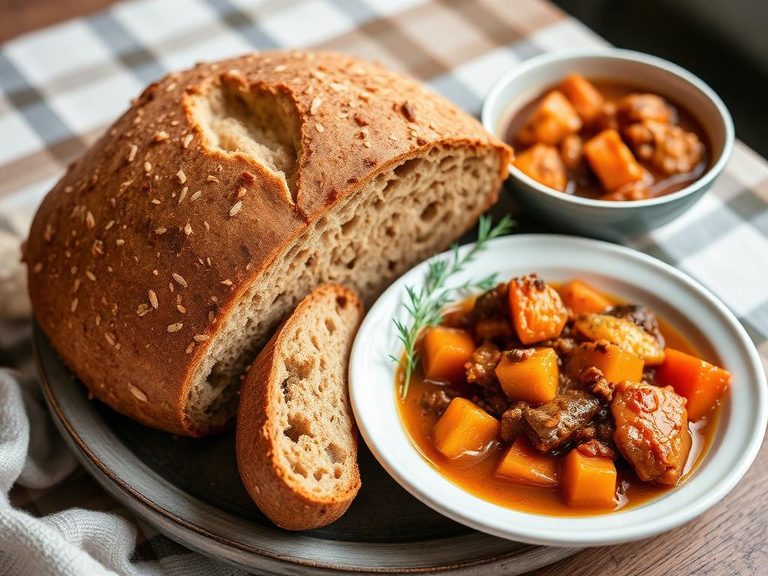
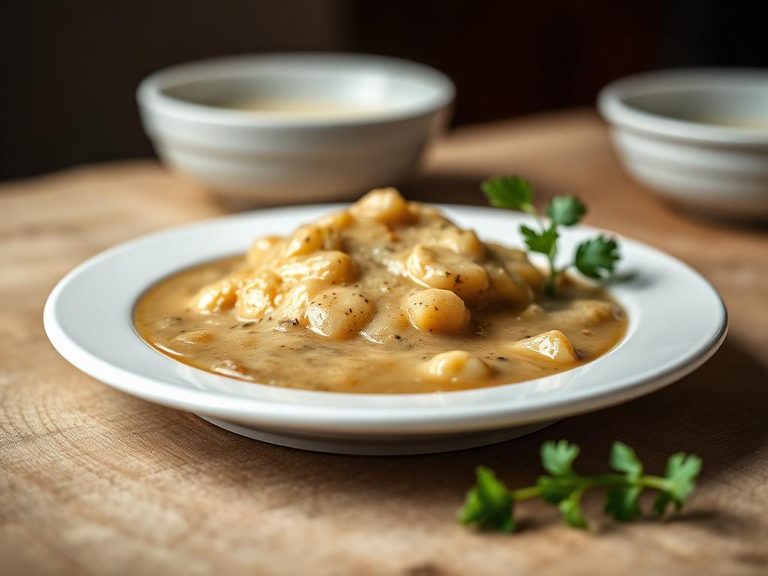
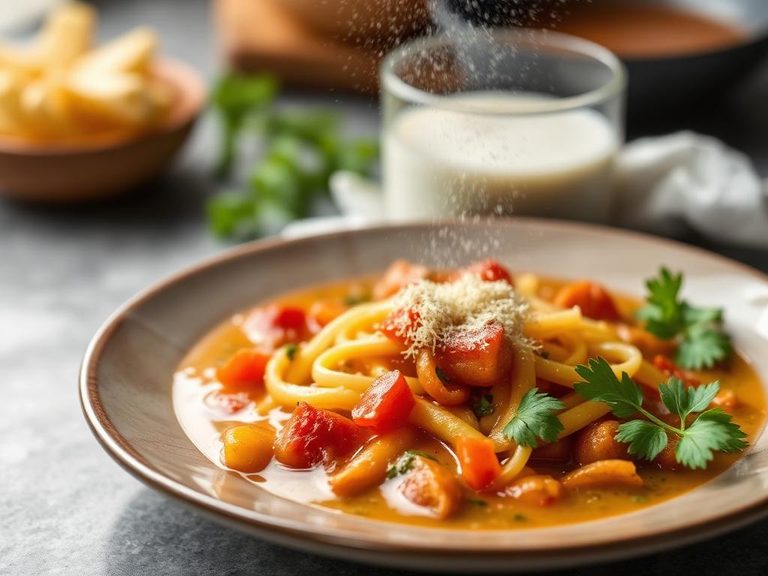
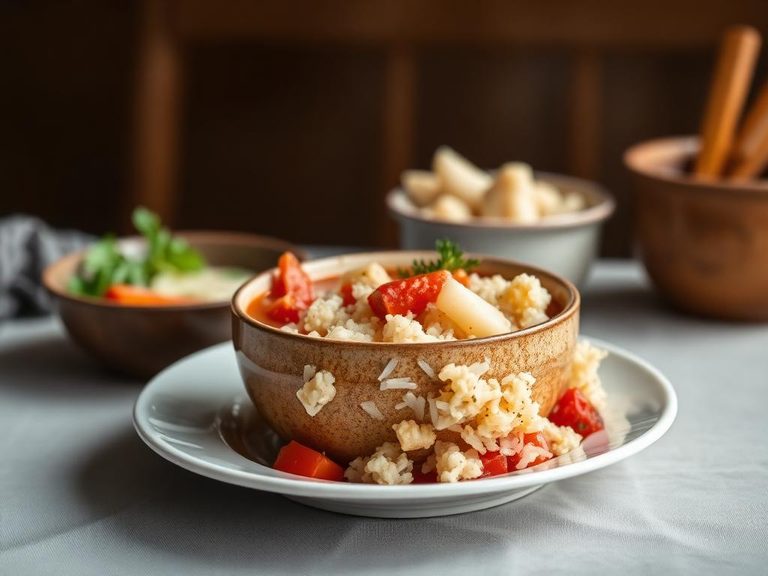
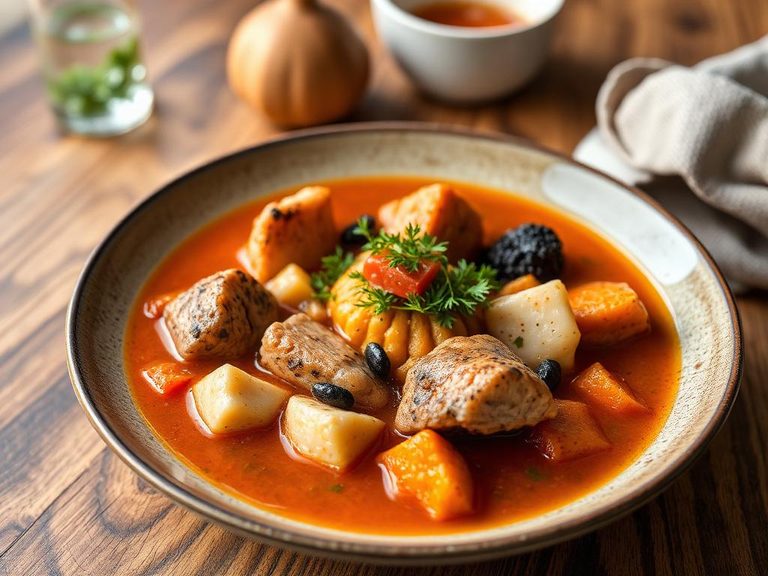
Hearty winter soups and stews are comforting, slow-cooked dishes designed to warm and nourish during cold months. They typically feature a rich broth or gravy base with a combination of tender meats (like beef, chicken, or pork), root vegetables (such as potatoes, carrots, and onions), and often beans or lentils. These dishes are a staple in cuisines worldwide, from European beef stews to American chili.
🍽️ Nutrition at a glance
These dishes are generally balanced, providing a good mix of protein from the meat, complex carbohydrates from vegetables and any added starches, and fats from the cooking process. They are rich in key nutrients like iron, B vitamins, and potassium, with a typical serving ranging from 300 to 500 calories depending on the specific recipe and portion size.
Nutrition breakdown
| Calories | 420 kcal |
| Protein | 28 g |
| Carbs | 35 g |
| Fat | 18 g |
| Fiber | 6 g |
| Sugar | 8 g |
| Sodium | 850 mg |
| Potassium | 680 mg |
| Vitamin A | 250 mcg RAE |
| Vitamin C | 15 mg |
| Iron | 4.2 mg |
| Zinc | 5.8 mg |
| Vitamin B6 | 0.5 mg |
| Magnesium | 55 mg |
| Phosphorus | 320 mg |
Per 1.5 cups (360 g) · estimated, varies by recipe
💡 What's interesting
Culturally, these dishes are a universal symbol of home cooking and communal sharing, often passed down through family recipes. Nutritionally, the slow-cooking process helps break down tough fibers in meats and vegetables, making nutrients more bioavailable and creating a deeply flavorful, satisfying meal that supports hydration and warmth.