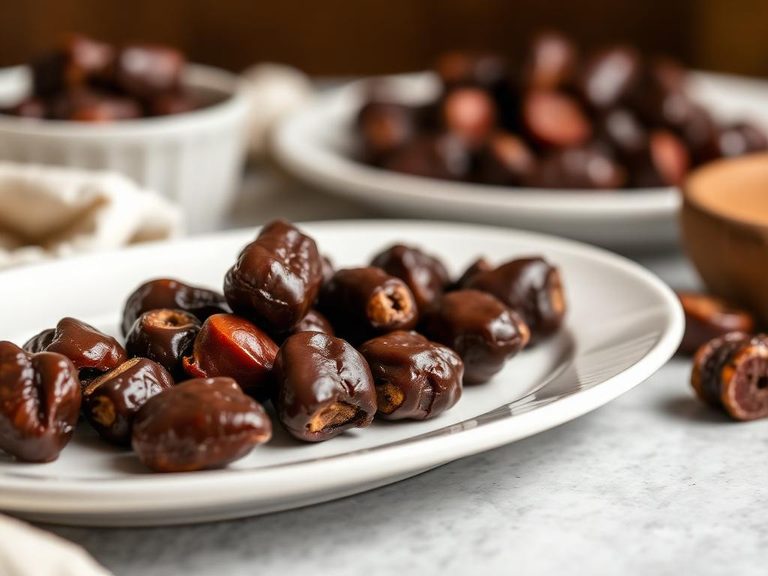
Glazed Fruits & Desserts

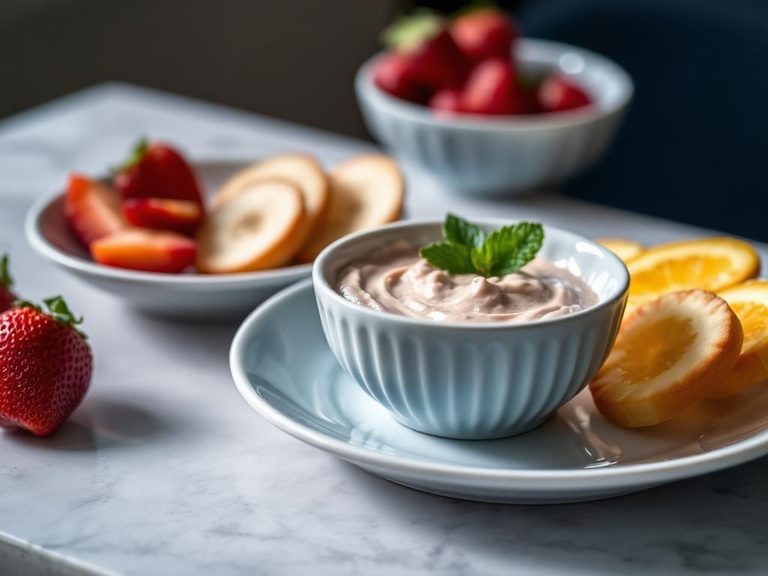
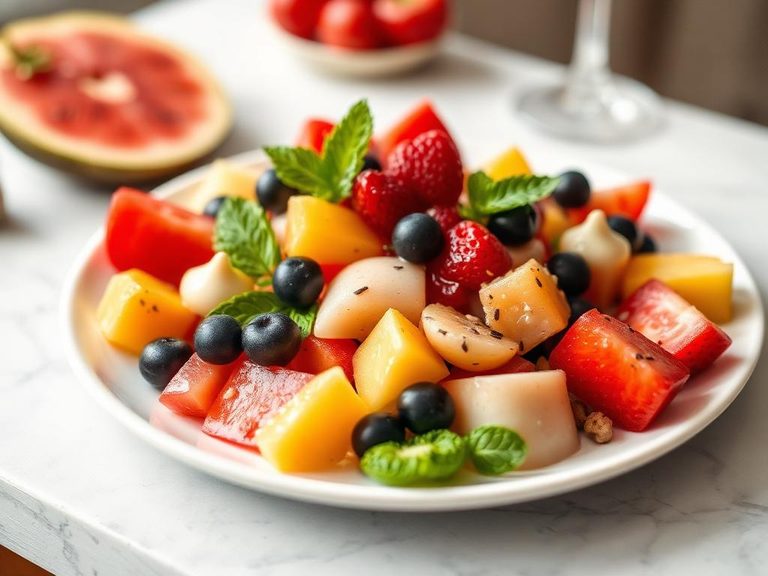
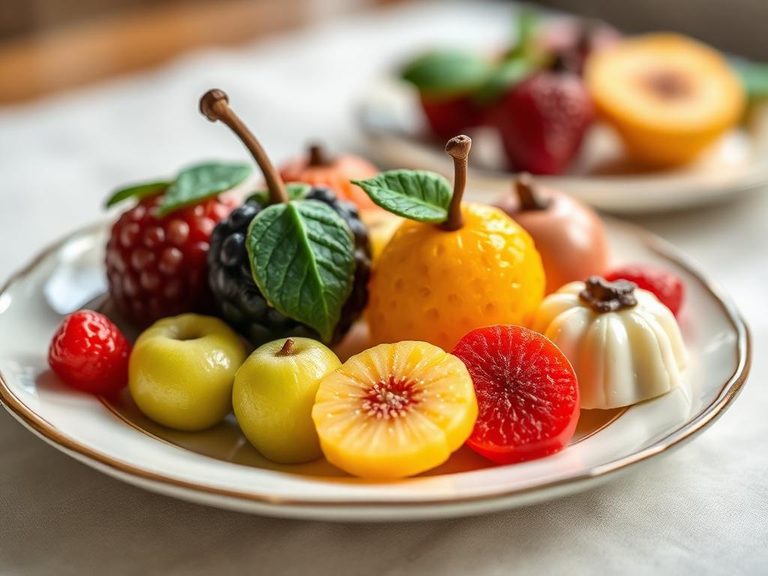
Glazed Fruits & Desserts are a category of sweet treats where fruits or other ingredients are coated in a shiny, sweet glaze, often made from sugar syrup, honey, or a gelatin-based mixture. This technique is common in European and American cuisines, particularly in pastries, tarts, and fruit platters to enhance appearance and add a sweet, glossy finish.
🍽️ Nutrition at a glance
These desserts are typically high in carbohydrates, primarily from sugars in the glaze and fruit, with minimal protein and fat. They provide quick energy and some vitamins and minerals from the fruit base, but are generally calorie-dense due to the added sugars.
Nutrition breakdown
| Calories | 180 kcal |
| Protein | 1 g |
| Carbs | 45 g |
| Fat | 0.5 g |
| Fiber | 3 g |
| Sugar | 38 g |
| Sodium | 10 mg |
| Vitamin C | 15 mg |
| Potassium | 200 mg |
| Vitamin A | 50 µg |
| Calcium | 15 mg |
| Iron | 0.5 mg |
| Magnesium | 10 mg |
| Phosphorus | 20 mg |
| Manganese | 0.3 mg |
Per 1 cup (150 g) · estimated, varies by recipe
💡 What's interesting
The glazing technique not only makes desserts visually appealing but also helps preserve the freshness of the fruit by creating a protective barrier against oxidation. In some cultures, glazed fruits are used in festive or ceremonial dishes, symbolizing abundance and celebration.