Glaze for Roasted Meats
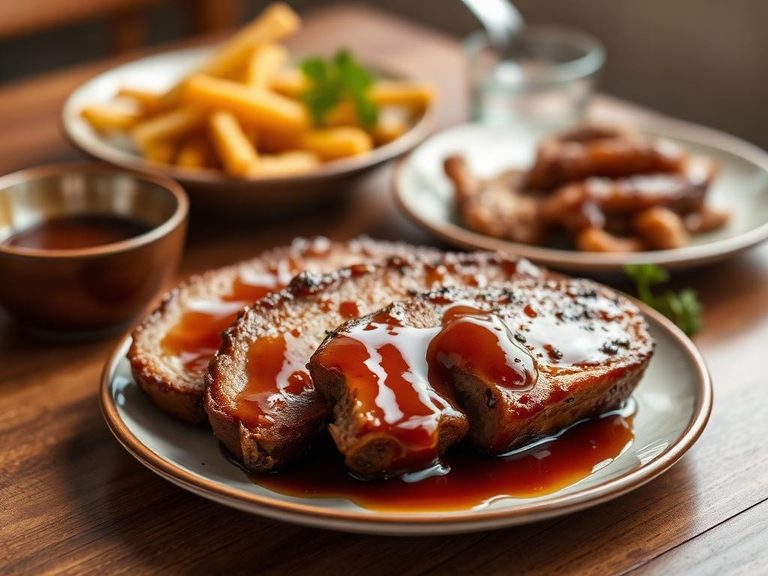
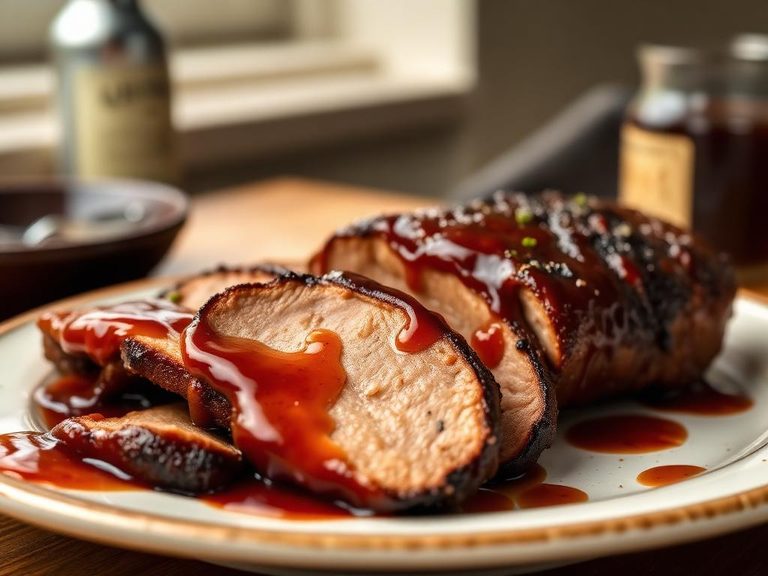
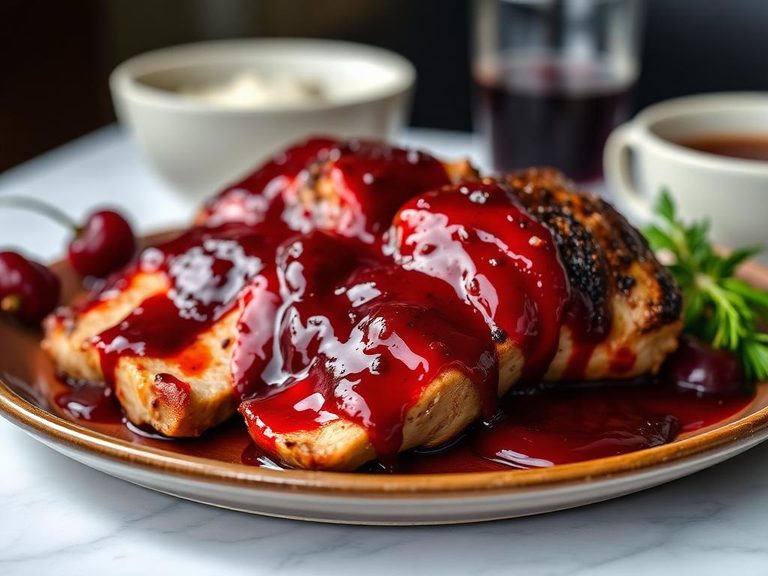
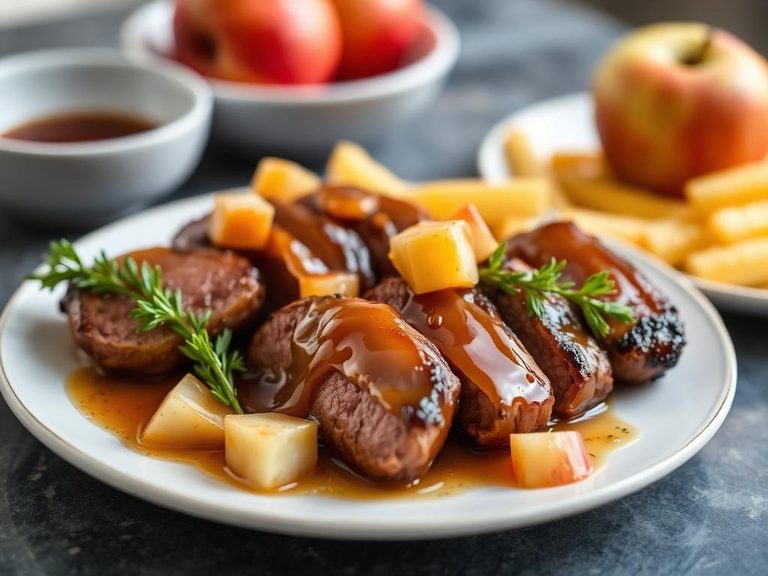
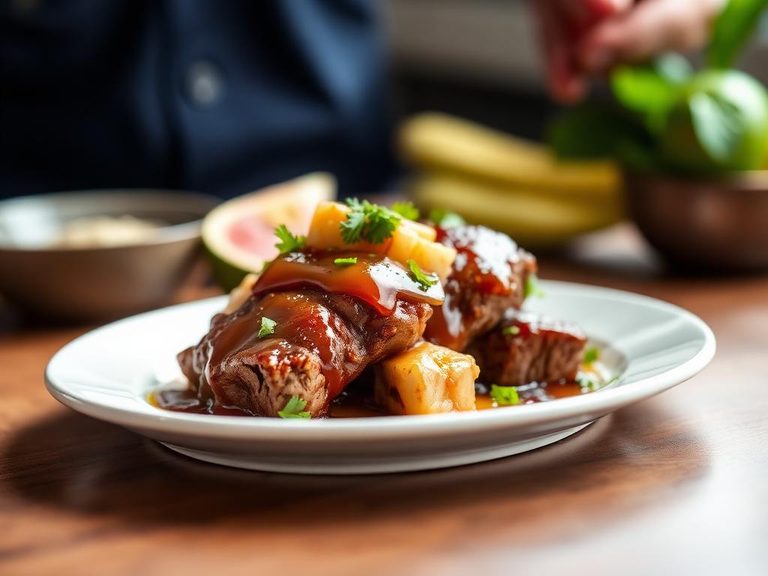
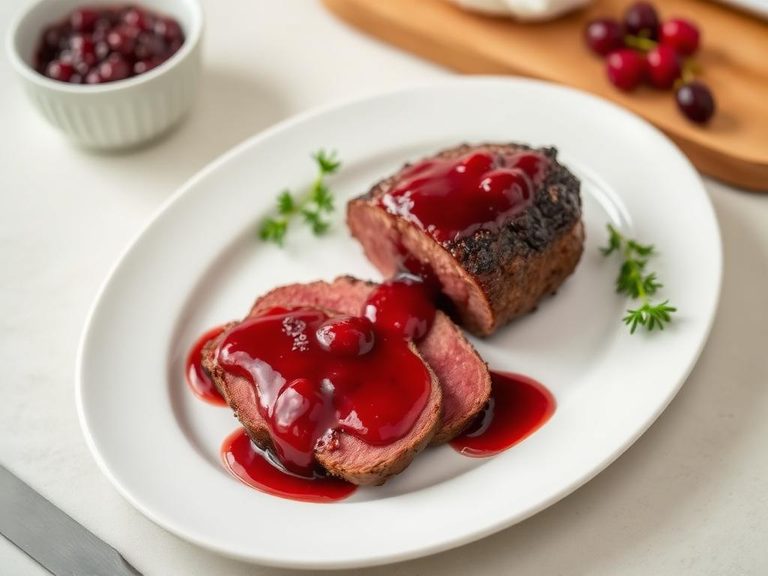
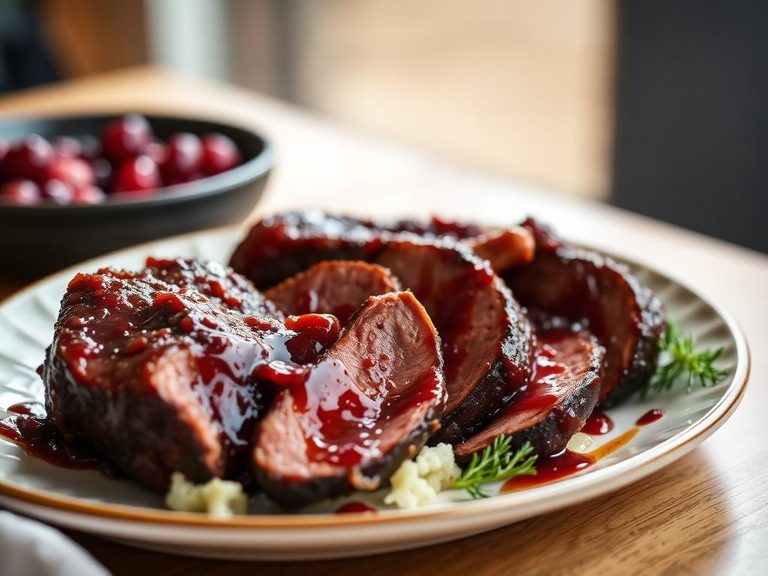
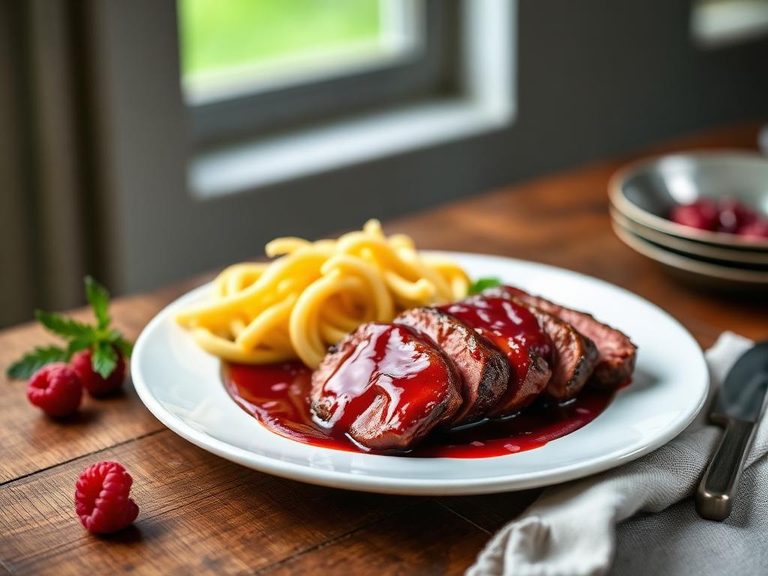
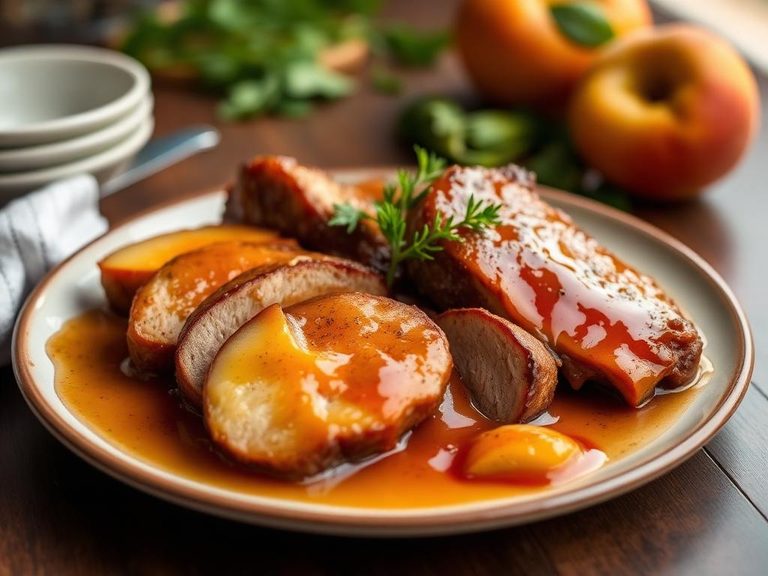
A glaze for roasted meats is a sweet and savory coating applied during cooking to add flavor, moisture, and a beautiful sheen. It typically combines a sweet component like honey, brown sugar, or fruit preserves with savory elements such as soy sauce, mustard, vinegar, or herbs. This culinary technique is found in many cuisines worldwide, from American barbecue to Asian-inspired roasts.
🍽️ Nutrition at a glance
This glaze is typically high in carbohydrates and sugars from its sweet base, with a moderate amount of fat depending on added oils or butter. It provides quick energy and can contain trace minerals from ingredients like soy sauce or fruit.
Nutrition breakdown
| Calories | 50 kcal |
| Protein | 0.5 g |
| Carbs | 12 g |
| Fat | 0.2 g |
| Fiber | 0 g |
| Sugar | 10 g |
| Sodium | 180 mg |
| Potassium | 30 mg |
| Iron | 0.2 mg |
| Manganese | 0.1 mg |
Per 2 tablespoons (30 g) · estimated, varies by recipe
💡 What's interesting
The glaze's primary role is functional as much as it is flavorful; the sugars caramelize under heat (the Maillard reaction), creating a flavorful, crispy crust that helps seal in juices. Nutritionally, it's a concentrated source of energy, making it a flavor enhancer rather than a nutrient-dense component of the meal.