Ginger-turmeric tea
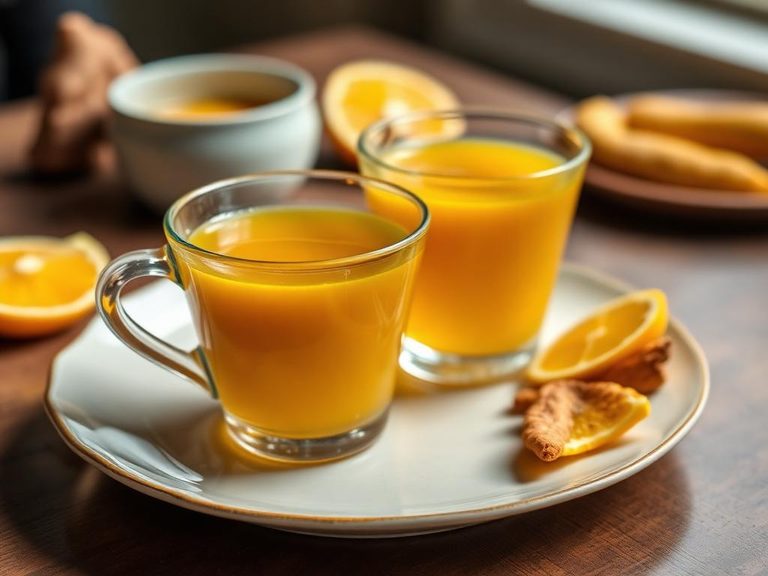
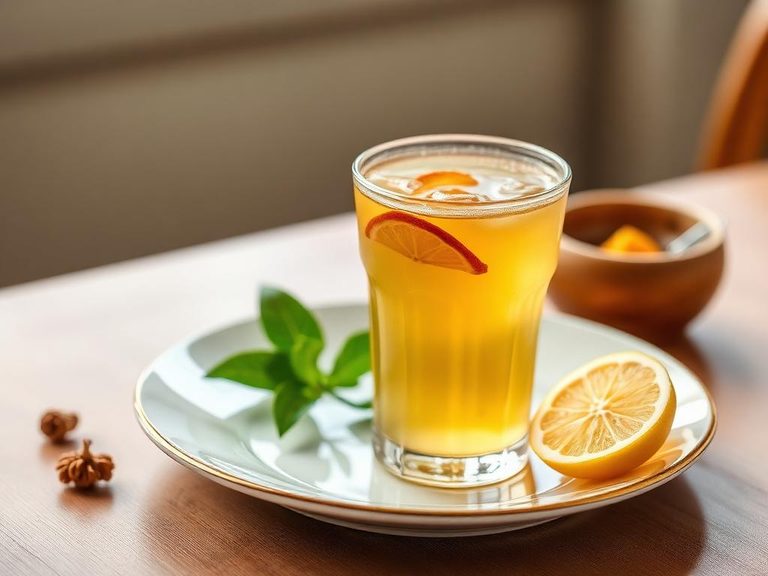
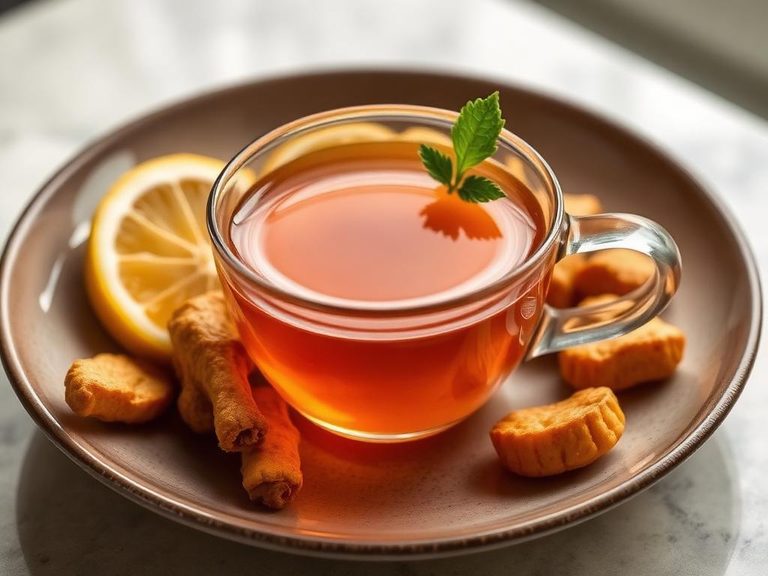
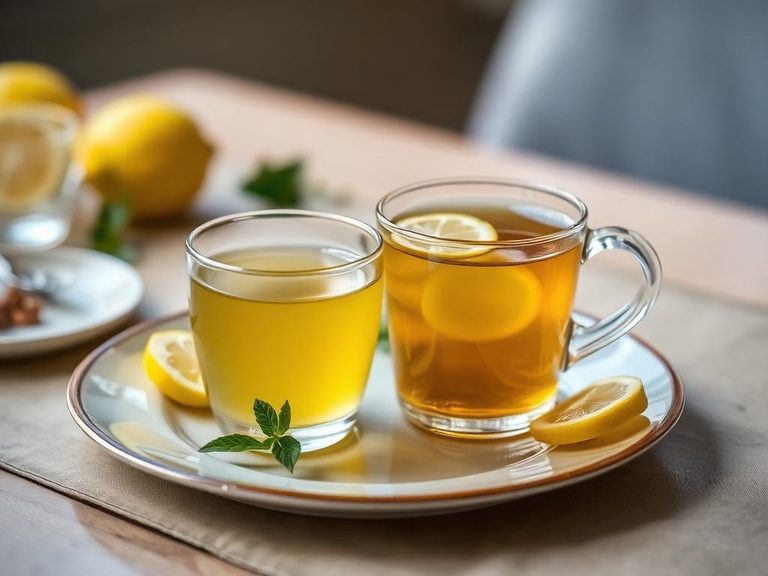
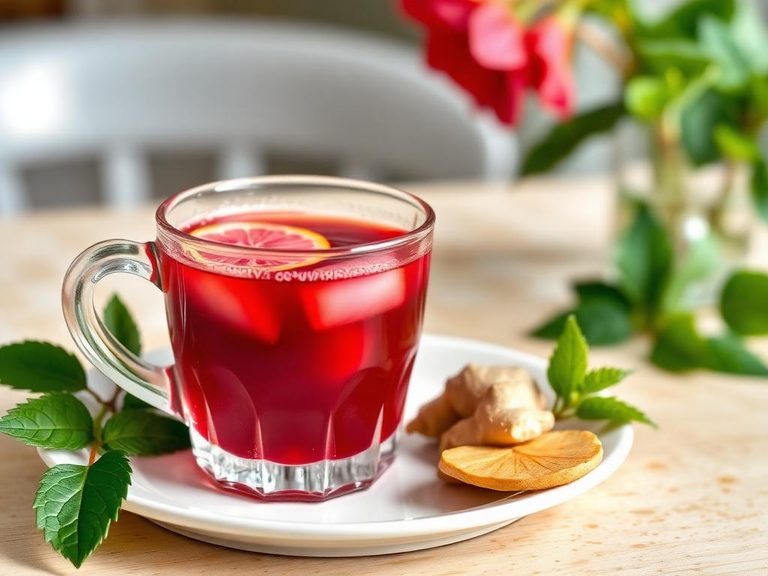
Ginger-turmeric tea is a warm, aromatic herbal infusion made by simmering fresh ginger and turmeric root, often with black pepper to enhance absorption and a sweetener like honey or maple syrup. This vibrant, golden-hued drink has roots in traditional Ayurvedic and Southeast Asian wellness practices, where it's valued for its soothing properties.
🍽️ Nutrition at a glance
This tea is virtually fat-free and very low in carbohydrates and protein, with a typical serving containing only 10-30 calories depending on added sweeteners. Its key nutrients include the bioactive compounds gingerol (from ginger) and curcumin (from turmeric), along with small amounts of manganese and vitamin B6.
Nutrition breakdown
| Calories | 15 kcal |
| Protein | 0.3 g |
| Carbs | 3.5 g |
| Fat | 0.1 g |
| Fiber | 0.5 g |
| Sugar | 2 g |
| Sodium | 5 mg |
| Potassium | 50 mg |
| Manganese | 0.2 mg |
| Vitamin C | 3 mg |
| Iron | 0.3 mg |
| Magnesium | 10 mg |
| Phosphorus | 15 mg |
| Vitamin B6 | 0.05 mg |
| Gingerol | trace |
Per 1 cup (240 g) · estimated, varies by recipe
💡 What's interesting
The combination is nutritionally unique because the piperine in black pepper can increase the bioavailability of curcumin by up to 2000%, making the traditional practice of adding pepper a clever, science-backed technique. Culturally, it represents a global 'golden milk' tradition, with variations found from India to the Caribbean, often enjoyed as a comforting daily ritual or a remedy for seasonal sniffles.