Kumquat and Ginger Tea
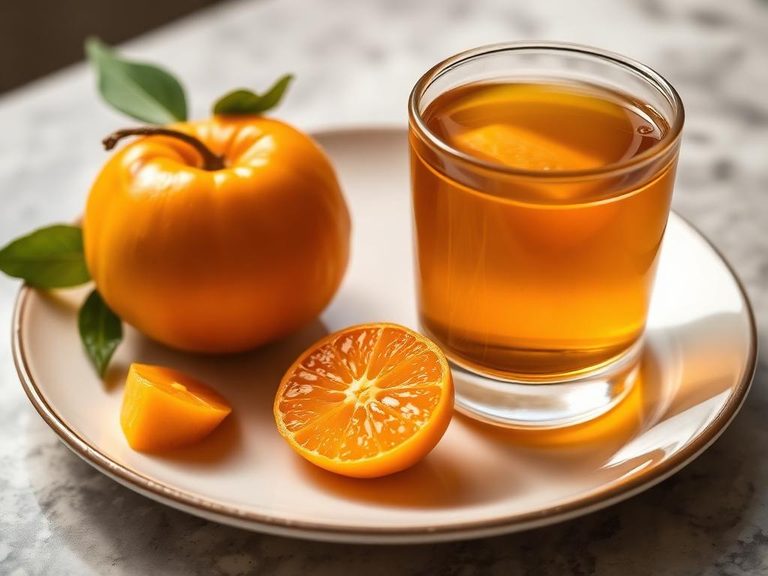
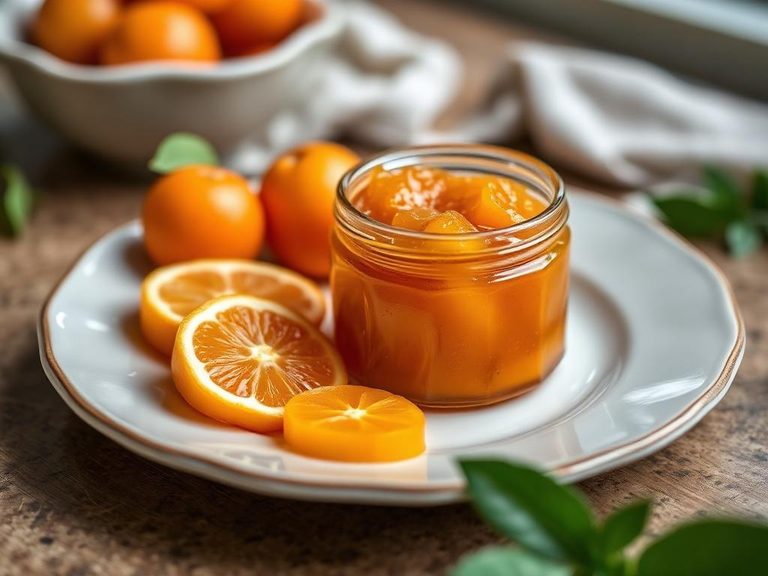
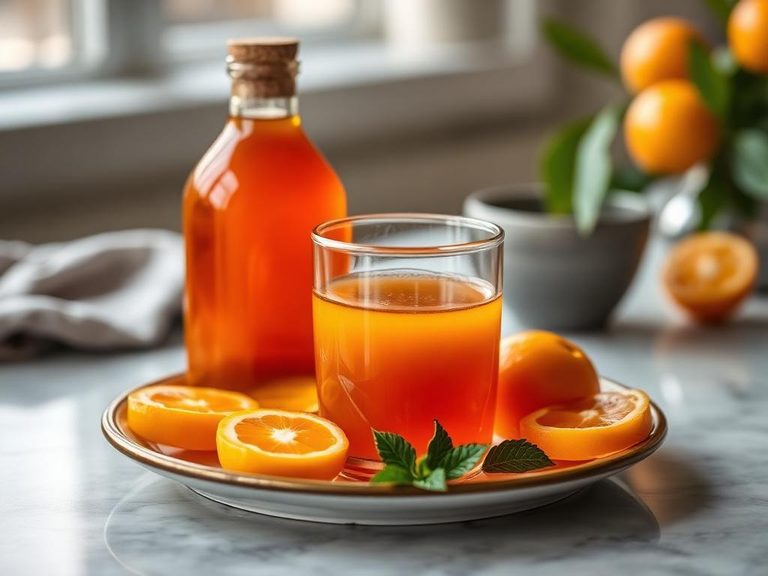
Kumquat and Ginger Tea is a warm, aromatic beverage made by simmering or steeping sliced kumquats (a small, edible citrus fruit) and fresh ginger in water, often sweetened with honey or rock sugar. It is a popular homemade drink in many East Asian households, particularly in China, enjoyed for its refreshing, tangy-spicy flavor and traditional wellness benefits.
🍽️ Nutrition at a glance
This tea is naturally low in fat and protein, with most of its calories coming from carbohydrates, primarily from the natural sugars in the fruit and any added sweetener. It is a good source of vitamin C from the kumquats and provides beneficial plant compounds like gingerols from the ginger.
Nutrition breakdown
| Calories | 70 kcal |
| Protein | 0.5 g |
| Carbs | 18 g |
| Fat | 0.2 g |
| Fiber | 2 g |
| Sugar | 14 g |
| Sodium | 5 mg |
| Vitamin C | 25 mg |
| Potassium | 120 mg |
| Manganese | 0.3 mg |
| Vitamin A | 15 µg |
| Iron | 0.4 mg |
| Magnesium | 10 mg |
| Calcium | 20 mg |
Per 1 cup (240 g) · estimated, varies by recipe
💡 What's interesting
Culturally, this tea is a classic example of a Chinese 'tang shui' (sweet water) or home remedy, often sipped during cooler weather or at the first sign of a cold to warm the body and soothe the throat. Nutritionally, the whole kumquats are used, including the peel, which is rich in fragrant oils and antioxidants, making it more nutrient-dense than a simple juice.