

Fruit Jelly
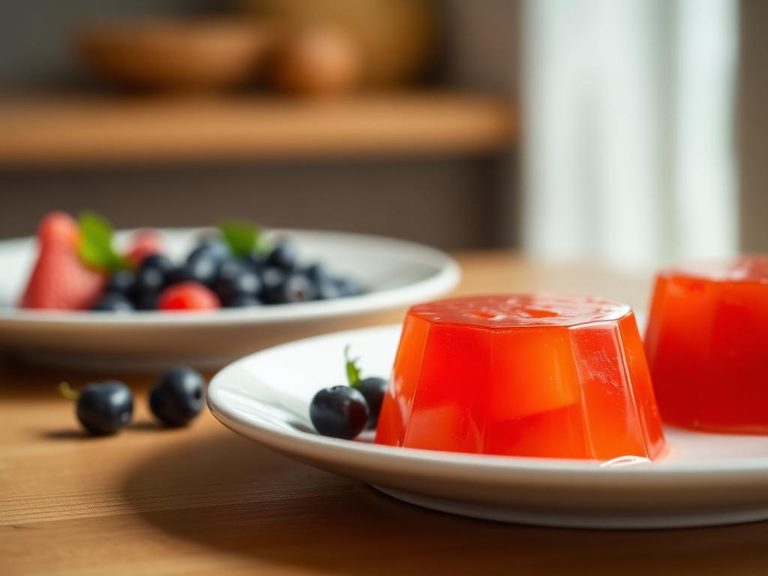
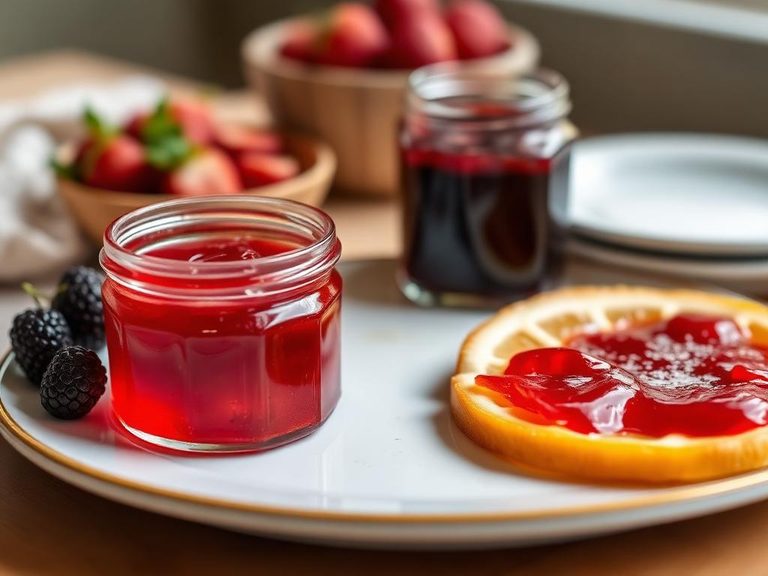
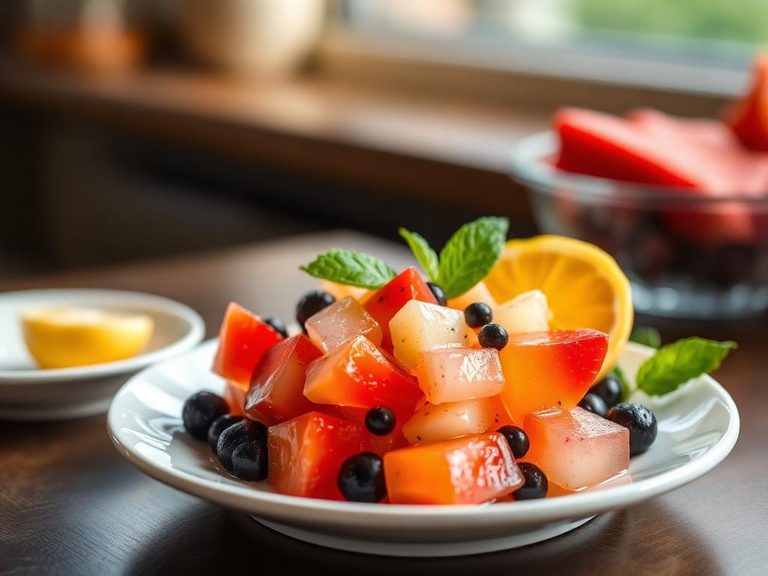
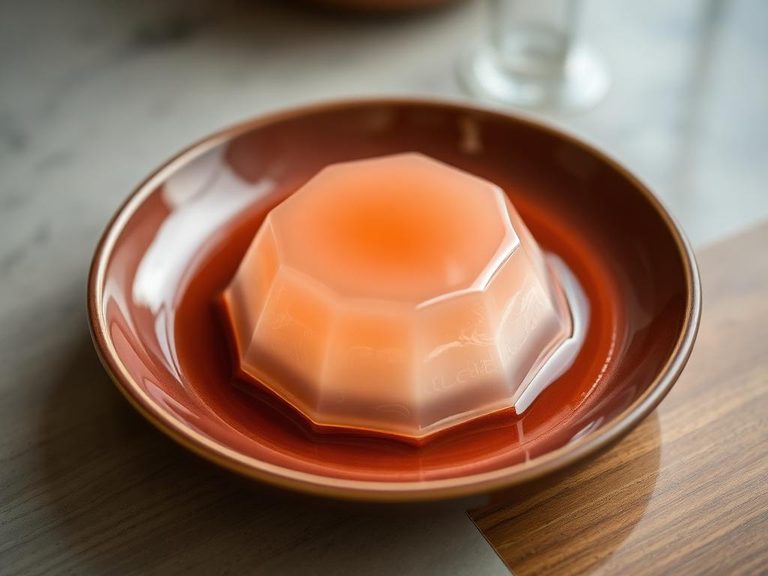
Fruit Jelly is a light, refreshing dessert made by setting fruit juice or flavored liquid with a gelling agent like gelatin, agar-agar, or pectin. It typically features vibrant fruit flavors such as strawberry, mango, or lychee and often includes small pieces of real fruit suspended within the translucent, wobbly texture. This popular treat is enjoyed worldwide, with notable variations like the layered 'rainbow jelly' in Southeast Asia and the fruit-filled cups common in many Western countries.
🍳 View the full Fruit Jelly recipe →
🍽️ Nutrition at a glance
Fruit Jelly is predominantly high in carbohydrates from sugars, with negligible fat and protein. It provides quick energy but minimal essential nutrients, though versions made with real fruit juice may offer small amounts of vitamins. A standard 100-gram serving typically contains around 70-90 calories.
Nutrition breakdown
| Calories | 150 kcal |
| Protein | 0.5 g |
| Carbs | 38 g |
| Fat | 0 g |
| Fiber | 0 g |
| Sugar | 35 g |
| Sodium | 40 mg |
| Vitamin C | 10 mg |
| Calcium | 15 mg |
| Iron | 0.2 mg |
| Potassium | 50 mg |
| Magnesium | 5 mg |
| Phosphorus | 10 mg |
| Zinc | 0.1 mg |
| Copper | 0.02 mg |
Per 1 cup (240 g) · estimated, varies by recipe
💡 What's interesting
Culturally, fruit jelly is a nostalgic comfort food for many, often associated with childhood snacks and festive occasions. Nutritionally, its appeal lies in its high water content and low calorie density, making it a popular choice for a light, hydrating treat in warm climates.
🍽️ Related dishes


AI estimate may be inaccurate · Terms