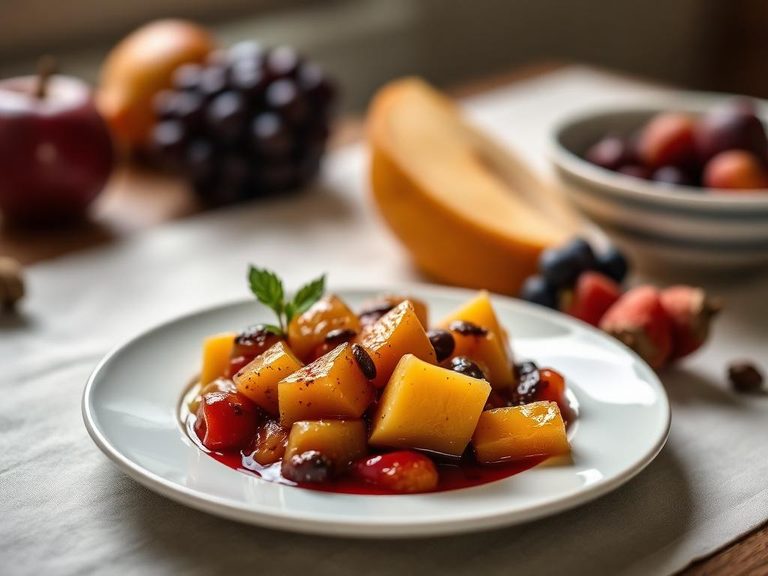
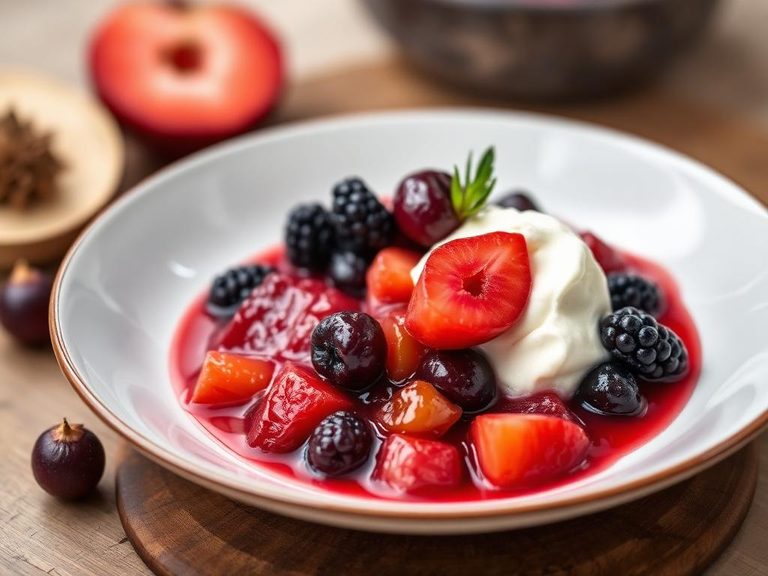
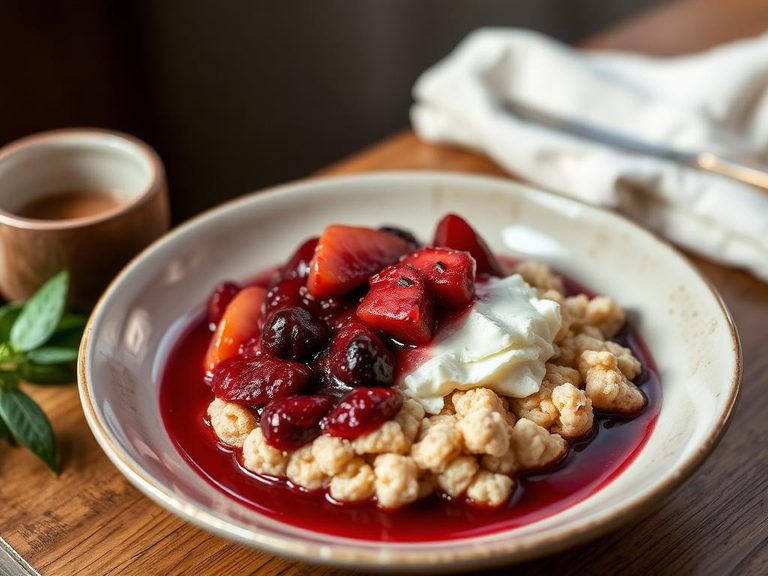
Fruit compote topping
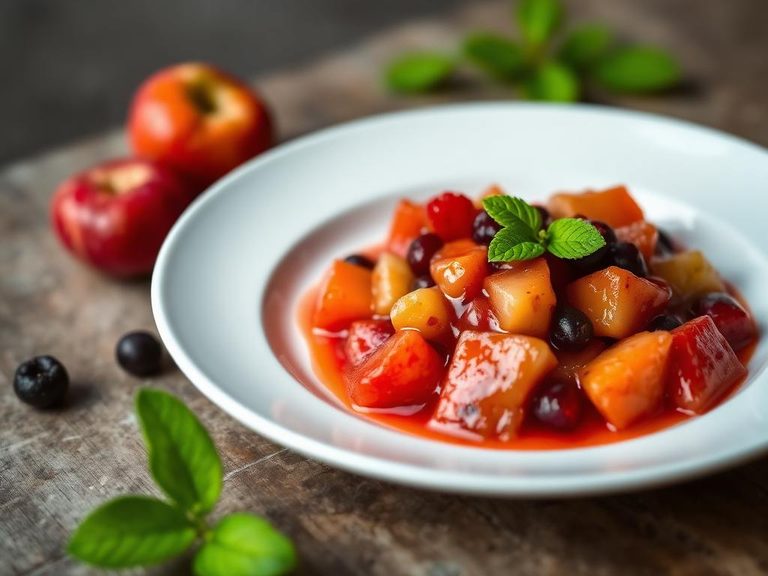
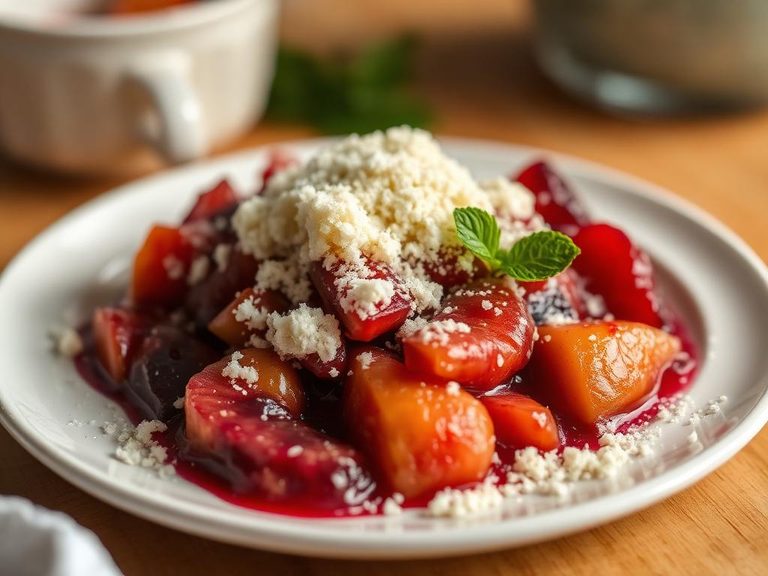
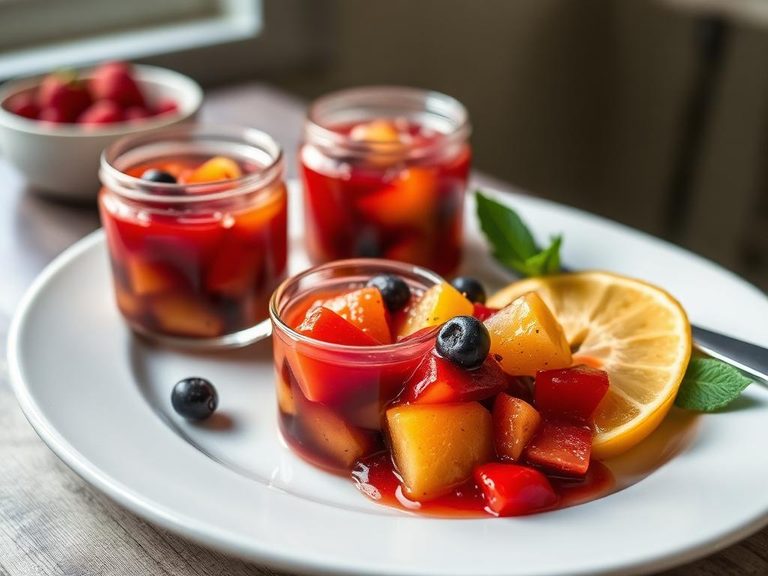
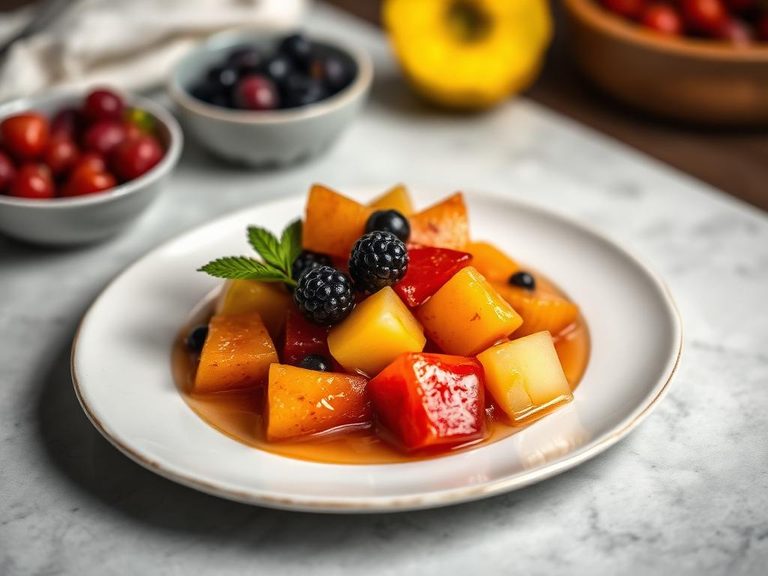
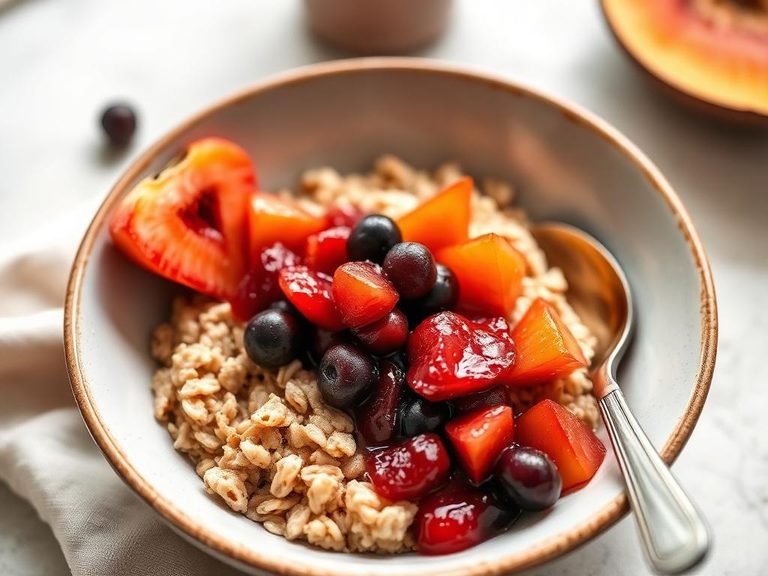
Fruit compote topping is a simple, versatile sauce made by gently simmering fresh or frozen fruits in a sweetened liquid until they soften and release their juices. The base typically includes a variety of fruits like berries, apples, or stone fruits, combined with water, sugar, and often a splash of citrus juice or a warm spice like cinnamon. While its origins are rooted in traditional European and North American home cooking, it's a universal method for preserving and enjoying seasonal fruit.
🍽️ Nutrition at a glance
This topping is primarily a source of carbohydrates, mainly from natural fruit sugars and any added sweetener, with negligible fat or protein. It provides a good amount of dietary fiber and key vitamins like Vitamin C and potassium, with a typical serving containing around 100-150 calories.
Nutrition breakdown
| Calories | 120 kcal |
| Protein | 0.5 g |
| Carbs | 30 g |
| Fat | 0.2 g |
| Fiber | 3 g |
| Sugar | 24 g |
| Sodium | 5 mg |
| Vitamin C | 15 mg |
| Potassium | 180 mg |
| Manganese | 0.3 mg |
| Vitamin K | 5 mcg |
| Vitamin A | 45 RAE |
| Iron | 0.4 mg |
| Magnesium | 12 mg |
| Folate | 15 mcg |
Per 1/2 cup (150 g) · estimated, varies by recipe
💡 What's interesting
Culturally, compote is a classic example of a 'preservation by cooking' technique, allowing people to enjoy summer fruits throughout the year. Nutritionally, the gentle cooking process can make certain nutrients, like the lycopene in cooked tomatoes or antioxidants in berries, more bioavailable to the body.