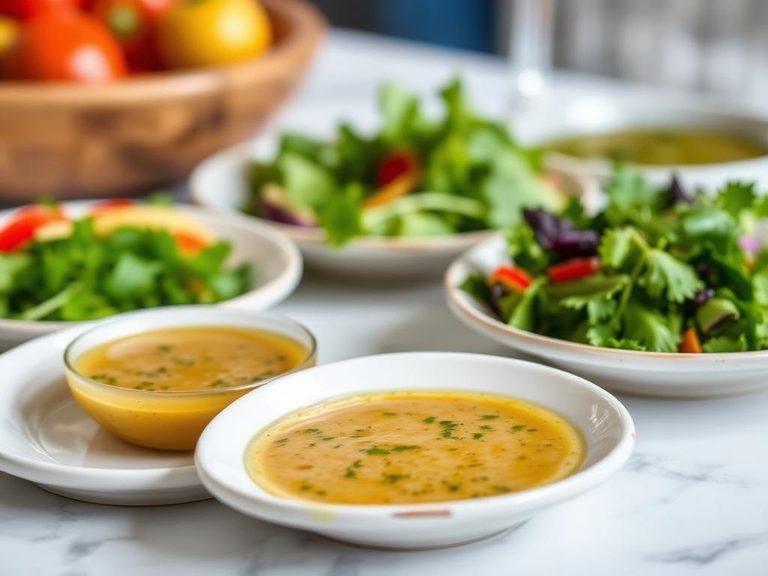
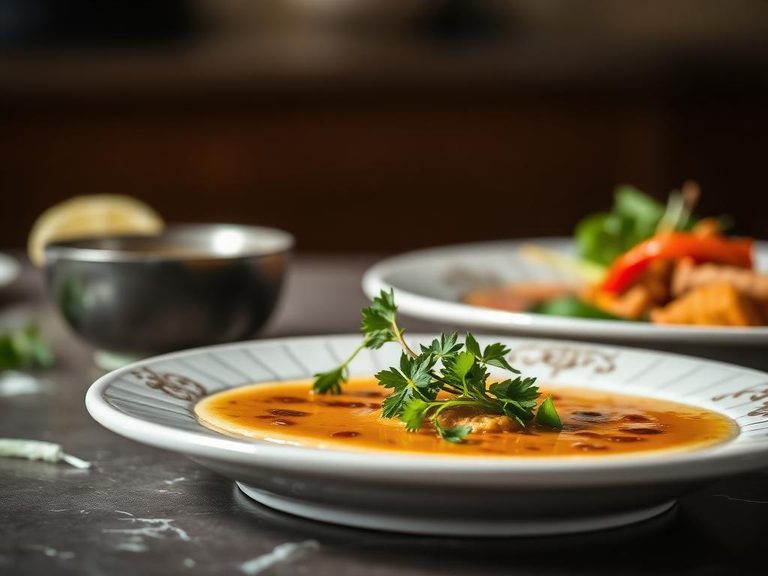
Fish-based salad dressings
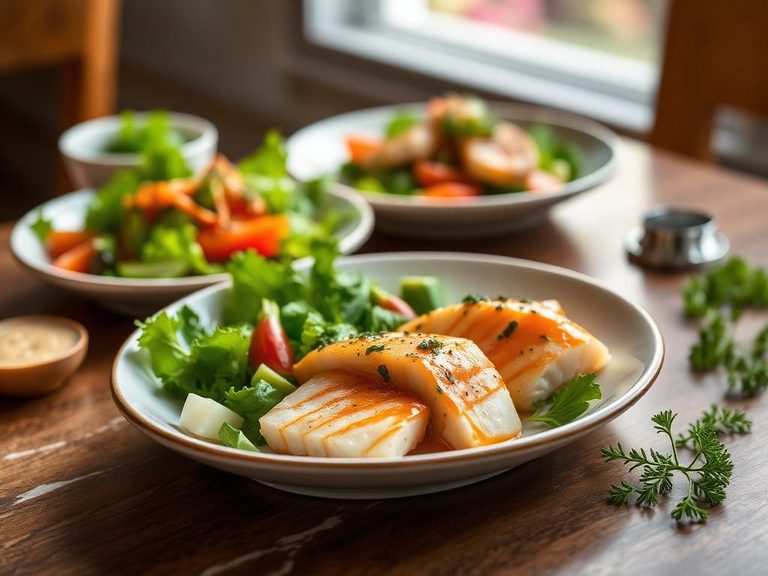
Fish-based salad dressings are creamy, savory condiments that blend pureed or emulsified fish (like anchovies, sardines, or smoked fish) with ingredients such as oil, vinegar, lemon juice, mustard, and herbs. They are a traditional flavor enhancer in Mediterranean and coastal cuisines, particularly in Italy (e.g., Caesar dressing's original anchovy base) and parts of Northern Europe.
🍽️ Nutrition at a glance
These dressings are typically high in fat and protein, with minimal carbohydrates, and provide a significant dose of omega-3 fatty acids, vitamin D, and B12. A standard serving (about 2 tablespoons) generally contains between 100-150 calories.
Nutrition breakdown
| Calories | 120 kcal |
| Protein | 2.5 g |
| Carbs | 0.5 g |
| Fat | 12 g |
| Fiber | 0 g |
| Sugar | 0 g |
| Sodium | 350 mg |
| Omega-3 Fatty Acids (EPA & DHA) | 500 mg |
| Vitamin D | 2.5 µg |
| Vitamin B12 | 1.2 µg |
| Selenium | 4 µg |
| Phosphorus | 45 mg |
| Niacin (B3) | 1.5 mg |
| Vitamin E | 1 mg |
| Iron | 0.5 mg |
Per 2 tablespoons (30 g) · estimated, varies by recipe
💡 What's interesting
Nutritionally, they are a unique way to incorporate the benefits of oily fish into a condiment, boosting the nutrient profile of a simple salad. Culturally, they represent a historical method of preserving and utilizing small, abundant fish to create a powerful umami-rich flavor base for dishes.