

Energy Bar Ingredient

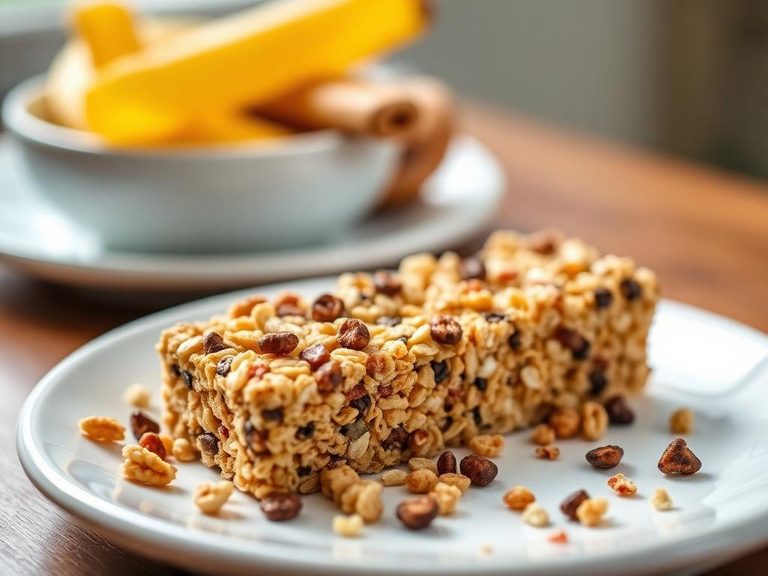
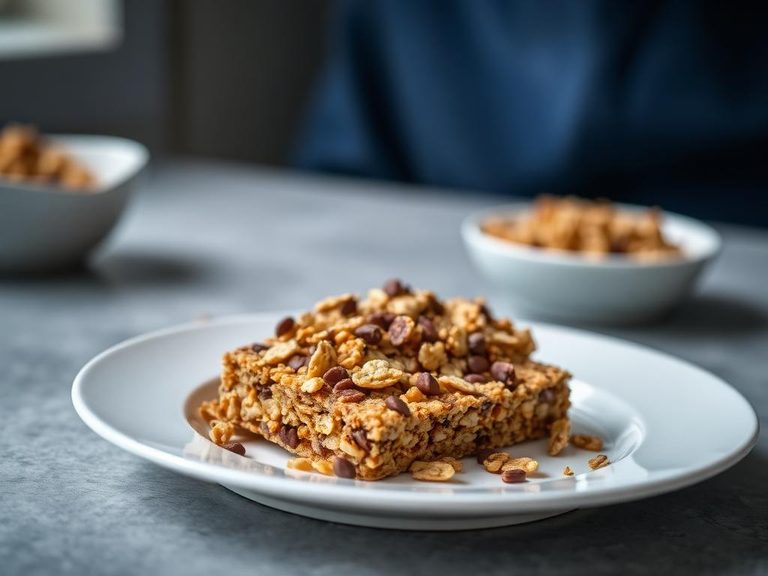
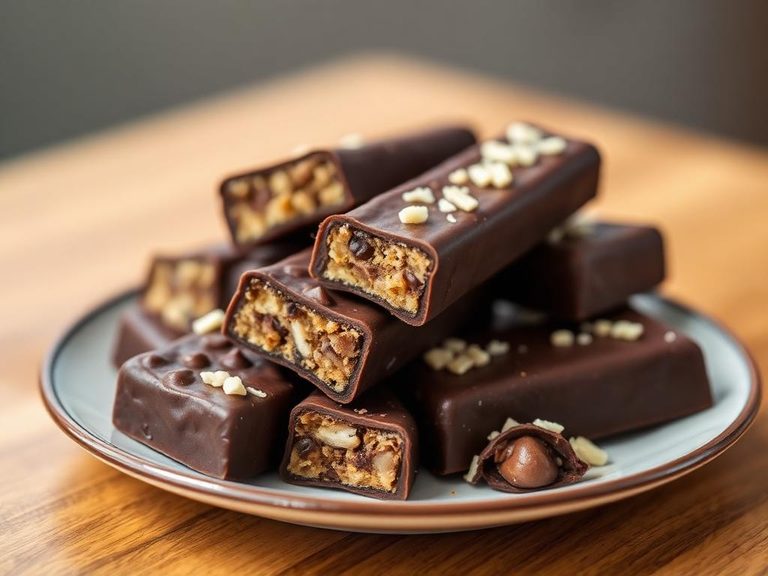
An energy bar ingredient is not a single dish but a customizable blend of core components used to make homemade or commercial energy bars. These typically include a base like oats or dates, a protein source such as nuts or protein powder, and a binder like honey or nut butter. The concept originated in health and fitness communities, particularly in the United States, as a convenient, portable snack.
🍳 View the full Energy Bar Ingredient recipe →
🍽️ Nutrition at a glance
Energy bar ingredients are generally high in carbohydrates for quick energy, with moderate protein and healthy fats from nuts and seeds. They provide key nutrients like fiber, vitamins, and minerals, with a typical homemade bar ranging from 150 to 300 calories per serving.
Nutrition breakdown
| Calories | 200 kcal |
| Protein | 5 g |
| Carbs | 30 g |
| Fat | 8 g |
| Fiber | 3 g |
| Sugar | 12 g |
| Sodium | 120 mg |
| Potassium | 150 mg |
| Iron | 2 mg |
| Magnesium | 40 mg |
| Phosphorus | 80 mg |
| Vitamin B6 | 0.2 mg |
| Vitamin B12 | 0.5 mcg |
| Vitamin E | 3 mg |
| Zinc | 1.5 mg |
Per 1 bar (50 g) · estimated, varies by recipe
💡 What's interesting
What's unique is the extreme versatility; ingredients can be tailored to specific dietary needs, like vegan, gluten-free, or high-protein, making it a personalized nutrition tool rather than a fixed recipe.
🍽️ Related dishes





AI estimate may be inaccurate · Terms