

Einkorn pasta
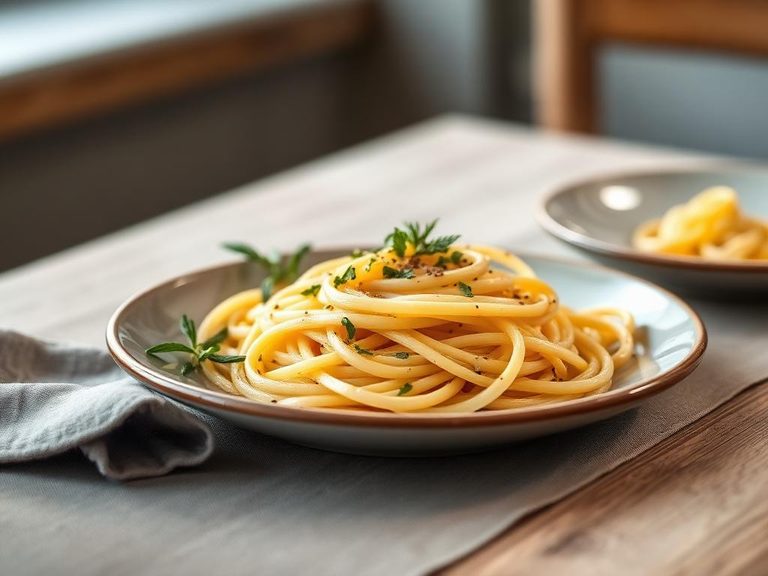
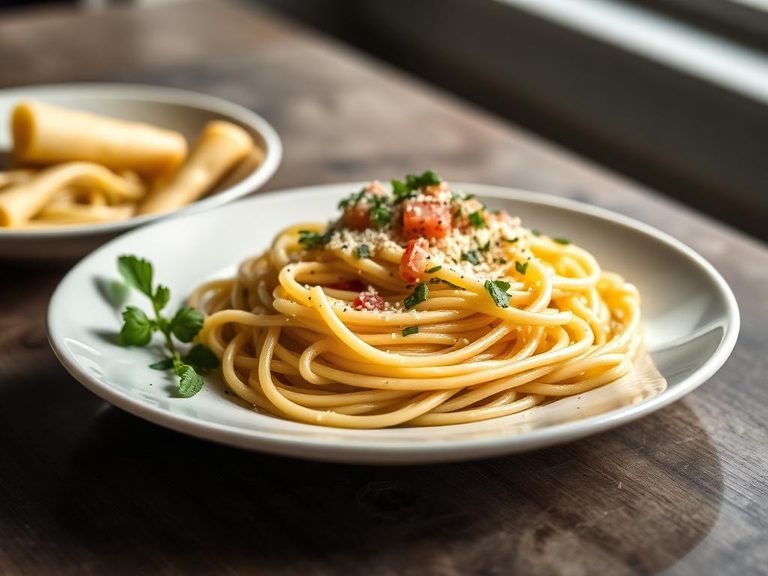
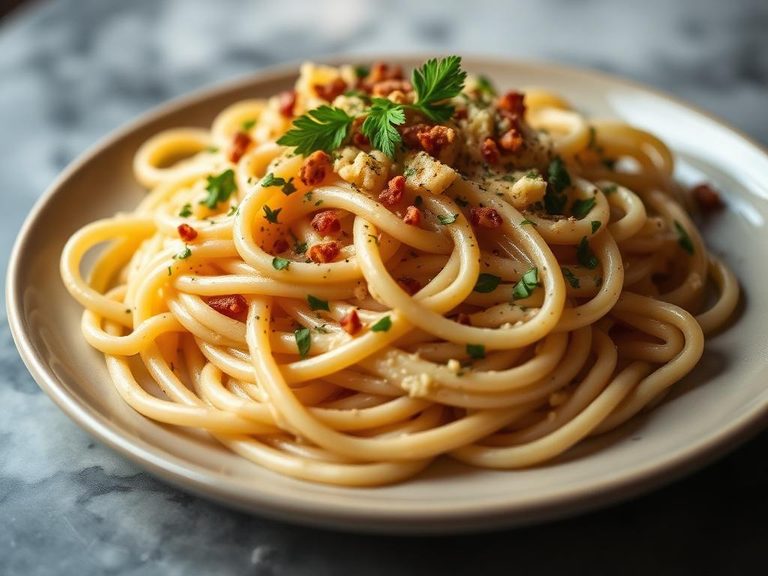
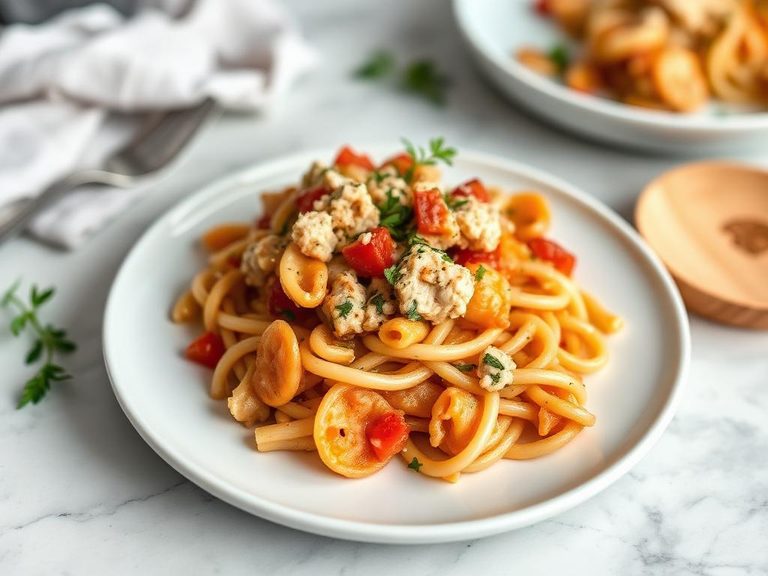
Einkorn pasta is a type of pasta made from einkorn, an ancient and primitive form of wheat that was one of the first cultivated grains. It typically features a simple ingredient list of einkorn flour and water, and its origins trace back to the fertile crescent regions of the ancient Near East.
🍳 View the full Einkorn pasta recipe →
🍽️ Nutrition at a glance
As a grain-based food, it is primarily a source of carbohydrates, but einkorn flour offers a more robust nutritional profile than modern wheat, providing higher levels of protein, essential fatty acids, and antioxidants like lutein. A standard serving (about 2 ounces dry) generally contains around 200-220 calories.
Nutrition breakdown
| Calories | 210 kcal |
| Protein | 8 g |
| Carbs | 40 g |
| Fat | 1.5 g |
| Fiber | 3 g |
| Sugar | 1 g |
| Sodium | 5 mg |
| Potassium | 150 mg |
| Magnesium | 45 mg |
| Phosphorus | 120 mg |
| Iron | 2.5 mg |
| Zinc | 1.8 mg |
| Niacin (B3) | 3.5 mg |
| Thiamin (B1) | 0.3 mg |
| Folate | 45 mcg |
Per 1 cup cooked (170 g) · estimated, varies by recipe
💡 What's interesting
What makes einkorn unique is its genetic simplicity; it has only 14 chromosomes compared to modern wheat's 42, which some people find easier to digest. Its cultivation represents a direct link to the dawn of agriculture, making it a truly historical ingredient on the modern plate.
🍽️ Related dishes
AI estimate may be inaccurate · Terms