Crushed Pie Crust
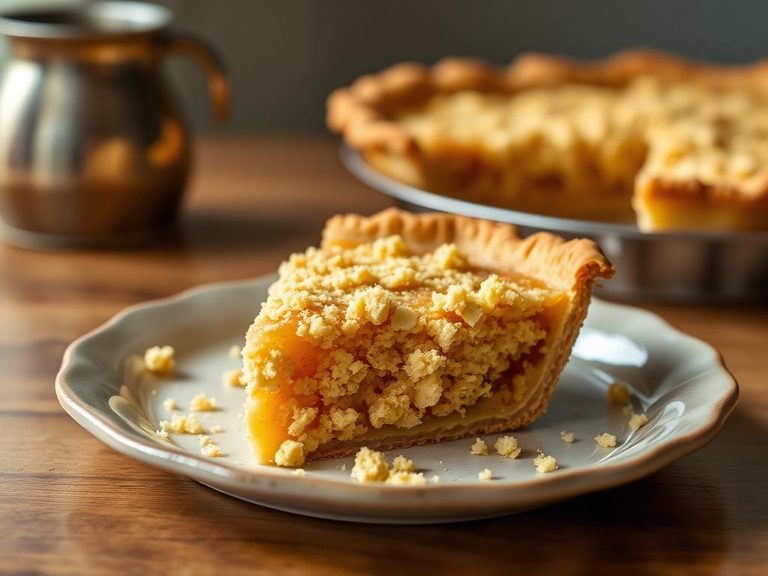
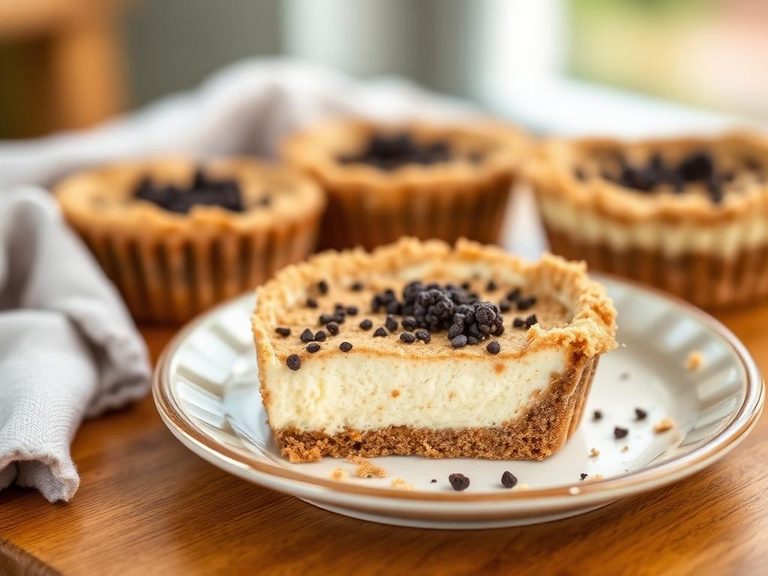
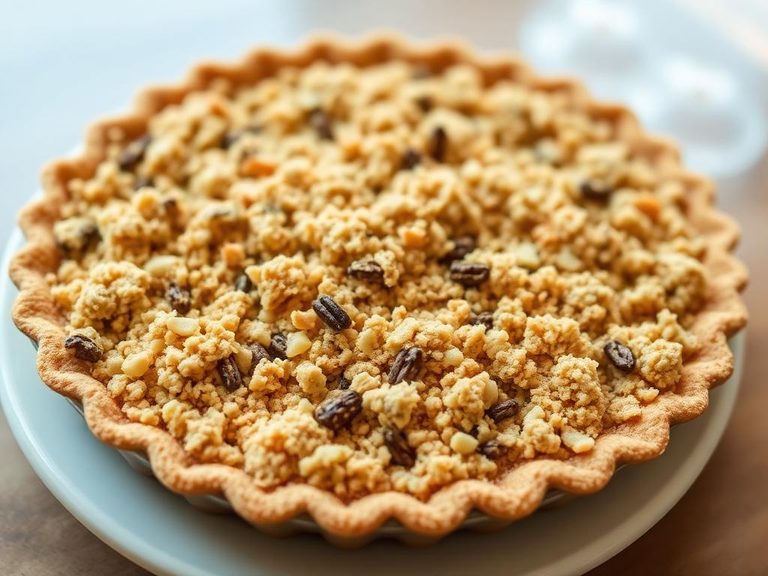
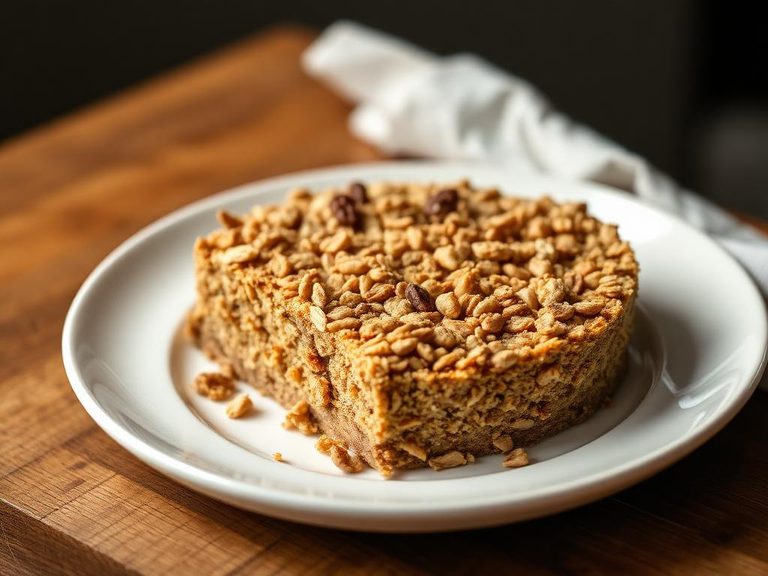
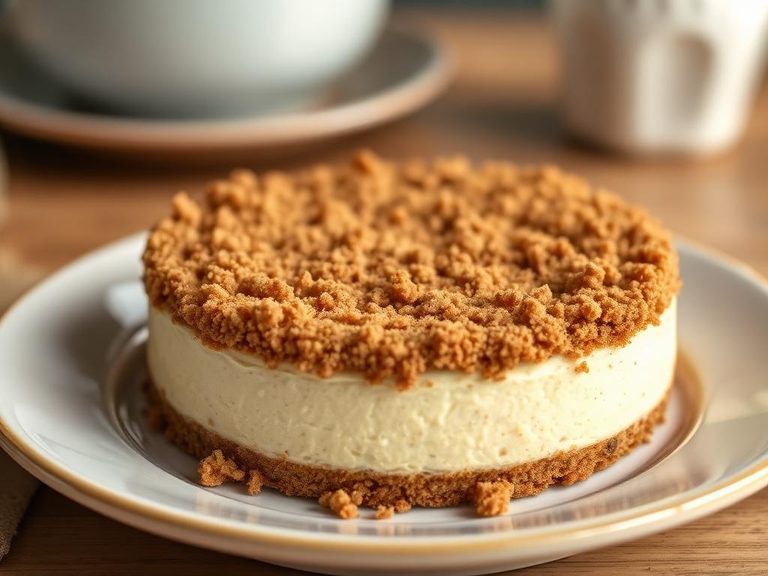
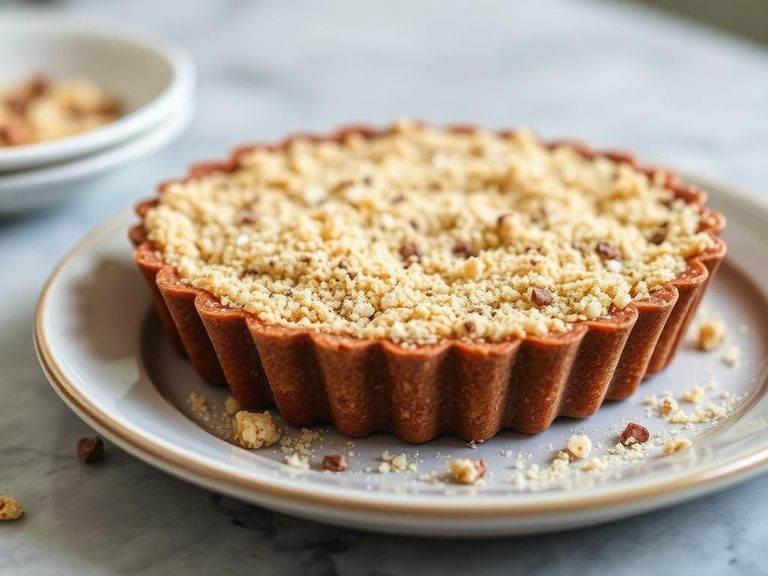
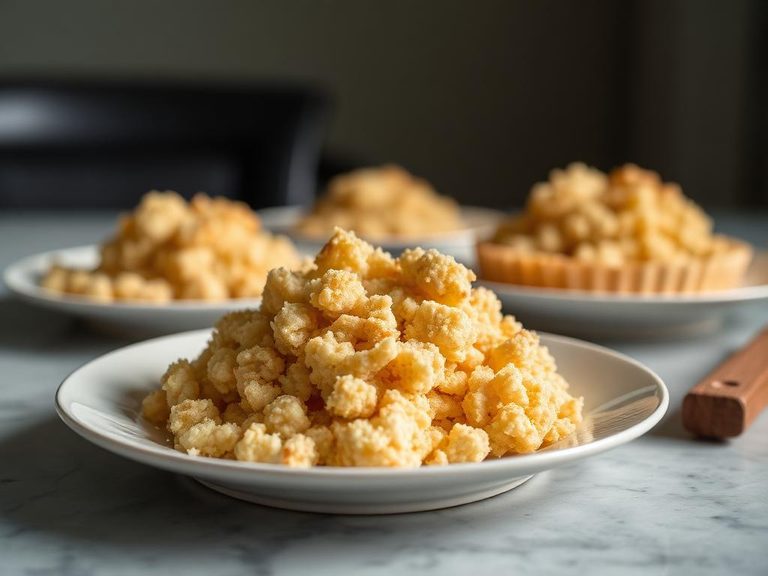
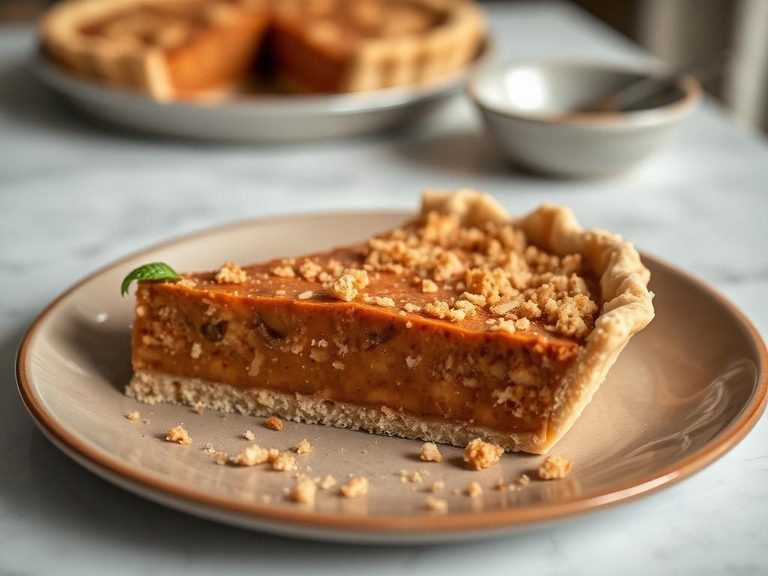
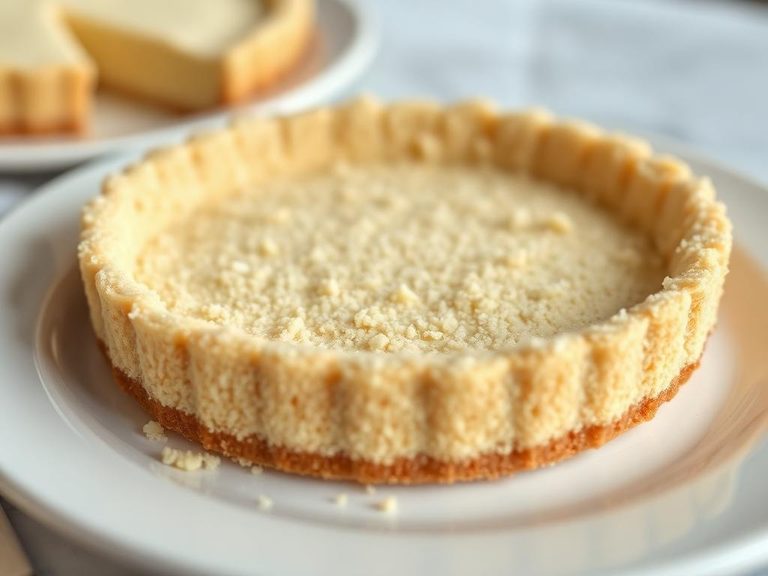
Crushed Pie Crust is a versatile pastry base made from flour, fat, and water, typically baked until crisp and then broken into coarse crumbs or pieces. It's not a standalone dish but a foundational component used in many desserts, particularly as a base for cheesecakes, cream pies, and ice cream pies. Originating from Western baking traditions, it's a staple in American and European kitchens.
🍽️ Nutrition at a glance
This crust is high in carbohydrates and fat, with minimal protein. It primarily provides energy from refined flour and butter or shortening, along with small amounts of iron and B vitamins from the flour. A typical serving contains roughly 150-200 calories.
Nutrition breakdown
| Calories | 150 kcal |
| Protein | 2 g |
| Carbs | 18 g |
| Fat | 8 g |
| Fiber | 1 g |
| Sugar | 1 g |
| Sodium | 130 mg |
| Iron | 1.2 mg |
| Thiamin (B1) | 0.15 mg |
| Niacin (B3) | 1.5 mg |
| Folate | 35 mcg |
| Manganese | 0.2 mg |
| Selenium | 5 mcg |
Per 1/8 of a 9-inch crust (about 30 g) · estimated, varies by recipe
💡 What's interesting
Culturally, the 'crushed' form is a practical innovation, allowing bakers to use broken or leftover pie scraps, embodying a no-waste philosophy in home baking. Nutritionally, it's a concentrated source of quick energy but is often considered a treat rather than a nutrient-dense food.