Crushed for Pie Crust
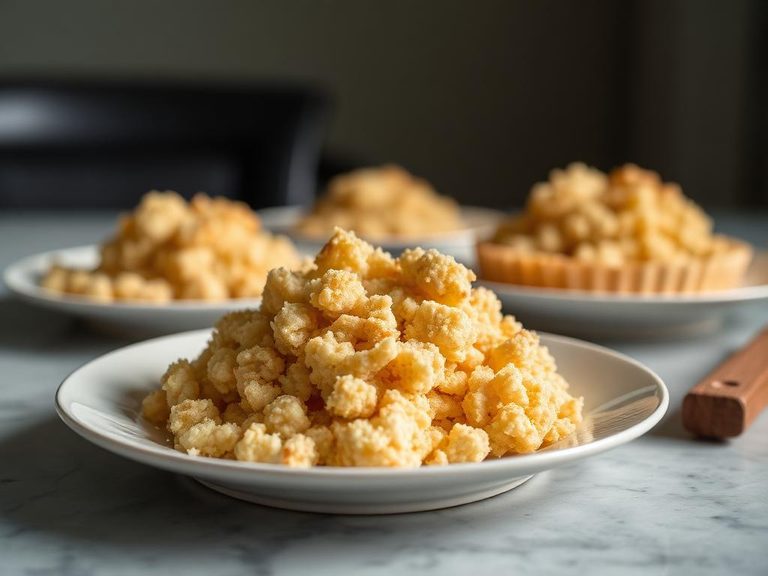
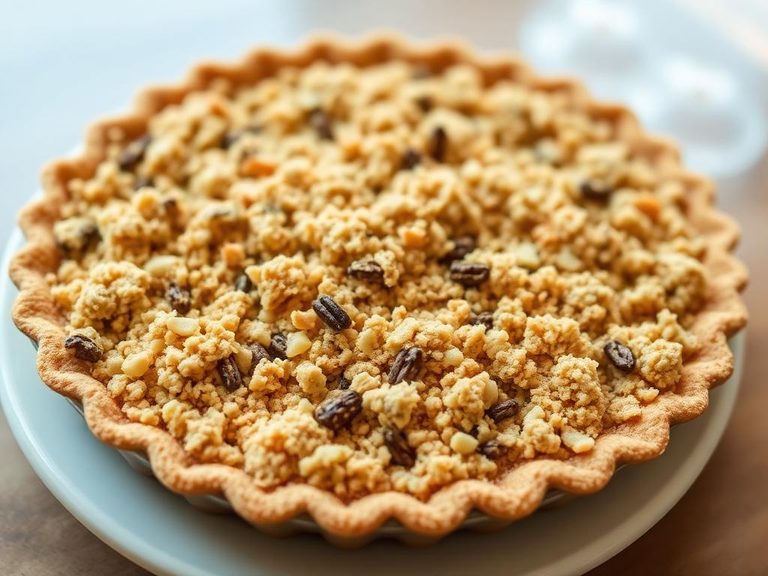
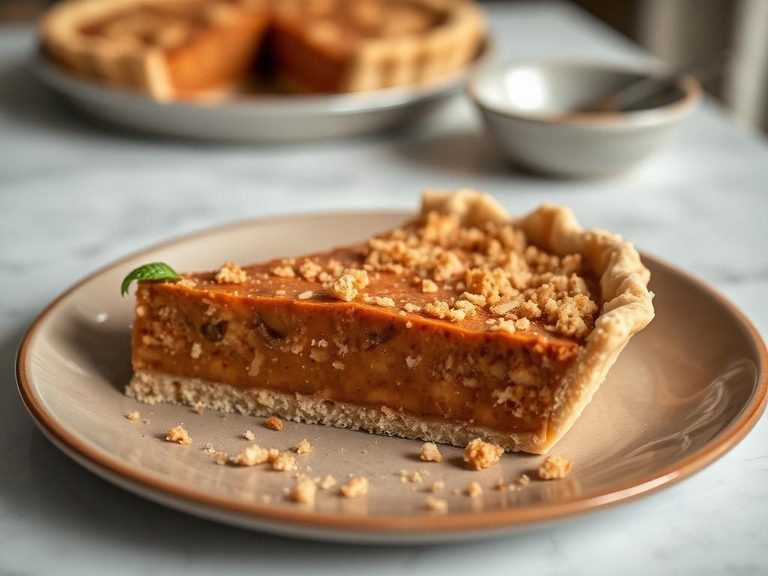
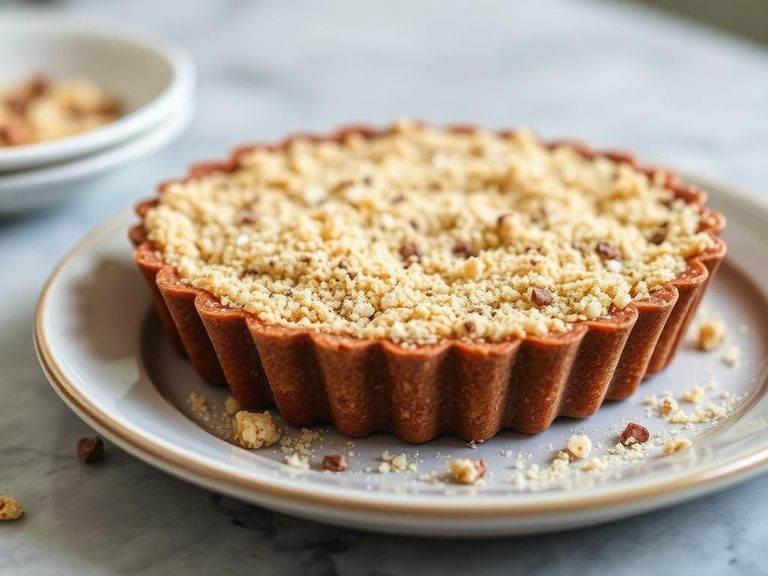
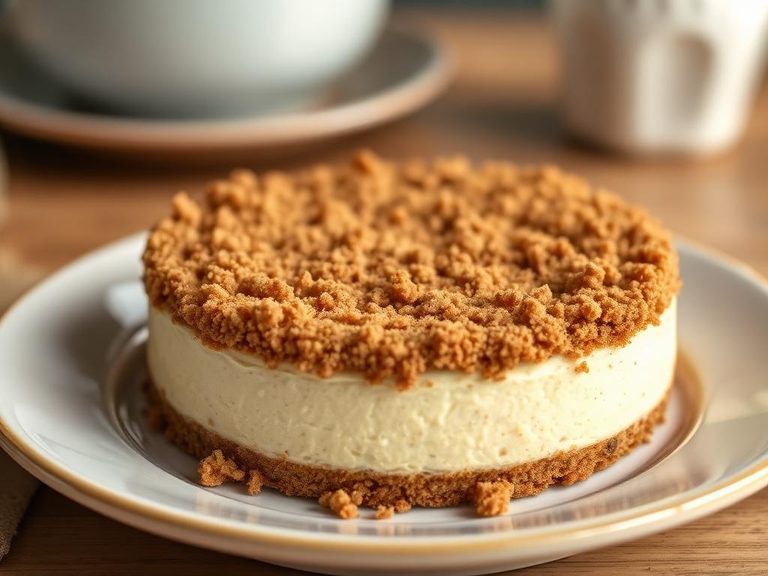
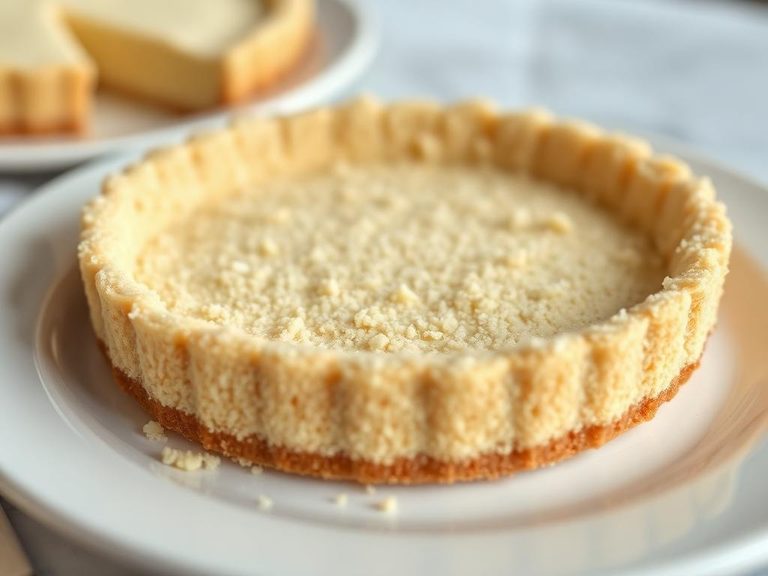
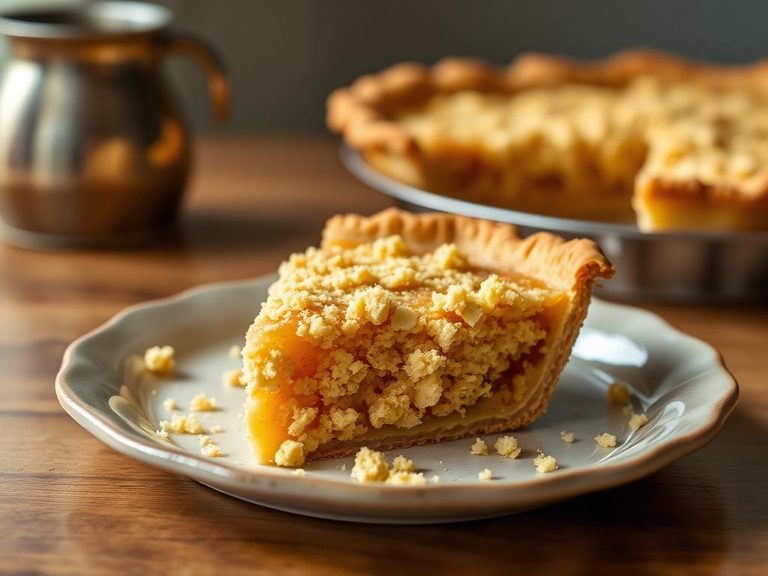
"Crushed for Pie Crust" is a traditional, rustic pie crust preparation method, often associated with American home baking, where the fat (like butter or lard) is cut or "crushed" into the flour until it resembles coarse crumbs before adding liquid. This technique creates a flaky, tender texture. It's a foundational component for sweet fruit pies, savory pot pies, and tarts.
🍽️ Nutrition at a glance
As a pastry component, it is high in carbohydrates from flour and fat from the shortening, with minimal protein. A typical single-crust serving provides roughly 150-200 calories, primarily from refined grains and saturated fats.
Nutrition breakdown
| Calories | 520 kcal |
| Protein | 7 g |
| Carbs | 44 g |
| Fat | 36 g |
| Fiber | 2 g |
| Sugar | 0 g |
| Sodium | 430 mg |
| Potassium | 100 mg |
| Iron | 2.5 mg |
| Thiamin (B1) | 0.3 mg |
| Niacin (B3) | 2.5 mg |
| Folate | 70 mcg |
| Calcium | 20 mg |
| Phosphorus | 80 mg |
| Magnesium | 15 mg |
Per 1 cup (113 g) · estimated, varies by recipe
💡 What's interesting
This method is a cornerstone of pie-making, prized for creating the perfect balance between a sturdy structure and a melt-in-the-mouth flakiness. Nutritionally, it represents a classic example of a high-energy, comfort food base that transforms simple ingredients into a versatile culinary foundation.