Crushed cookie crust for cheesecake or pie
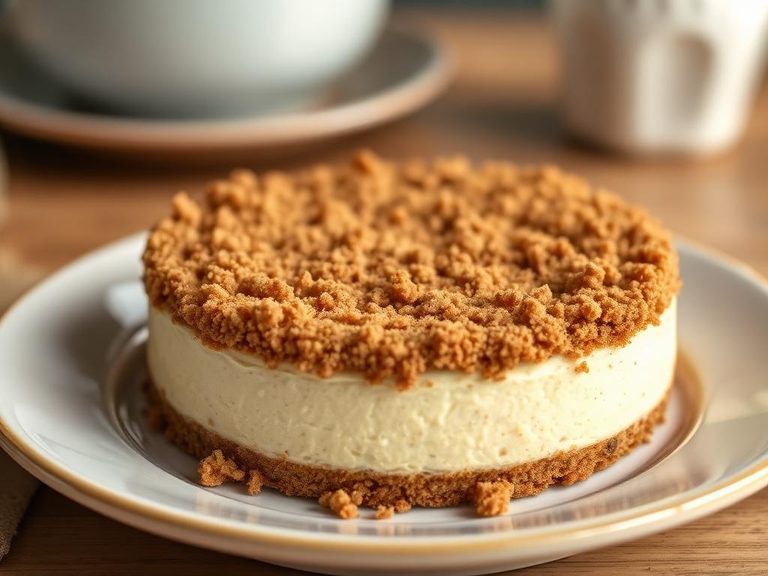
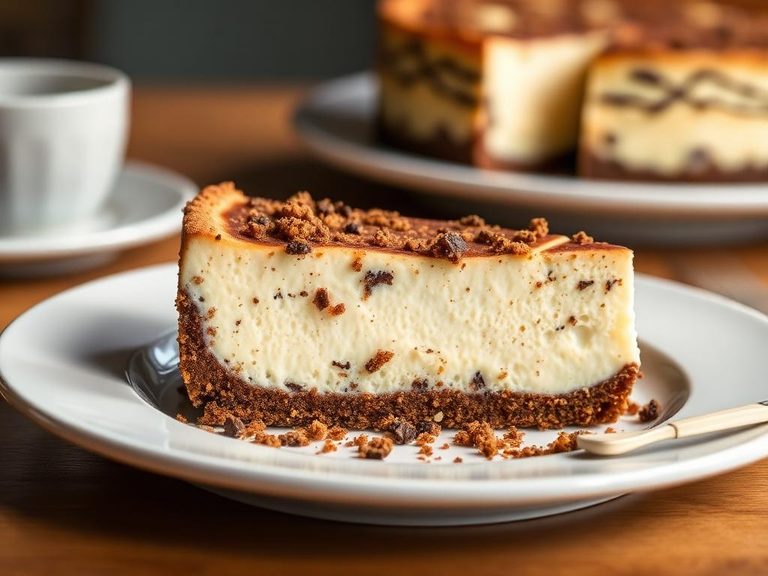
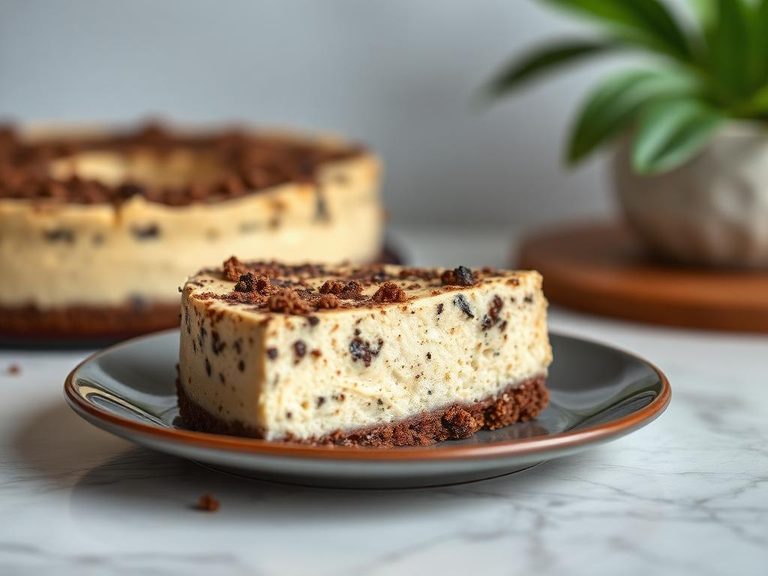
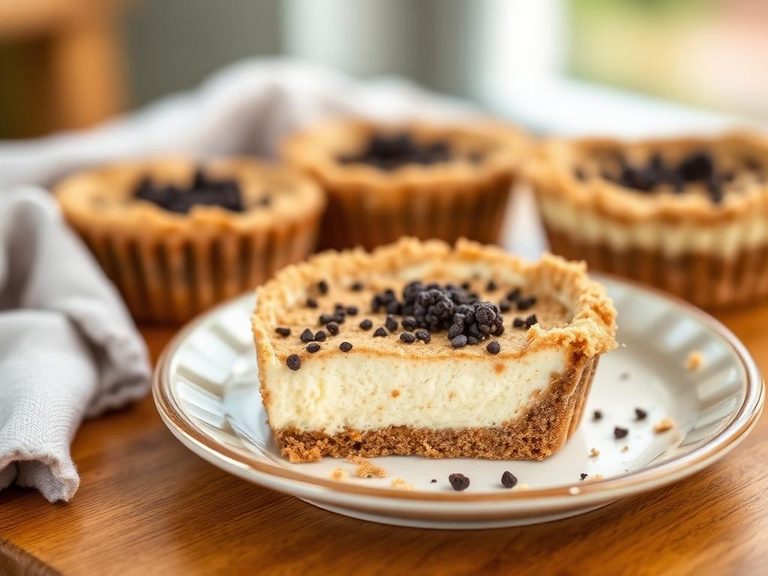
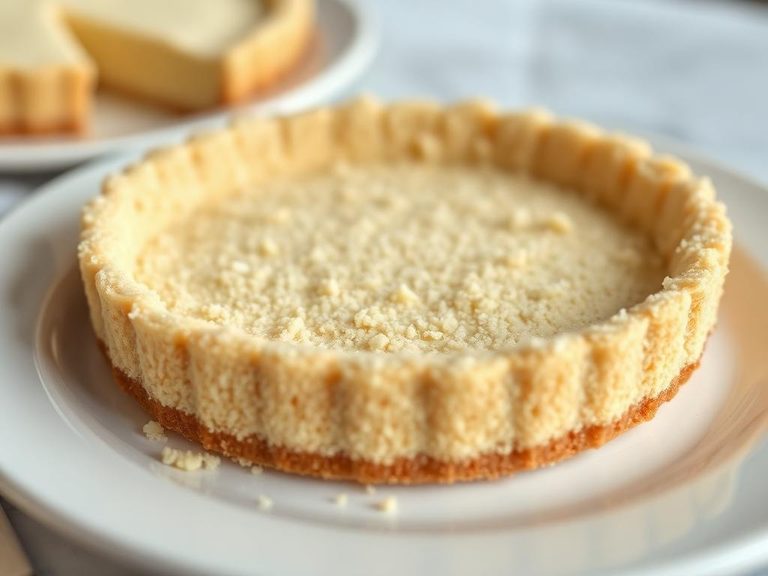
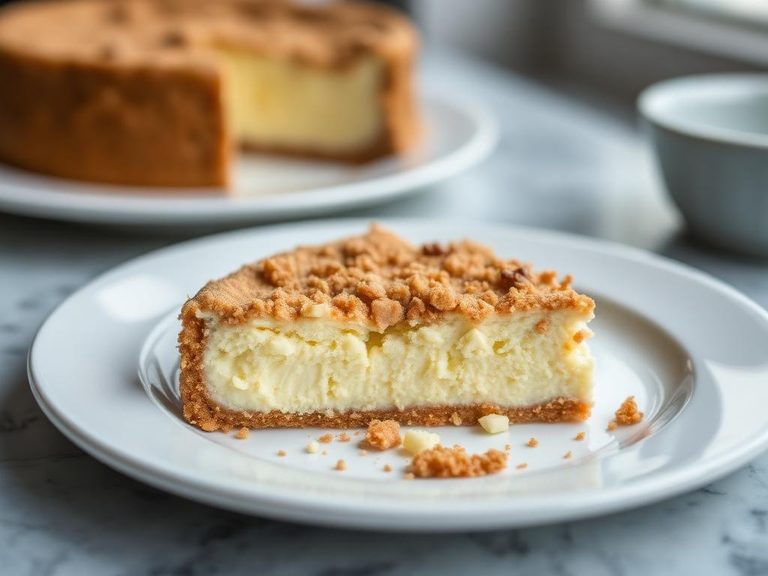
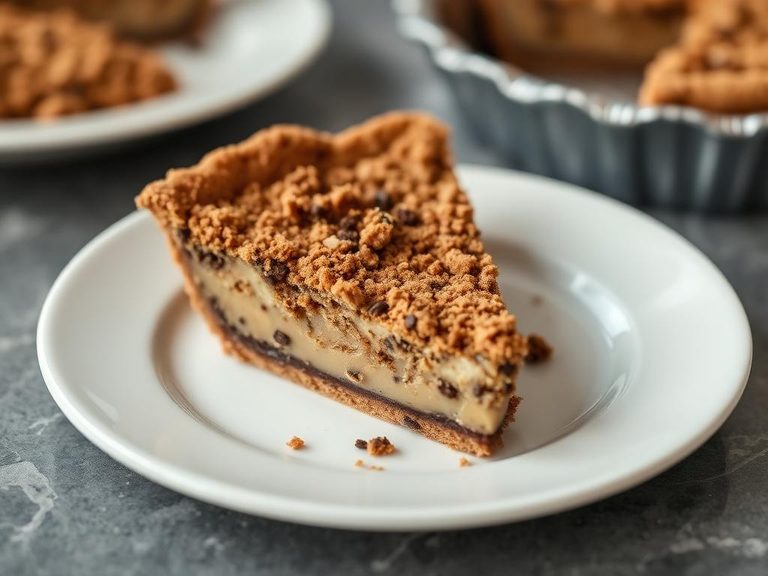
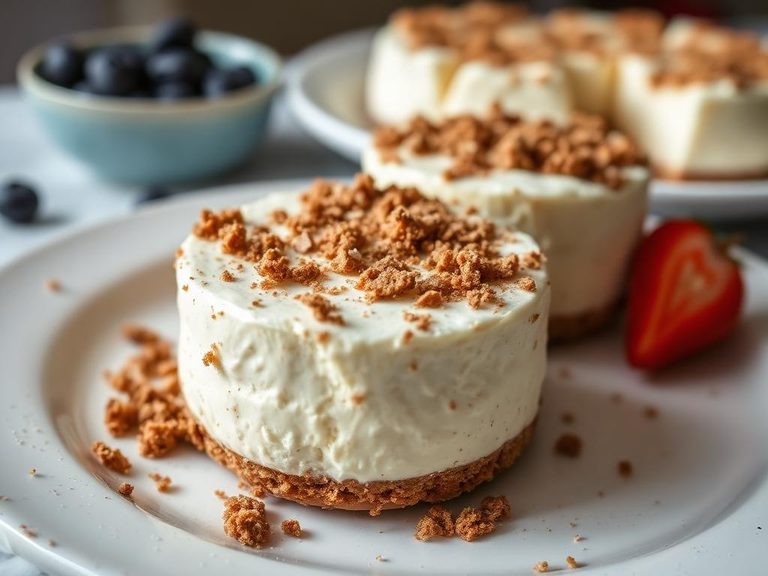
A crushed cookie crust is a sweet, crumbly base made from finely ground cookies mixed with melted butter and sometimes sugar, pressed into a pan to form a foundation for cheesecakes or pies. While it originated in North America, particularly in the United States, it has become a staple in dessert-making worldwide. The most common cookie used is the graham cracker, but variations include Oreos, digestive biscuits, or shortbread.
🍽️ Nutrition at a glance
This crust is typically high in carbohydrates and fat, with a moderate calorie count of around 150-200 calories per serving, depending on the cookie and butter used. It provides quick energy from sugars and fats, but is generally low in protein and fiber, offering minimal essential nutrients beyond calories.
Nutrition breakdown
| Calories | 540 kcal |
| Protein | 6 g |
| Carbs | 60 g |
| Fat | 30 g |
| Fiber | 2 g |
| Sugar | 30 g |
| Sodium | 480 mg |
| Iron | 3.5 mg |
| Calcium | 45 mg |
| Potassium | 120 mg |
| Phosphorus | 80 mg |
| Magnesium | 20 mg |
| Vitamin B1 (Thiamin) | 0.3 mg |
| Vitamin B2 (Riboflavin) | 0.2 mg |
| Niacin (B3) | 2.5 mg |
Per 1 cup (120 g) · estimated, varies by recipe
💡 What's interesting
Culturally, the crushed cookie crust is a symbol of home baking and comfort in American dessert traditions, often associated with family gatherings and holidays. Nutritionally, it is interesting because it transforms simple, processed cookies into a versatile, no-bake component that adds texture and flavor without requiring complex culinary skills.