

Chinese Stir-Fry Sauces
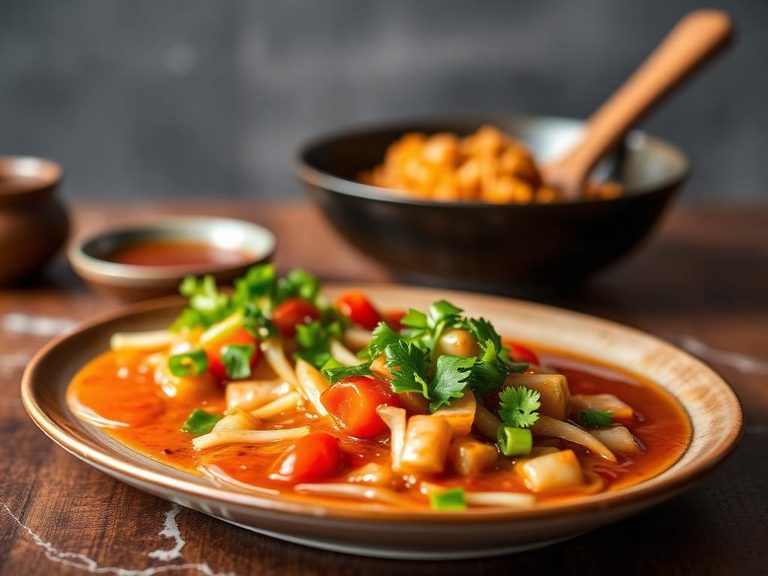
Chinese stir-fry sauces are the essential flavor bases that define the diverse regional cuisines of China, from Cantonese to Sichuan. They are typically blends of fermented soybeans, garlic, ginger, chili, vinegar, and sugar, designed to coat and infuse ingredients during the high-heat cooking process.
🍳 View the full Chinese Stir-Fry Sauces recipe →
🍽️ Nutrition at a glance
These sauces are generally high in sodium and can be significant sources of carbohydrates from sugar or starches, with minimal protein or fat unless they contain sesame oil or meat-based stocks. A typical serving (about 1-2 tablespoons) can range from 20 to 60 calories, depending on the specific type and recipe.
Nutrition breakdown
| Calories | 30 kcal |
| Protein | 1 g |
| Carbs | 4 g |
| Fat | 1 g |
| Fiber | 0.5 g |
| Sugar | 2 g |
| Sodium | 800 mg |
| Sodium | 800 mg |
| Potassium | 50 mg |
| Iron | 0.5 mg |
| Vitamin B6 | 0.1 mg |
| Manganese | 0.3 mg |
| Magnesium | 10 mg |
| Copper | 0.1 mg |
| Selenium | 2 mcg |
Per 2 tablespoons (30 g) · estimated, varies by recipe
💡 What's interesting
What makes these sauces unique is their role as the 'flavor engine' of Chinese cooking, allowing complex tastes like sweet, sour, salty, spicy, and umami to be achieved in minutes. Nutritionally, many are built on fermented ingredients like soy sauce and bean paste, which can offer probiotics and enhanced digestibility.
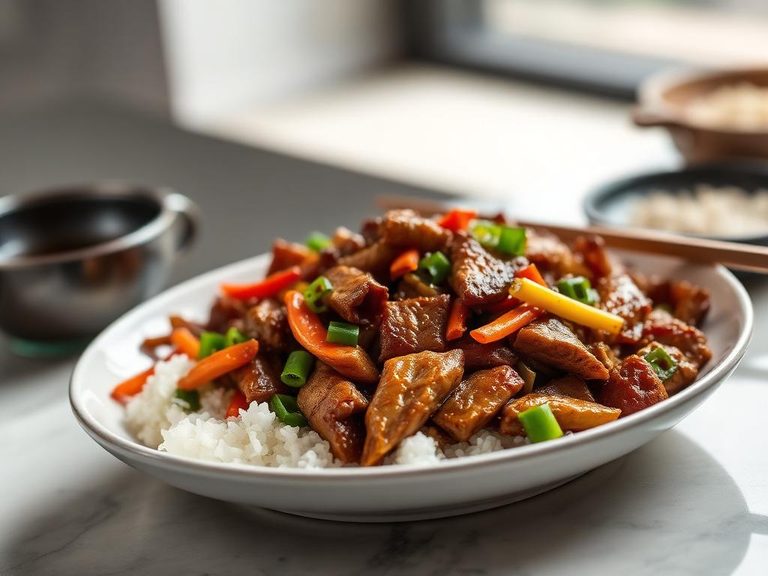
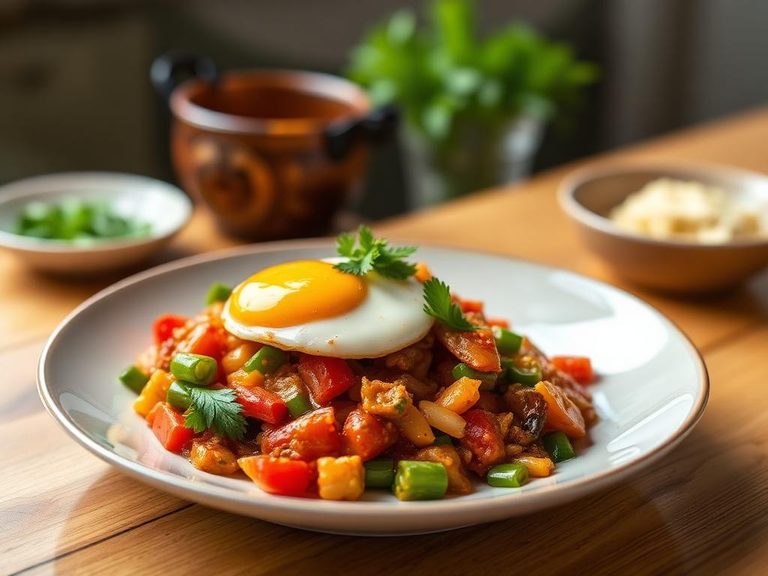
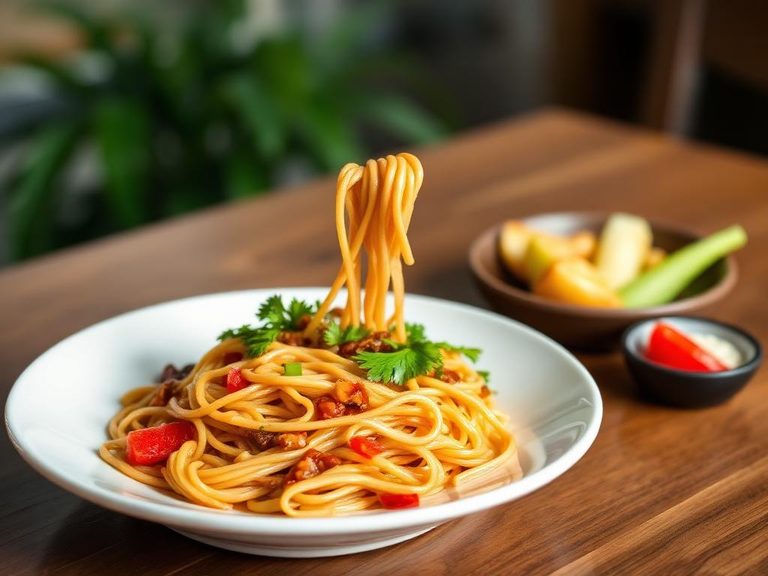
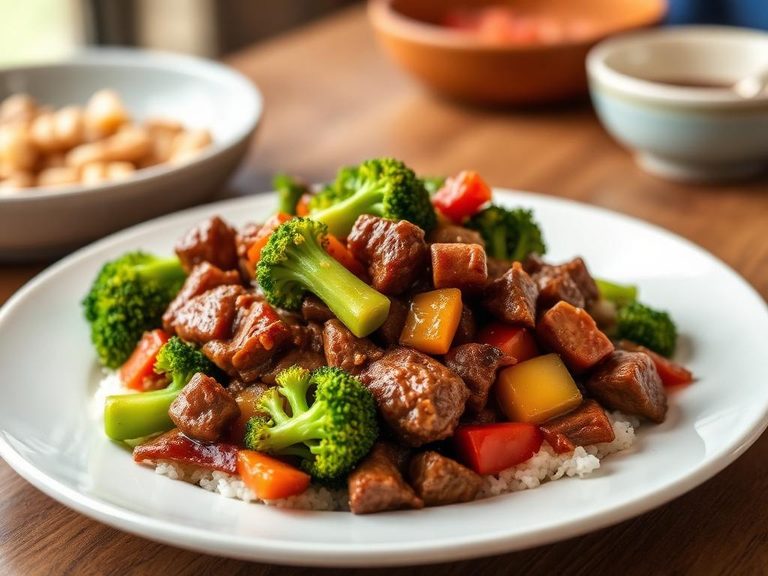
🍽️ Related dishes
AI estimate may be inaccurate · Terms