Cedar-plank grilled sablefish
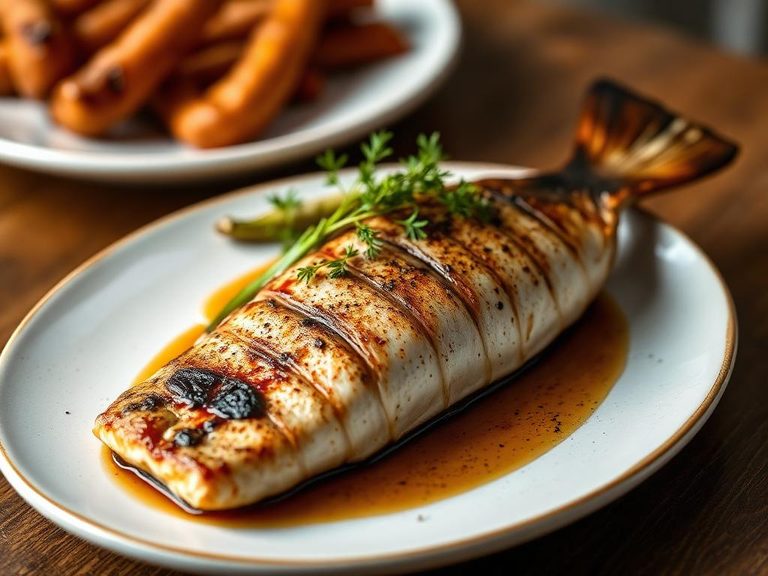
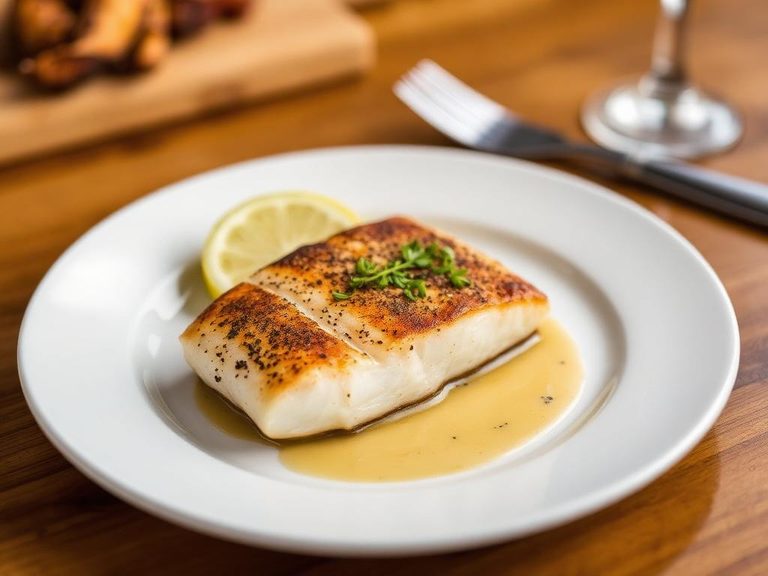
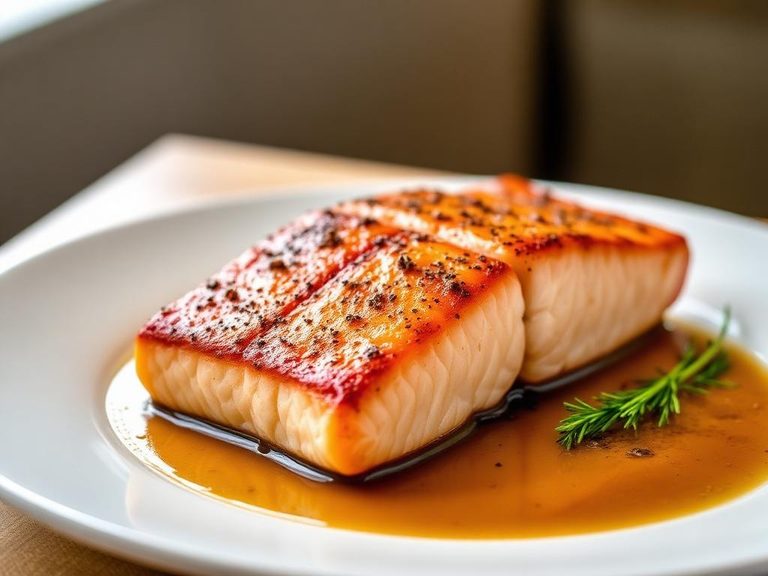
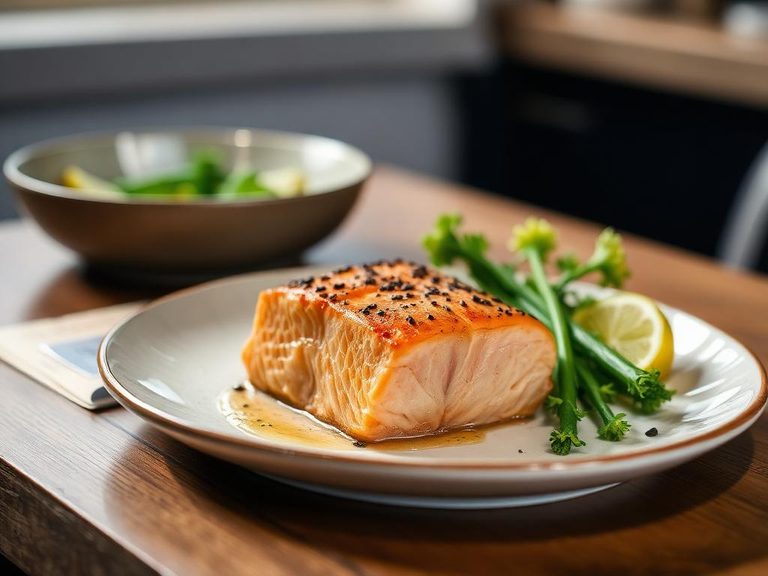
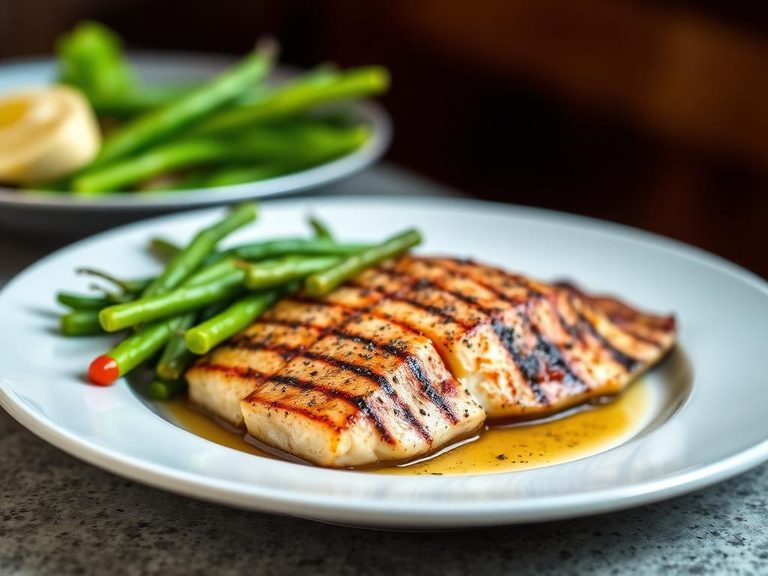
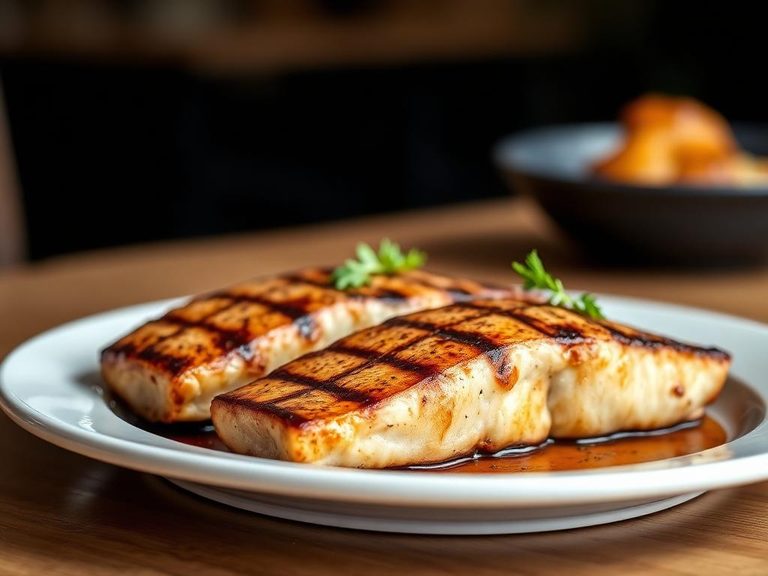
Cedar-plank grilled sablefish is a cooking method where the fish is grilled on a water-soaked cedar plank, infusing it with a smoky, aromatic flavor. The dish typically features sablefish (also known as black cod) seasoned with ingredients like soy sauce, maple syrup, garlic, and ginger. This technique is popular in Pacific Northwest cuisine, particularly in British Columbia and the U.S. Pacific Northwest, where sablefish is abundant.
🍽️ Nutrition at a glance
This dish is high in protein and healthy fats, particularly omega-3 fatty acids, while being very low in carbohydrates. A typical serving provides a good source of vitamin D, selenium, and B vitamins, with a calorie range of approximately 250-350 kcal per serving, depending on the glaze or seasoning used.
Nutrition breakdown
| Calories | 280 kcal |
| Protein | 25 g |
| Carbs | 3 g |
| Fat | 18 g |
| Fiber | 0 g |
| Sugar | 2 g |
| Sodium | 320 mg |
| Vitamin D | 12 mcg |
| Selenium | 38 mcg |
| Vitamin B12 | 2.4 mcg |
| Potassium | 380 mg |
| Phosphorus | 250 mg |
| Omega-3 (EPA+DHA) | 1.5 g |
| Niacin (B3) | 8 mg |
| Vitamin B6 | 0.5 mg |
Per 1 fillet (150 g) · estimated, varies by recipe
💡 What's interesting
Cedar-plank grilling is a traditional Indigenous cooking method from the Pacific Northwest, originally used by First Nations peoples to cook fish over open fires. Nutritionally, sablefish is one of the richest sources of omega-3s among fish, supporting heart and brain health.