Grilled or cedar-plank roasted fillets
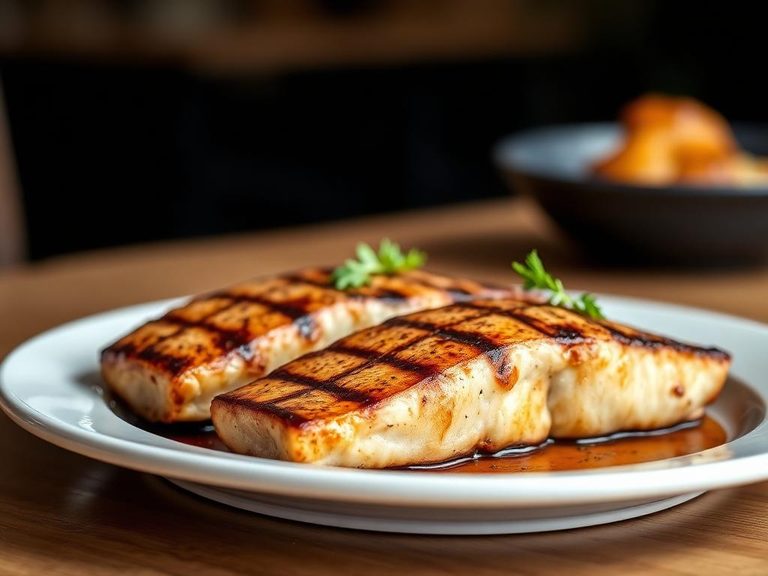
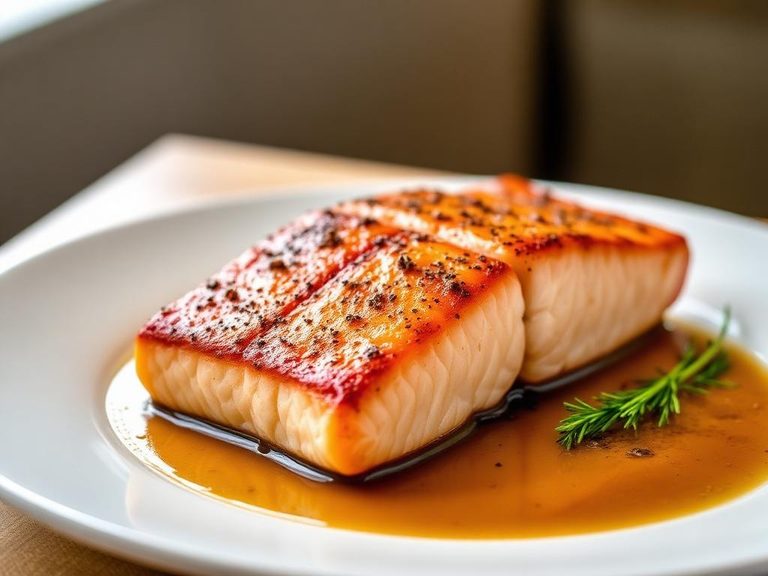
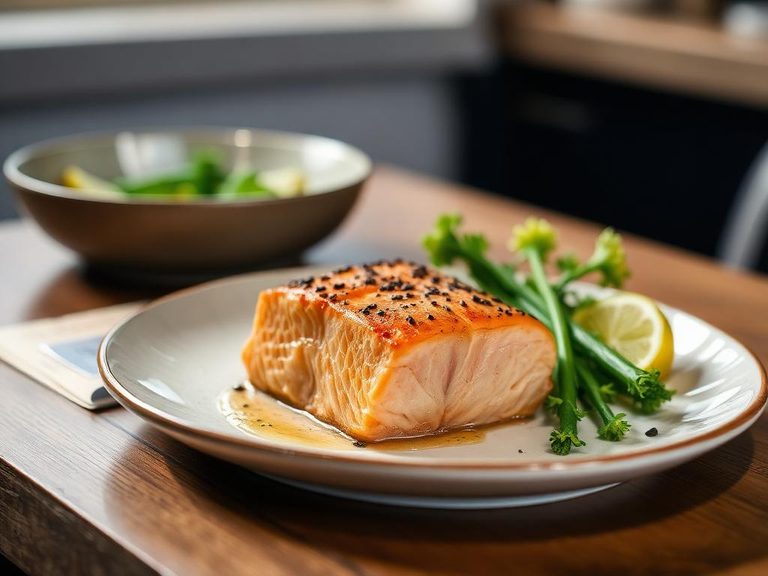
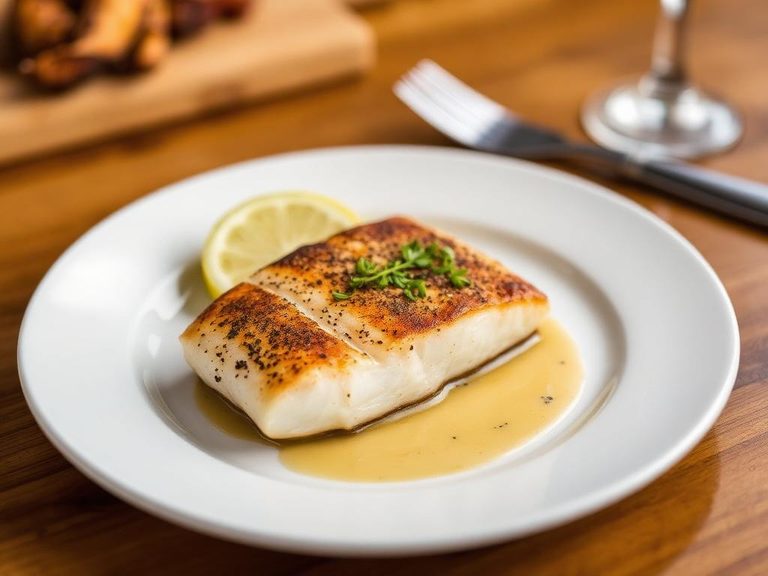
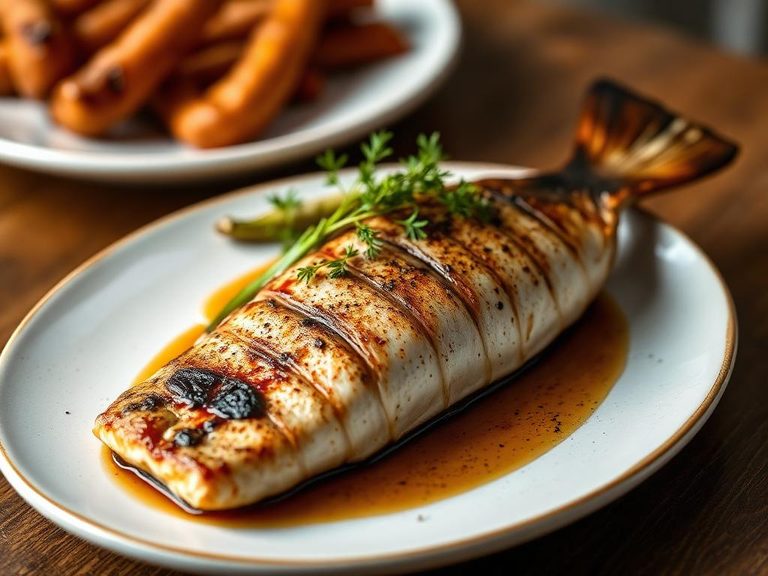
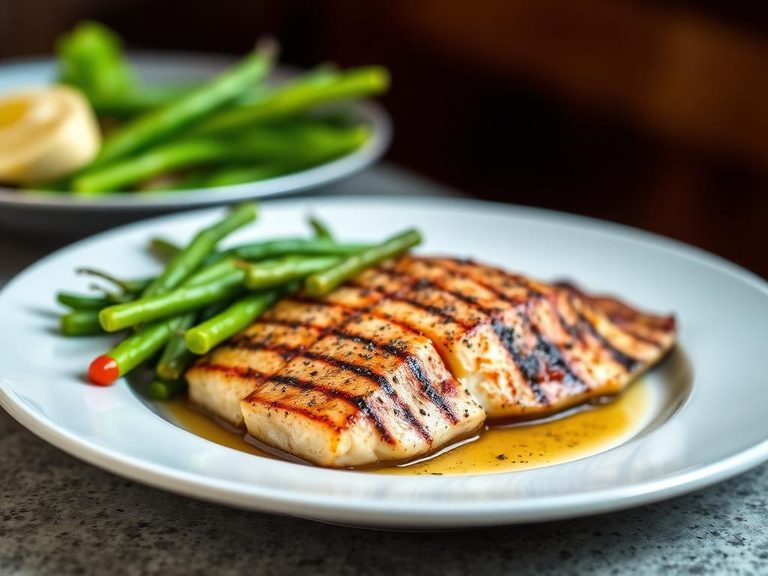
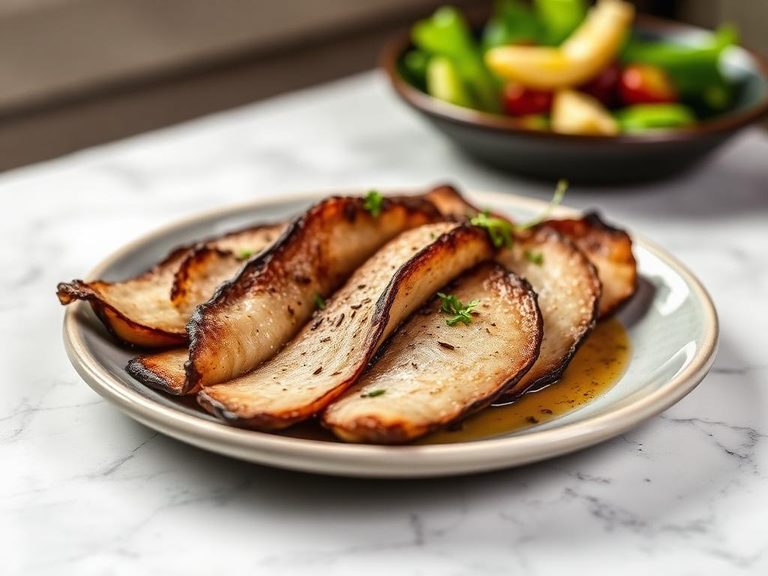
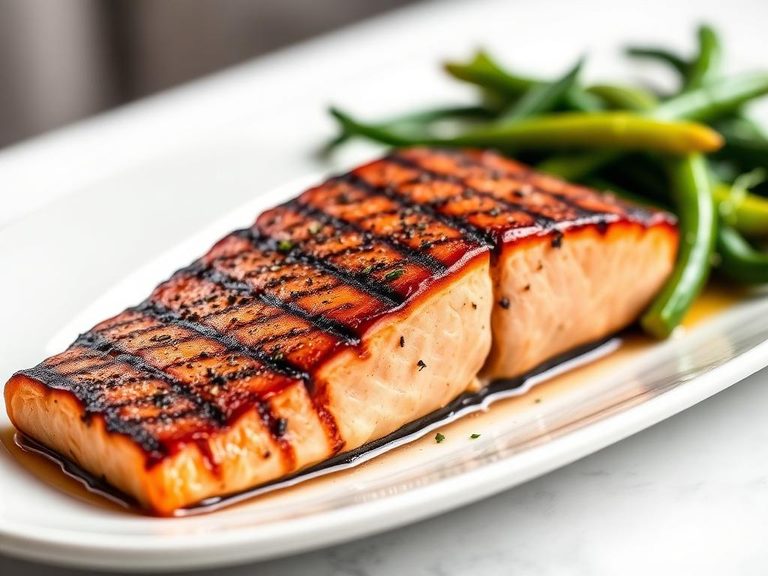
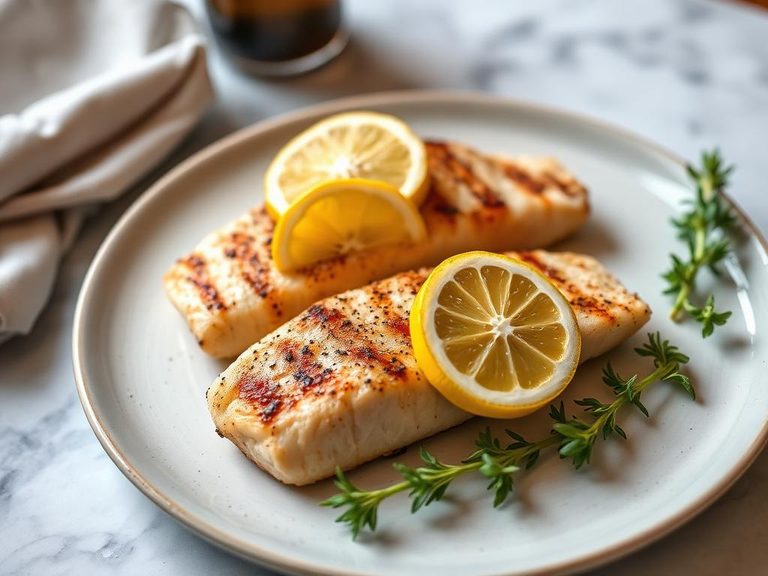
Grilled or cedar-plank roasted fillets are a cooking method where fish fillets (often salmon, trout, or white fish) are cooked over direct heat or on a water-soaked cedar plank, which imparts a distinctive smoky, aromatic flavor. The dish typically features the fish seasoned with herbs, spices, or a glaze, and is a staple in Pacific Northwest cuisine, particularly among Indigenous communities and modern North American cooking.
🍽️ Nutrition at a glance
This dish is high in protein and healthy fats, particularly omega-3 fatty acids if using fatty fish like salmon, and provides essential nutrients like vitamin D and selenium. A typical serving (about 150g) generally contains around 250-300 calories, depending on the fish type and added fats or glazes.
Nutrition breakdown
| Calories | 280 kcal |
| Protein | 34 g |
| Carbs | 0 g |
| Fat | 15 g |
| Fiber | 0 g |
| Sugar | 0 g |
| Sodium | 75 mg |
| Omega-3 (EPA+DHA) | 1500 mg |
| Vitamin D | 14.2 mcg |
| Selenium | 40 mcg |
| Vitamin B12 | 4.8 mcg |
| Niacin (B3) | 8.5 mg |
| Phosphorus | 320 mg |
| Potassium | 480 mg |
| Vitamin B6 | 0.8 mg |
Per 1 fillet (150 g) · estimated, varies by recipe
💡 What's interesting
Cedar-plank cooking is a traditional Indigenous method from the Pacific Northwest, where the plank's moisture and wood smoke gently steam and flavor the fish, creating a unique texture and taste. Nutritionally, this method often requires less added fat than frying, helping to preserve the fish's natural heart-healthy omega-3s.