

Bran Muffin Base

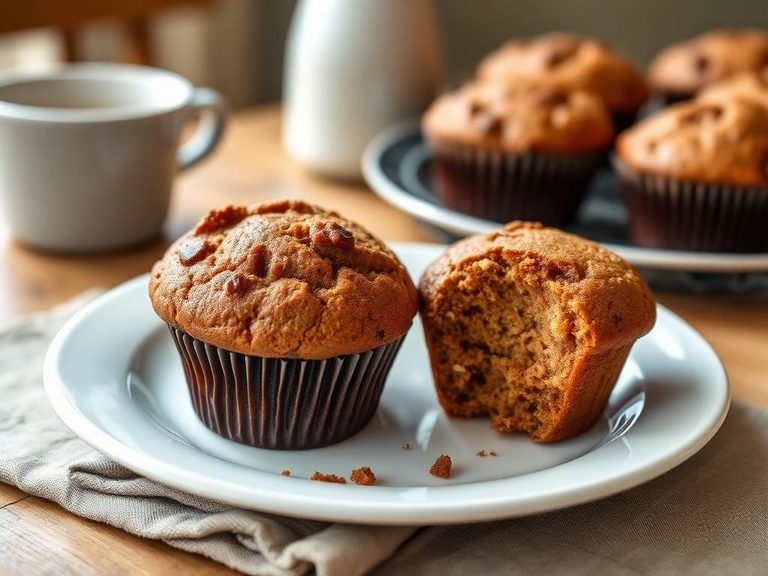
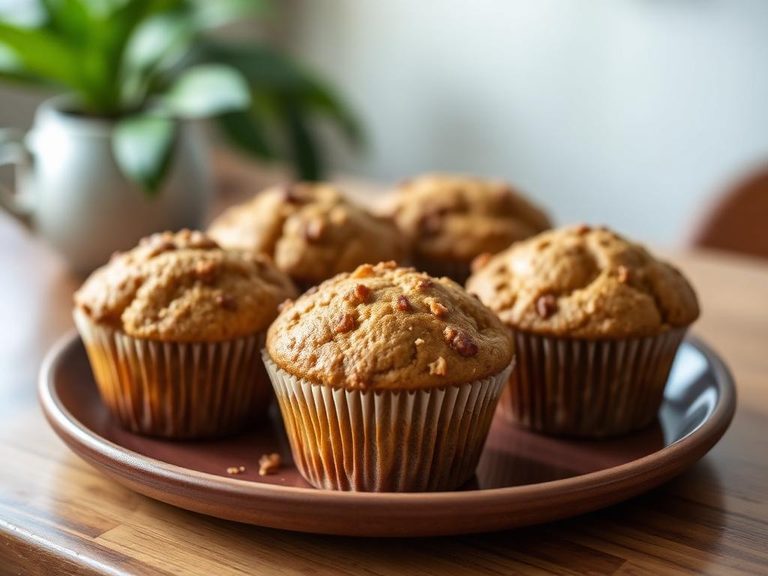
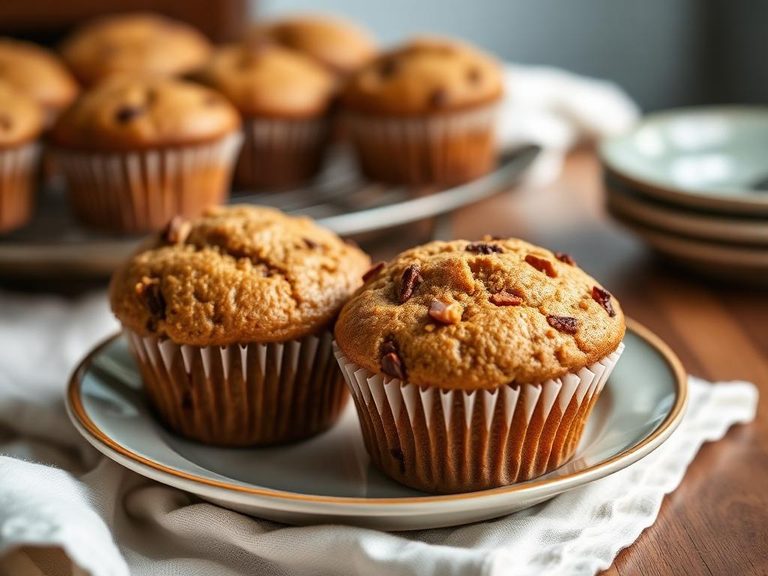
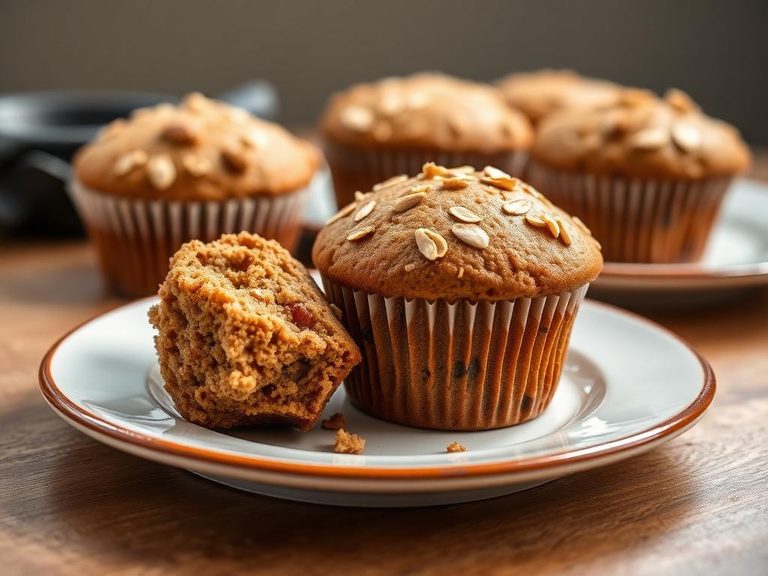
A bran muffin base is a hearty, versatile batter or pre-baked mixture used to create fiber-rich muffins, primarily composed of wheat bran, whole wheat flour, and often sweeteners like molasses or brown sugar. It originates from North America, where it became a popular breakfast or snack item, especially in the 20th century, valued for its high fiber content. The base is typically mixed with additional ingredients like eggs, oil, and baking agents before baking into moist, dense muffins.
🍽️ Nutrition at a glance
This dish is high in carbohydrates and dietary fiber, providing a good source of B vitamins, iron, and magnesium from the bran. A typical serving (one medium muffin) offers roughly 150-200 calories, with fiber being its standout nutritional feature.
Nutrition breakdown
| Calories | 175 kcal |
| Protein | 4.5 g |
| Carbs | 32 g |
| Fat | 4 g |
| Fiber | 5 g |
| Sugar | 10 g |
| Sodium | 210 mg |
| Iron | 2.5 mg |
| Magnesium | 60 mg |
| Phosphorus | 120 mg |
| Thiamin (B1) | 0.2 mg |
| Niacin (B3) | 2.5 mg |
| Folate | 40 mcg |
| Zinc | 1.2 mg |
| Manganese | 1.8 mg |
Per 1 medium muffin (about 113 g) · estimated, varies by recipe
💡 What's interesting
Bran muffins gained popularity in the U.S. during the health food movement of the 1960s-70s, marketed as a 'digestive aid' due to their high fiber. Nutritionally, the wheat bran in the base is one of the best natural sources of insoluble fiber, which supports gut health and can help regulate blood sugar levels.
🍽️ Related dishes
AI estimate may be inaccurate · Terms