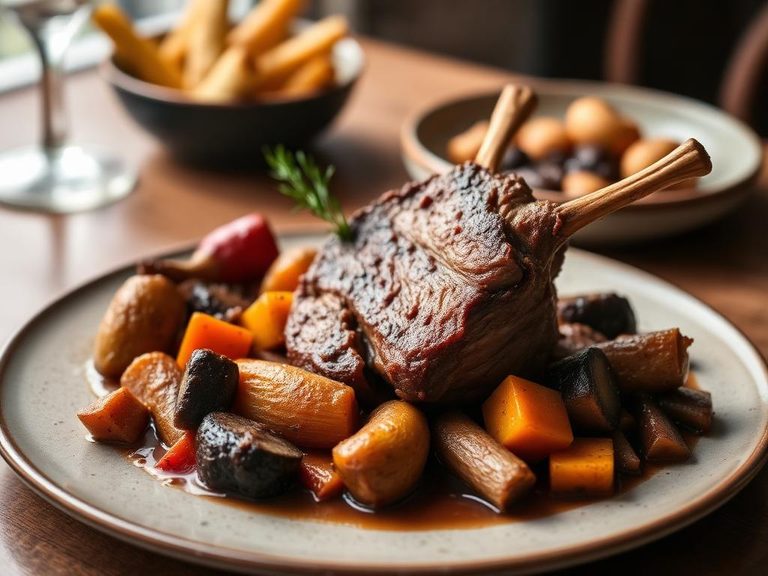
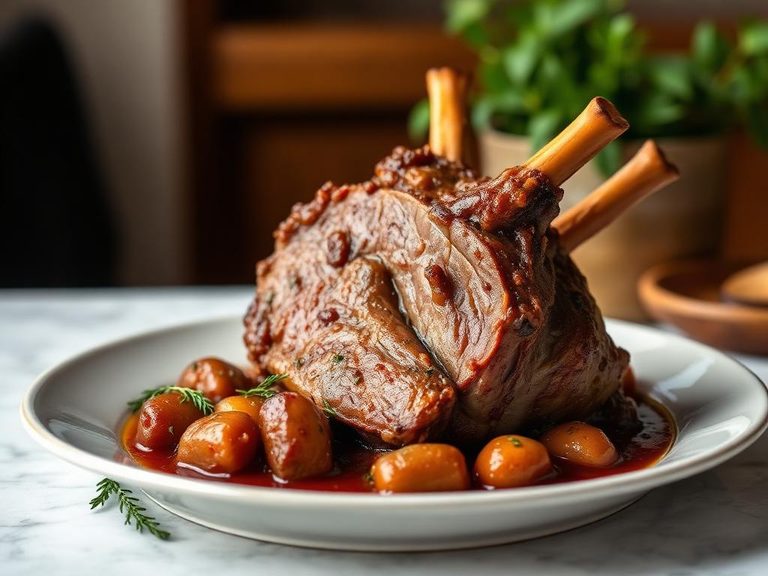
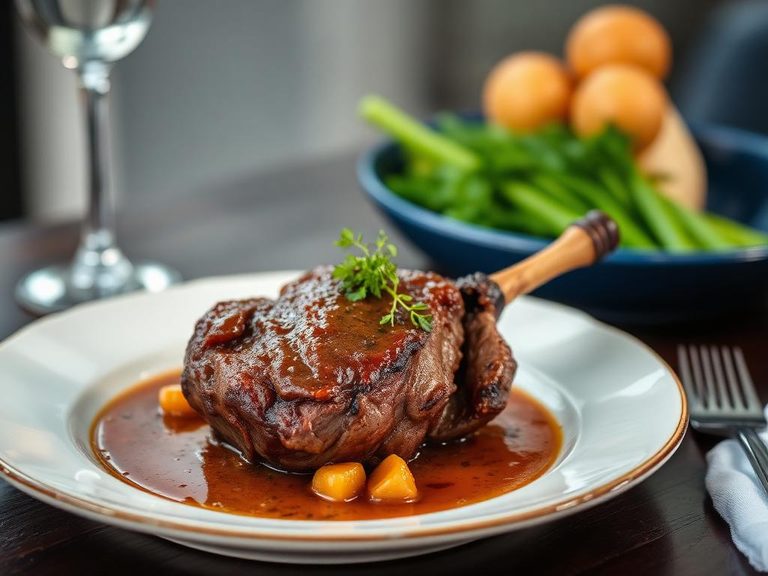
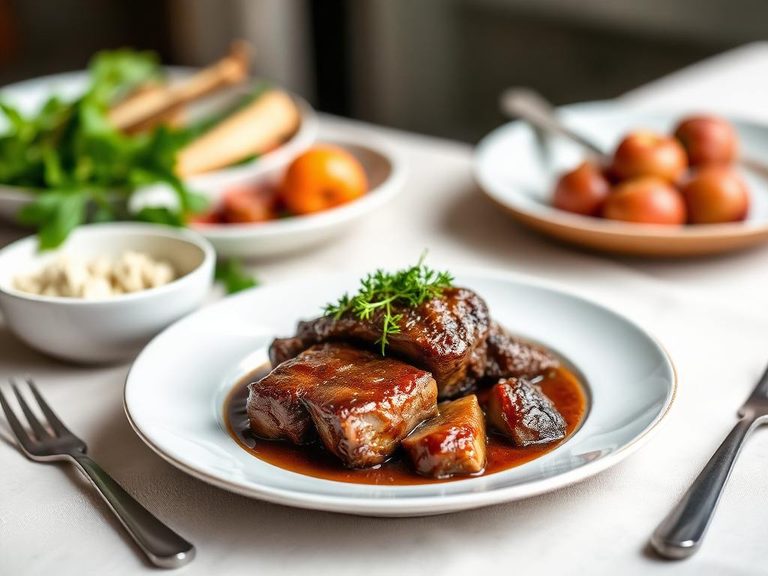
Braised Pork Shoulder
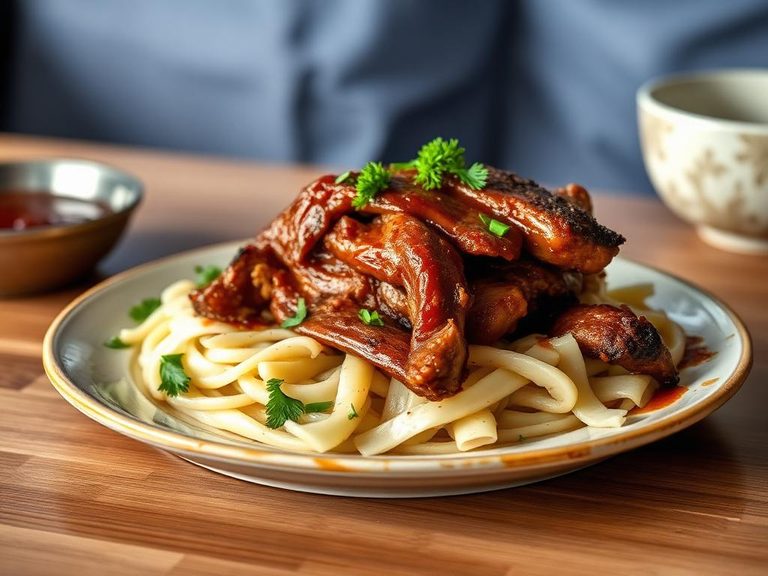
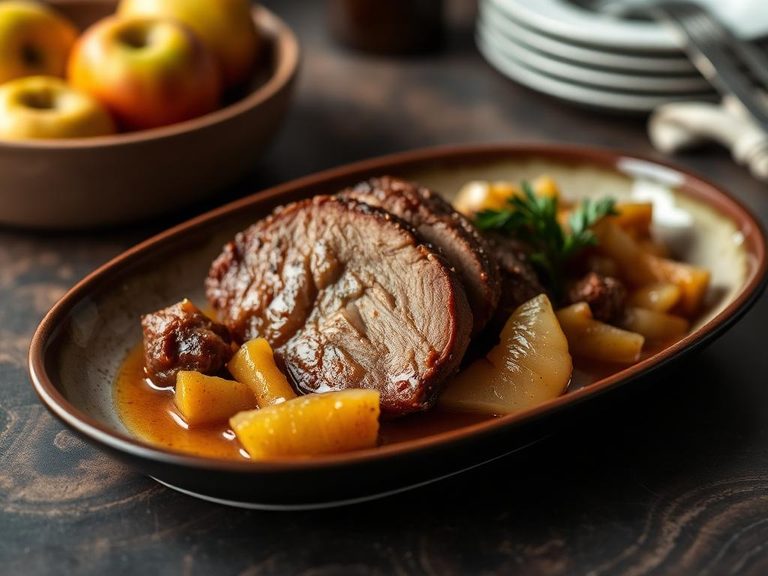
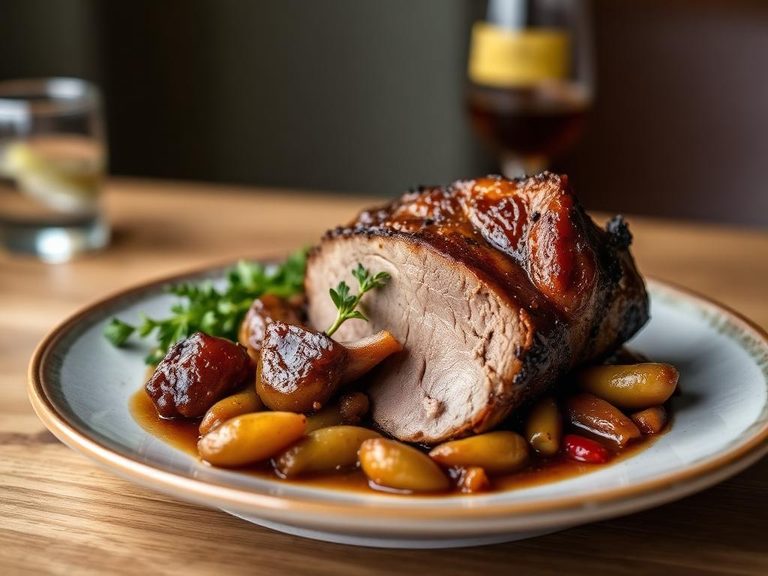
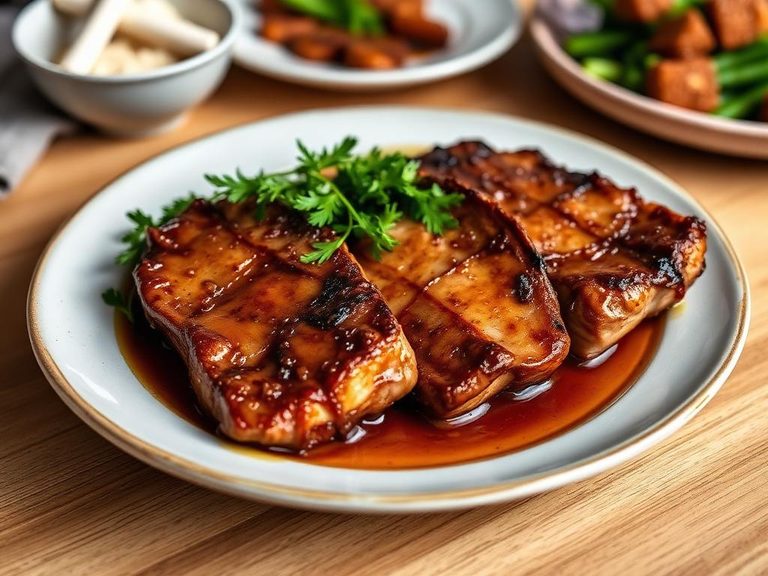
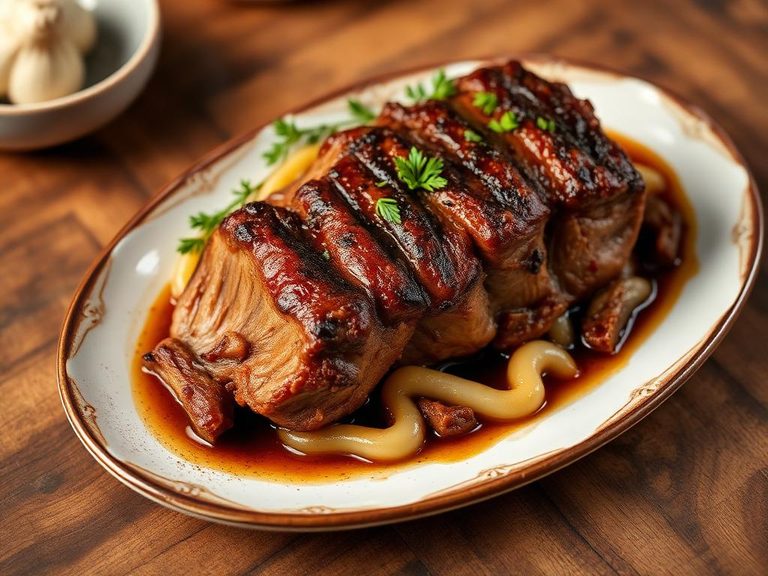
Braised Pork Shoulder, commonly known as Pulled Pork, is a savory dish made by slow-cooking a pork shoulder cut until it becomes tender enough to be shredded or 'pulled' apart. The meat is typically seasoned with a dry rub or simmered in a flavorful braising liquid, often featuring ingredients like onions, garlic, vinegar, and a blend of spices. This method of preparation is a hallmark of American barbecue, particularly in the Southern United States, where it's a centerpiece of social gatherings and culinary tradition.
🍽️ Nutrition at a glance
This dish is high in protein and fat, with the fat content contributing significantly to its rich flavor and tender texture. It provides essential nutrients like iron, zinc, and B vitamins, particularly B12 and niacin. A typical serving of pulled pork (about 3-4 ounces) generally ranges from 250 to 400 calories, depending on the specific cut, cooking method, and any added sauces.
Nutrition breakdown
| Calories | 400 kcal |
| Protein | 30 g |
| Carbs | 10 g |
| Fat | 28 g |
| Fiber | 1 g |
| Sugar | 5 g |
| Sodium | 800 mg |
| Potassium | 350 mg |
| Phosphorus | 250 mg |
| Iron | 2.5 mg |
| Zinc | 5 mg |
| Vitamin B12 | 1.5 mcg |
| Niacin (B3) | 8 mg |
| Selenium | 30 mcg |
| Cholesterol | 110 mg |
Per 1 cup (240 g) · estimated, varies by recipe
💡 What's interesting
Culturally, pulled pork is deeply tied to the communal and celebratory aspects of American barbecue, often serving as the main attraction at cookouts, festivals, and family reunions. Nutritionally, the slow-cooking process helps break down tough collagen in the pork shoulder into gelatin, which not only makes the meat exceptionally tender but also adds a unique, satisfying mouthfeel and helps retain moisture.