Blackberry jam or compote
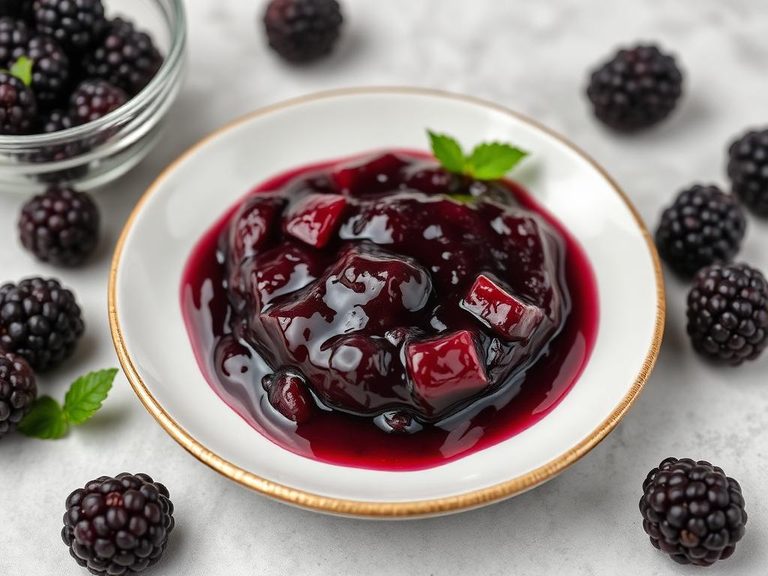
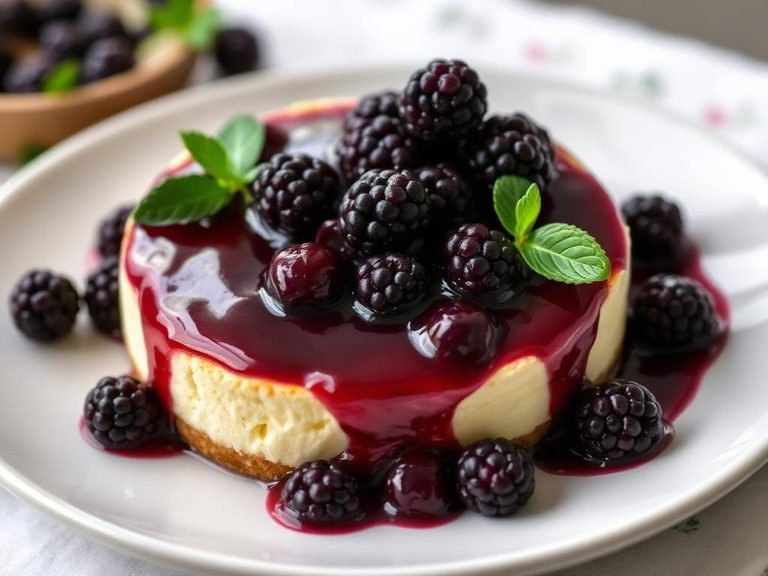
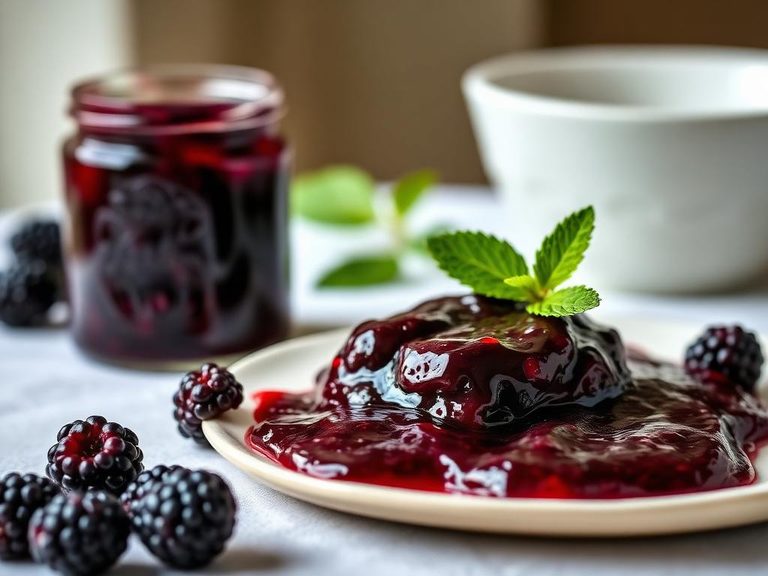
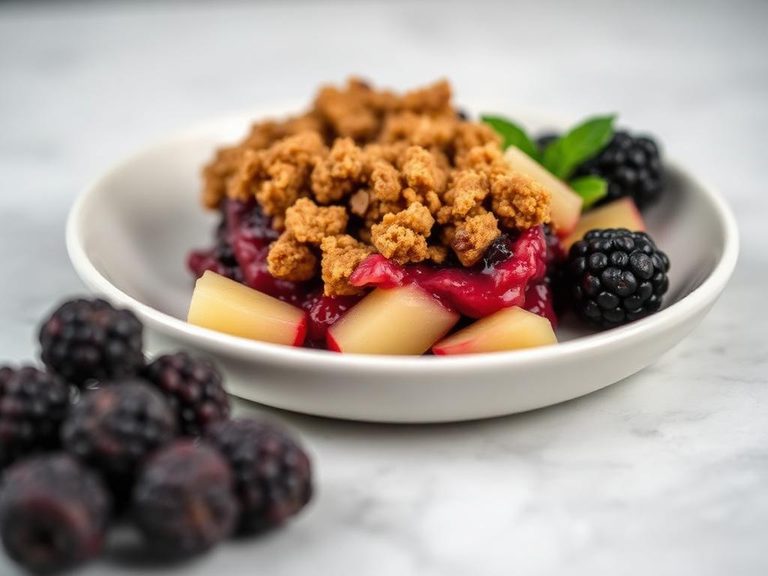
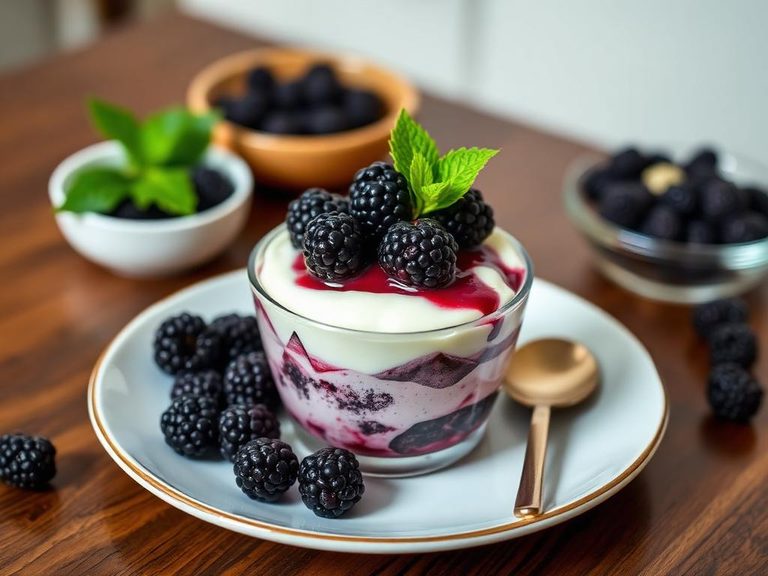
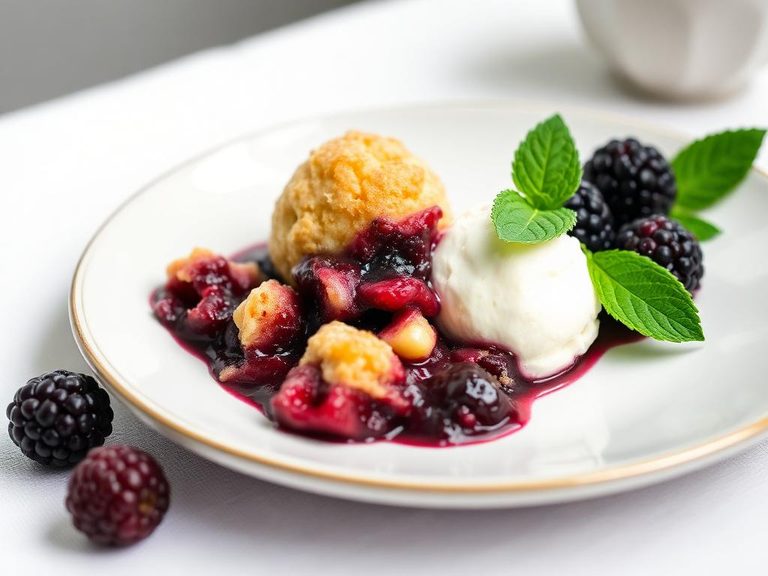
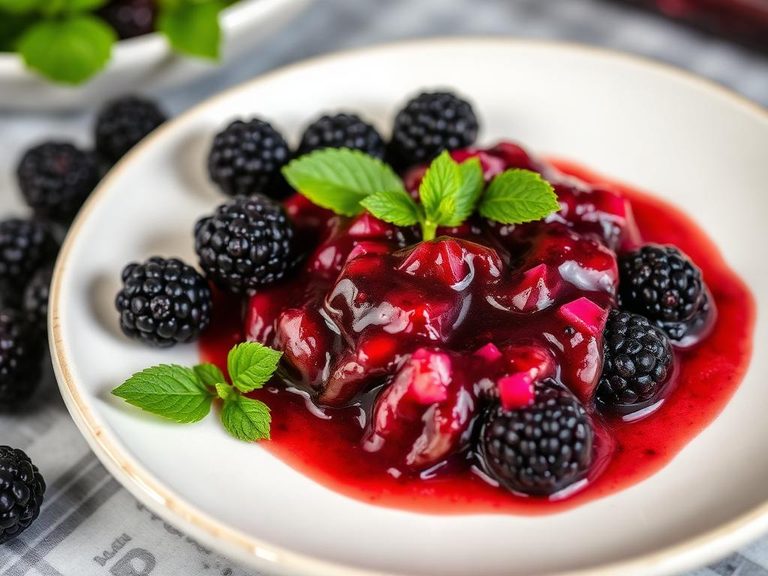
Blackberry jam or compote is a sweet, thick preserve made by cooking down blackberries with sugar and often a splash of lemon juice. The compote version is typically looser and chunkier, while jam is cooked longer for a spreadable consistency. This preparation is a staple in home kitchens across Europe and North America, especially during the late summer blackberry season.
🍽️ Nutrition at a glance
This dish is high in carbohydrates from natural fruit sugars and added sugar, with minimal fat or protein. It provides a good source of vitamin C and dietary fiber, particularly if the seeds and skins are included, and a typical serving contains roughly 50-100 calories.
Nutrition breakdown
| Calories | 200 kcal |
| Protein | 0.5 g |
| Carbs | 50 g |
| Fat | 0.2 g |
| Fiber | 3 g |
| Sugar | 45 g |
| Sodium | 5 mg |
| Potassium | 120 mg |
| Vitamin C | 15 mg |
| Manganese | 0.3 mg |
| Vitamin K | 10 mcg |
| Magnesium | 10 mg |
| Iron | 0.4 mg |
| Calcium | 20 mg |
| Vitamin E | 1.2 mg |
Per 1/2 cup (160 g) · estimated, varies by recipe
💡 What's interesting
Culturally, foraging for wild blackberries to make jam or compote is a cherished late-summer tradition in many regions. Nutritionally, the dark purple pigments in blackberries are rich in antioxidants called anthocyanins, which are associated with various health benefits.