Bavarian Soft Pretzel
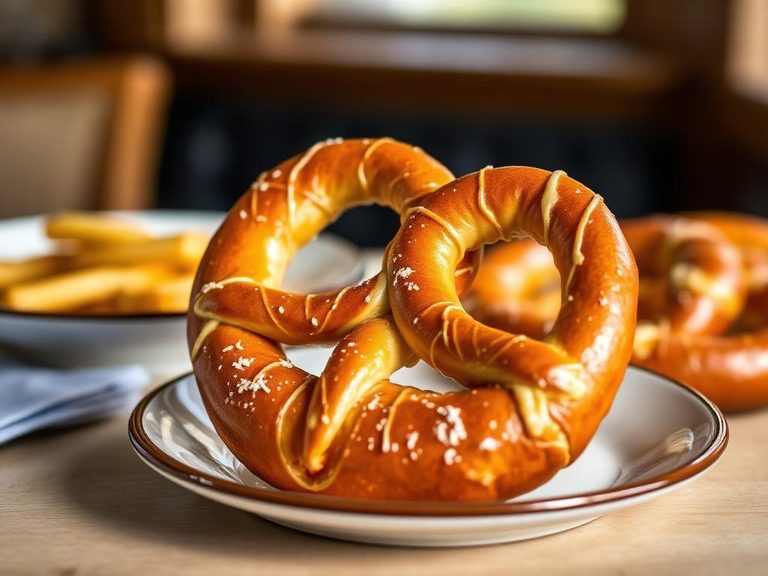
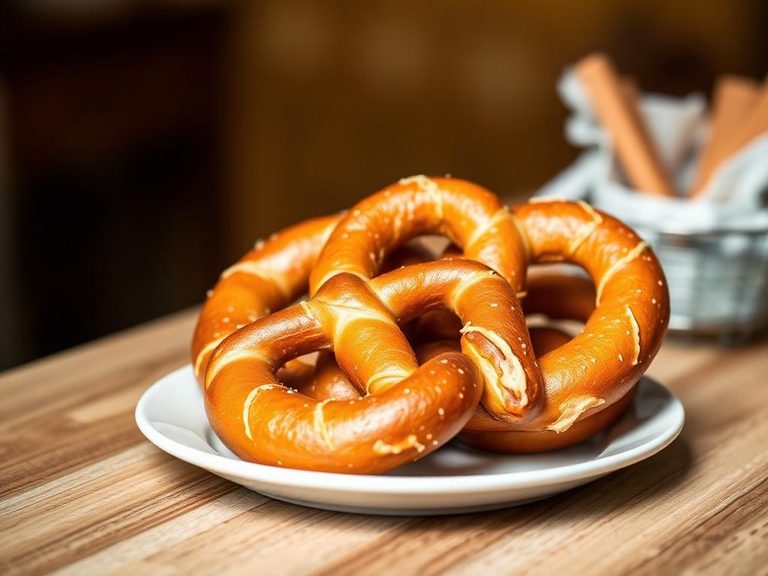
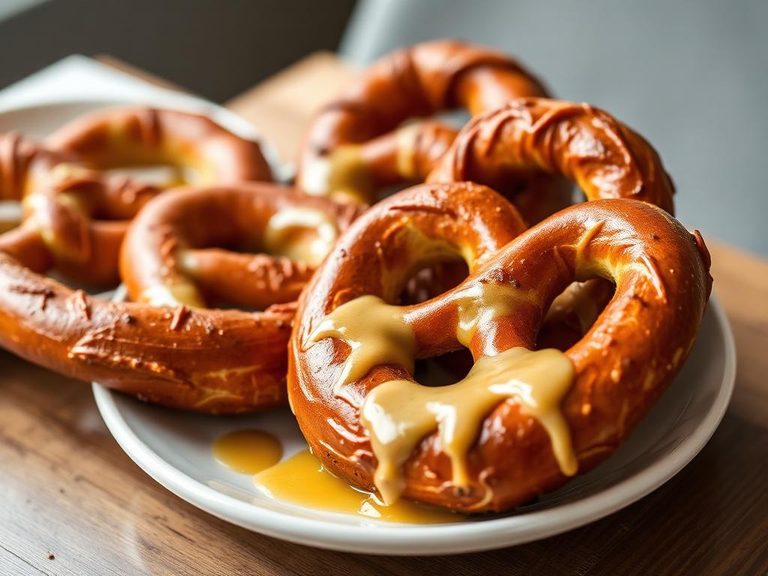
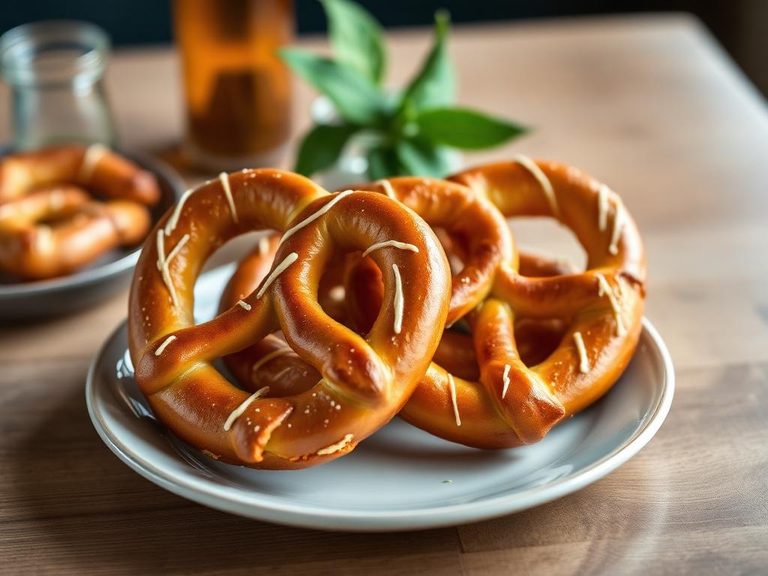
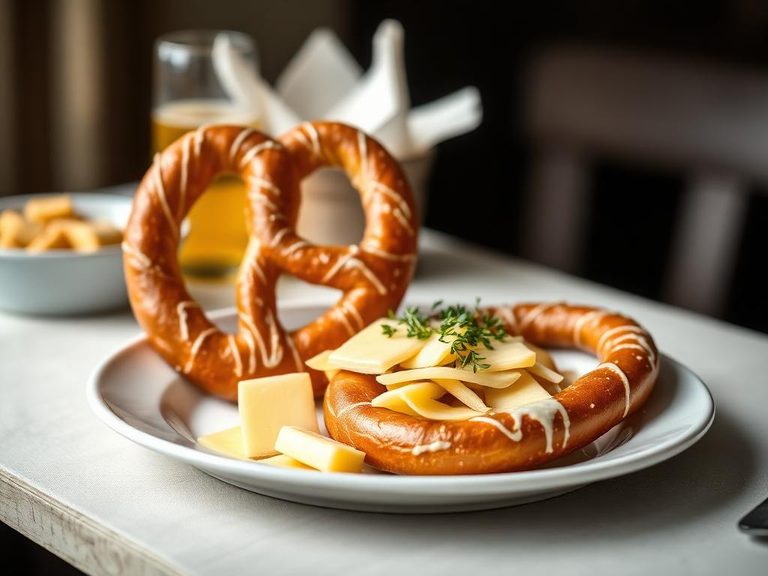
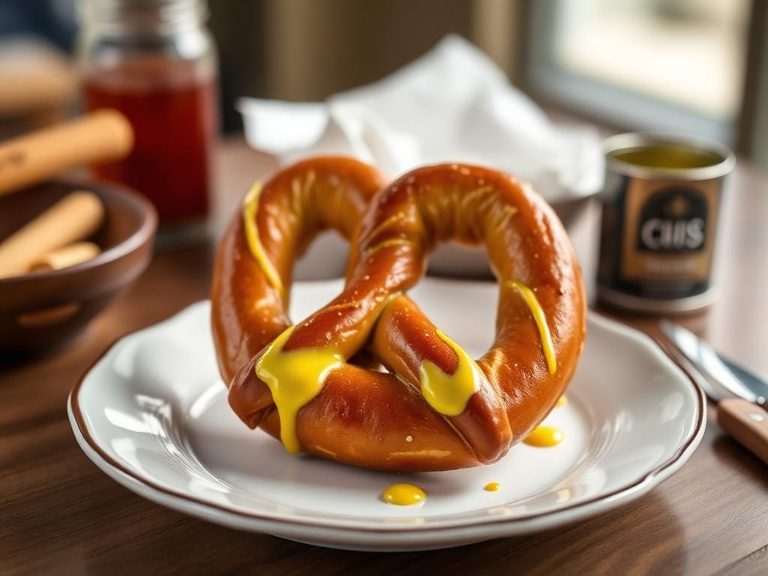
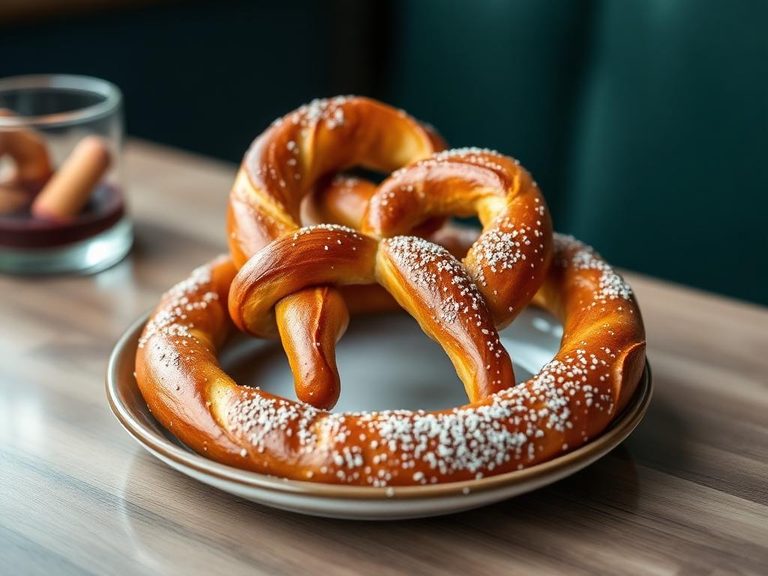
The Bavarian Soft Pretzel, or Laugenbrezel, is a traditional German bread product characterized by its distinctive dark brown, glossy crust and soft, chewy interior. It is typically made from a simple dough of wheat flour, water, yeast, salt, and a small amount of fat, which is briefly dipped in a lye solution before baking to achieve its signature color and flavor. Originating in Southern Germany, particularly Bavaria, it is a staple of bakeries, beer gardens, and festivals throughout the region.
🍽️ Nutrition at a glance
A standard Laugenbrezel is high in carbohydrates, primarily from refined wheat flour, with a moderate amount of protein and a relatively low fat content. It provides key nutrients like B vitamins (especially folate from the enriched flour) and minerals such as iron and magnesium, and a typical serving contains approximately 250-350 calories.
Nutrition breakdown
| Calories | 340 kcal |
| Protein | 9 g |
| Carbs | 68 g |
| Fat | 3.5 g |
| Fiber | 2.5 g |
| Sugar | 2 g |
| Sodium | 1100 mg |
| Iron | 4.5 mg |
| Thiamin (B1) | 0.6 mg |
| Niacin (B3) | 5 mg |
| Folate | 120 mcg |
| Magnesium | 25 mg |
| Phosphorus | 100 mg |
| Selenium | 18 mcg |
| Manganese | 0.7 mg |
Per 1 pretzel (120 g) · estimated, varies by recipe
💡 What's interesting
Culturally, the pretzel's shape is often said to represent arms crossed in prayer, linking it to monastic baking traditions. Nutritionally, the lye bath not only creates the unique crust but also makes the surface starches more digestible and gives the pretzel its characteristic alkaline taste.