

Baby smoothies
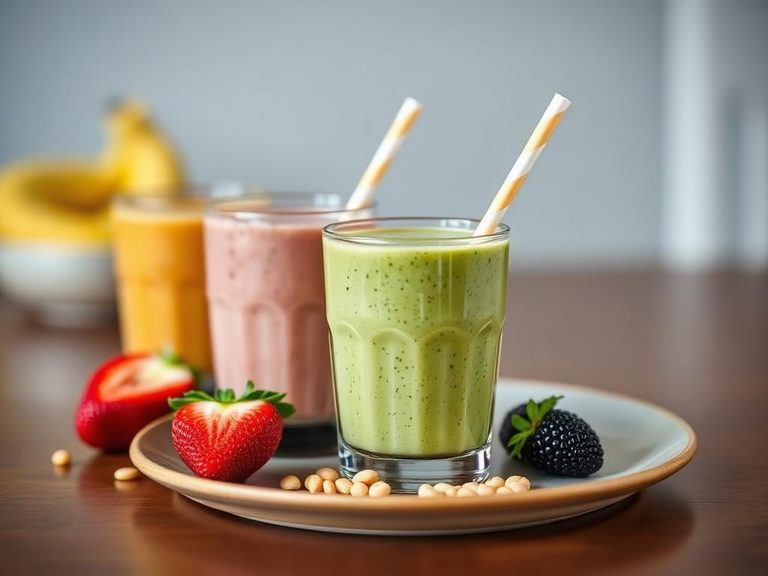
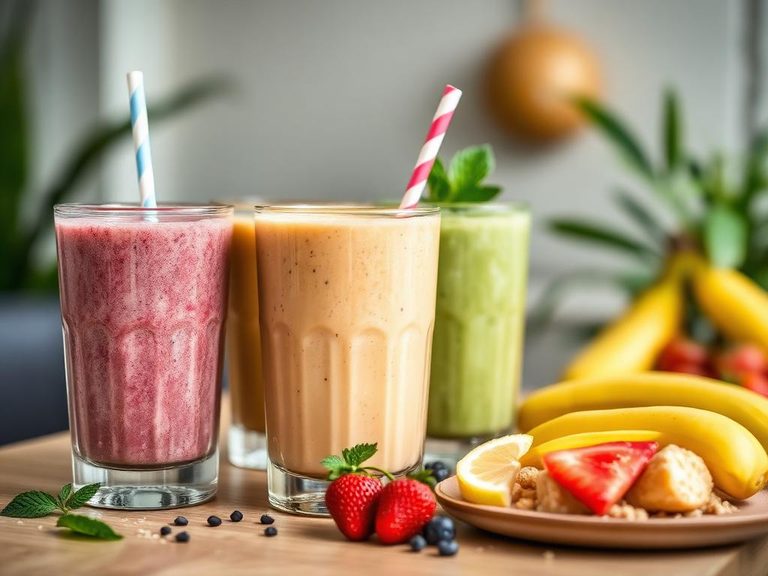
Baby smoothies are blended, drinkable purees designed for older infants who are transitioning to solid foods. They typically feature soft fruits like banana or avocado, often combined with breast milk, formula, or plain yogurt for a familiar base. This dish is a modern, convenient staple in many Western households, popularized for its ease of preparation and adaptability.
🍳 View the full Baby smoothies recipe →
🍽️ Nutrition at a glance
These smoothies are generally high in carbohydrates from natural fruit sugars, with a moderate amount of healthy fats if ingredients like avocado or full-fat yogurt are used. They provide key nutrients such as potassium, vitamin C, and vitamin A, along with calcium and vitamin D from the dairy or fortified milk base. A typical small serving (around 4-6 oz) has a rough calorie ballpark of 80-120 calories.
Nutrition breakdown
| Calories | 70 kcal |
| Protein | 1.5 g |
| Carbs | 14 g |
| Fat | 1 g |
| Fiber | 2 g |
| Sugar | 10 g |
| Sodium | 10 mg |
| Vitamin C | 30 mg |
| Vitamin A | 150 mcg |
| Potassium | 200 mg |
| Vitamin B6 | 0.2 mg |
| Folate | 30 mcg |
| Calcium | 20 mg |
| Iron | 0.5 mg |
| Magnesium | 15 mg |
Per 1/2 cup (120 g) · estimated, varies by recipe
💡 What's interesting
Culturally, baby smoothies represent a shift towards convenient, nutrient-dense baby-led weaning practices, allowing infants to explore flavors and textures safely. Nutritionally, they are unique for their ability to seamlessly incorporate a variety of fruits and even hidden vegetables into a familiar, drinkable format, making them a practical tool for expanding a baby's palate.
🍽️ Related dishes
AI estimate may be inaccurate · Terms