

Baby's first teething biscuit
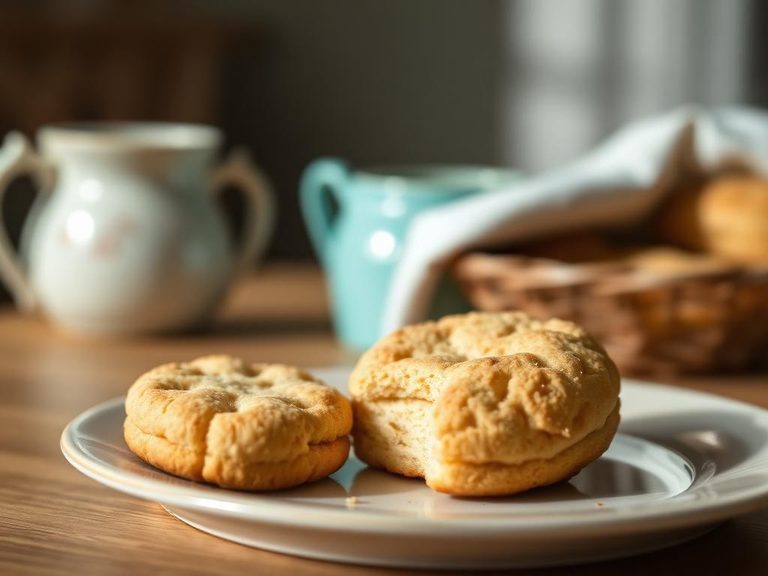
A baby's first teething biscuit is a hard, dry, dissolvable snack designed to soothe sore gums during teething. It's typically made from simple ingredients like whole grain flour (such as wheat or oat), water, and sometimes a natural sweetener like banana or apple puree. Originating as a modern convenience food, it's a staple in baby-led weaning practices across many Western countries.
🍽️ Nutrition at a glance
This is a carbohydrate-focused food, providing energy through its grain base, with minimal fat and protein. Its key nutrients are often added iron and calcium for development, and a single biscuit typically contains around 50-70 calories.
Nutrition breakdown
| Calories | 60 kcal |
| Protein | 1 g |
| Carbs | 12 g |
| Fat | 0.5 g |
| Fiber | 1 g |
| Sugar | 2 g |
| Sodium | 25 mg |
| Iron | 2 mg |
| Calcium | 60 mg |
| Thiamin (B1) | 0.1 mg |
| Niacin (B3) | 1 mg |
| Folate | 20 µg |
| Phosphorus | 30 mg |
| Magnesium | 10 mg |
| Zinc | 0.5 mg |
Per 1 biscuit (10 g) · estimated, varies by recipe
💡 What's interesting
Nutritionally, its unique feature is its engineered texture—hard enough to gnaw on but designed to dissolve safely with saliva, preventing choking. Culturally, it represents a shift towards self-feeding and sensory exploration for infants.
🍽️ Related dishes
AI estimate may be inaccurate · Terms