Base for infant teething biscuits
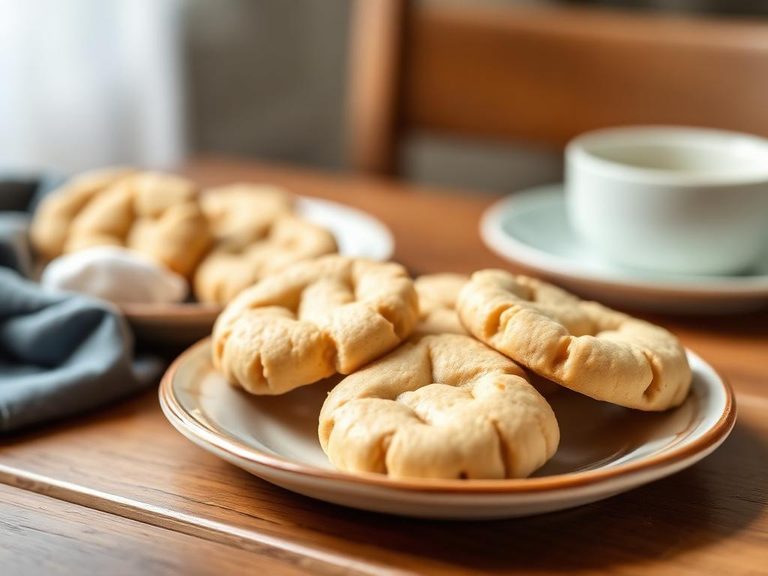
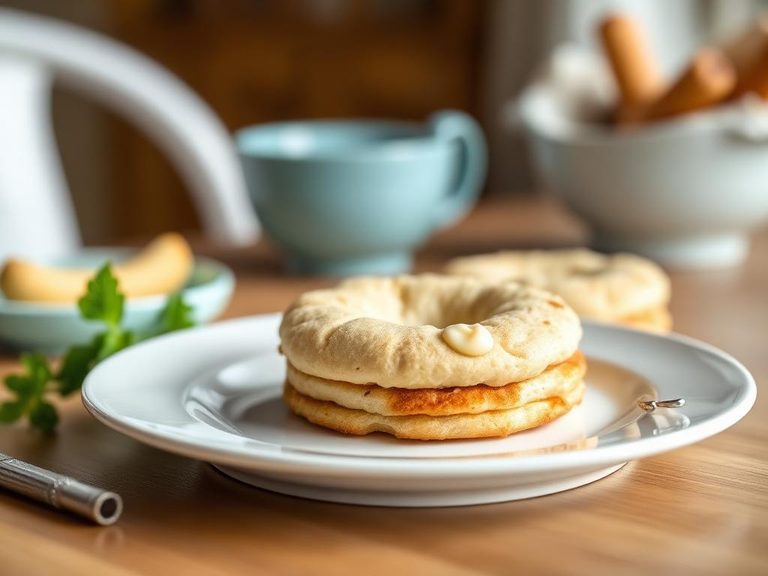
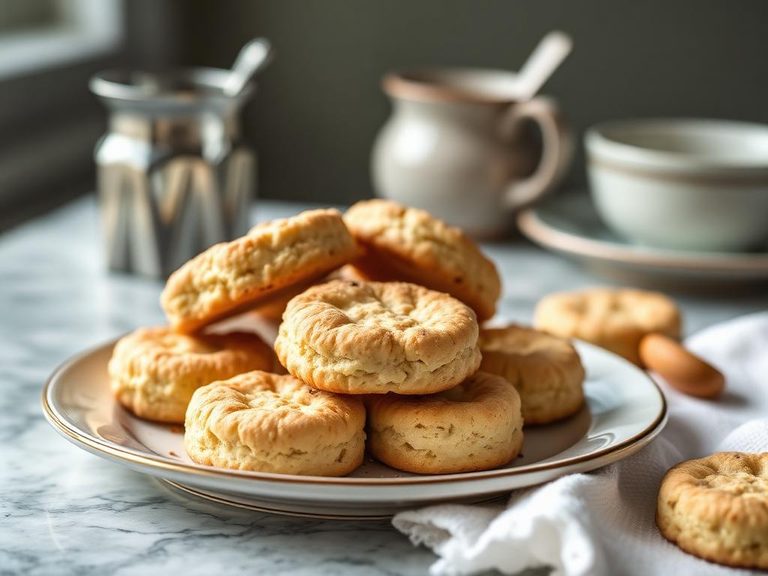
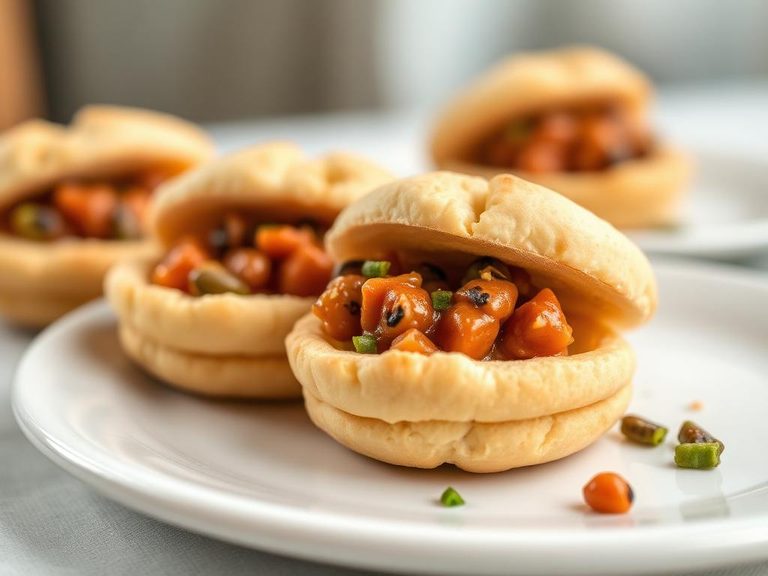
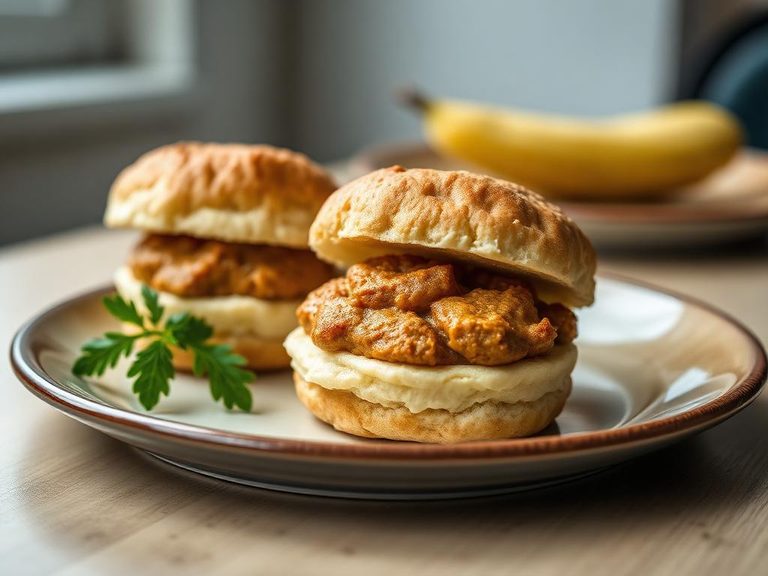
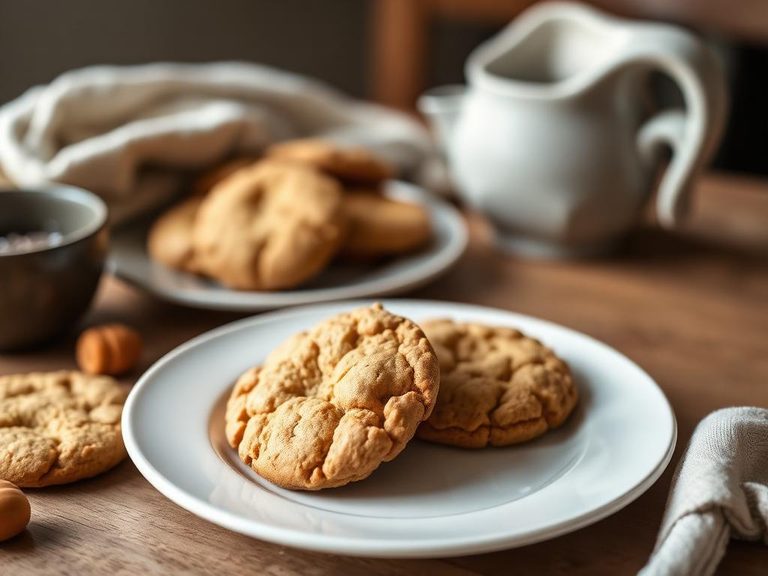
A base for infant teething biscuits is a simple, soft dough or batter used to make homemade biscuits designed for babies to gnaw on during teething. It typically includes flour (like whole wheat or oat), a natural sweetener like mashed banana or applesauce, and sometimes a fat like coconut oil or butter. This type of preparation is common in many cultures as a way to provide a soothing, safe, and nutritious option for teething infants.
🍽️ Nutrition at a glance
This base is generally a source of complex carbohydrates for energy, with minimal fat and protein. Key nutrients often include iron from fortified flours and fiber from whole grains or fruit purees, with a rough calorie range of 80-120 calories per small, baked biscuit.
Nutrition breakdown
| Calories | 38 kcal |
| Protein | 1 g |
| Carbs | 6.5 g |
| Fat | 1.2 g |
| Fiber | 0.3 g |
| Sugar | 0.5 g |
| Sodium | 15 mg |
| Calcium | 30 mg |
| Iron | 0.5 mg |
| Potassium | 40 mg |
| Phosphorus | 25 mg |
| Thiamin (B1) | 0.05 mg |
| Niacin (B3) | 0.4 mg |
| Folate | 10 µg |
| Vitamin B6 | 0.02 mg |
Per 1 biscuit (10 g) · estimated, varies by recipe
💡 What's interesting
What's unique is its dual purpose: it serves as both a soothing tool for sore gums and a first finger food, encouraging self-feeding. Nutritionally, it's often designed to be low in added sugar and salt, focusing on wholesome ingredients to support an infant's developing palate.