Rusks for teething infants
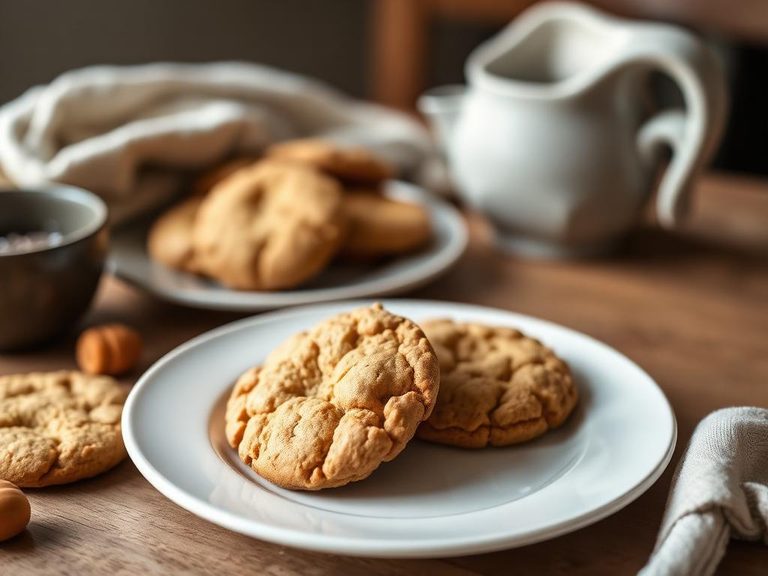
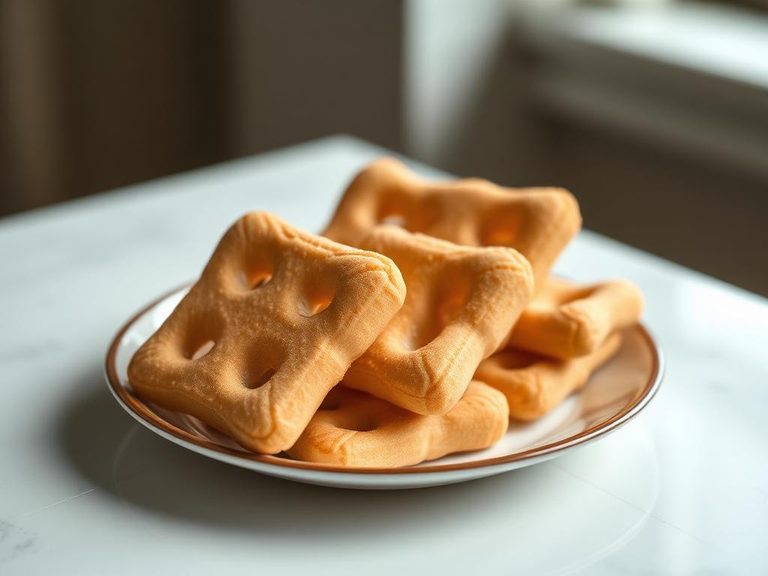
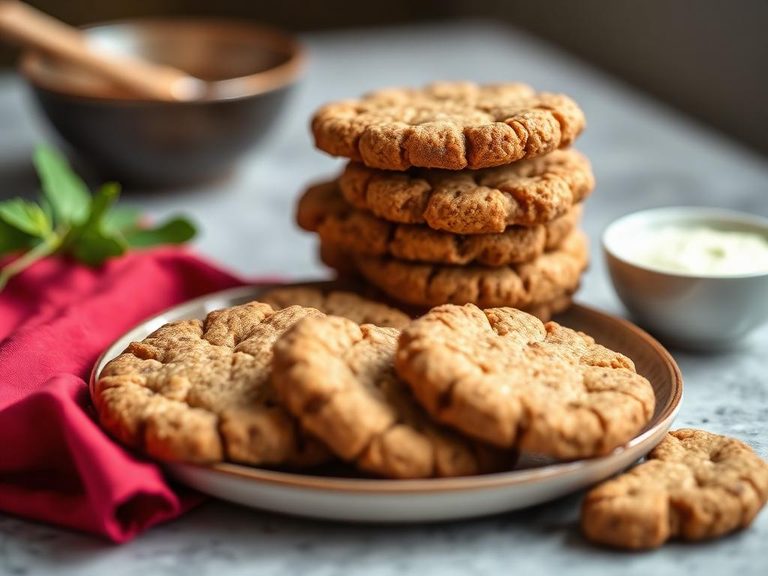
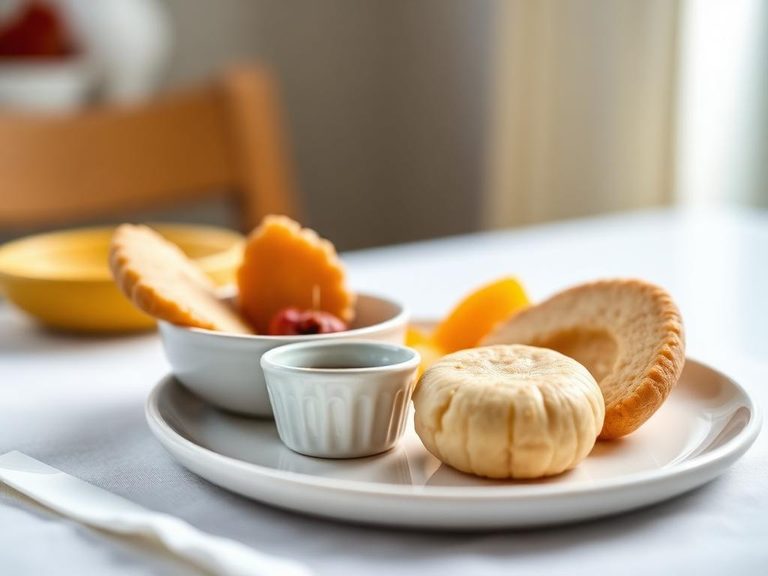
Teething rusks are hard, dry biscuits designed for infants to gnaw on to soothe sore gums during teething. They are typically made from simple ingredients like wheat flour, milk, and a small amount of sugar, and are a common baby food product in many European countries, particularly Germany and the Netherlands.
🍽️ Nutrition at a glance
Teething rusks are primarily a source of carbohydrates for energy, with minimal fat and protein. They provide key nutrients like iron and B vitamins, and a single rusk typically contains around 20-30 calories.
Nutrition breakdown
| Calories | 25 kcal |
| Protein | 0.5 g |
| Carbs | 5 g |
| Fat | 0.2 g |
| Fiber | 0.3 g |
| Sugar | 1.5 g |
| Sodium | 15 mg |
| Iron | 1.2 mg |
| Thiamin (B1) | 0.1 mg |
| Niacin (B3) | 0.8 mg |
| Folate | 15 µg |
| Calcium | 20 mg |
| Phosphorus | 15 mg |
| Potassium | 25 mg |
| Zinc | 0.2 mg |
Per 1 rusk (approx. 10 g) · estimated, varies by recipe
💡 What's interesting
Culturally, these rusks are a staple in many European baby-led weaning traditions, where they are valued for encouraging self-feeding and oral motor development. Nutritionally, their hard texture is intentional—it allows them to dissolve slowly in the baby's mouth, minimizing choking risk while providing relief.