Arrowroot Rusks
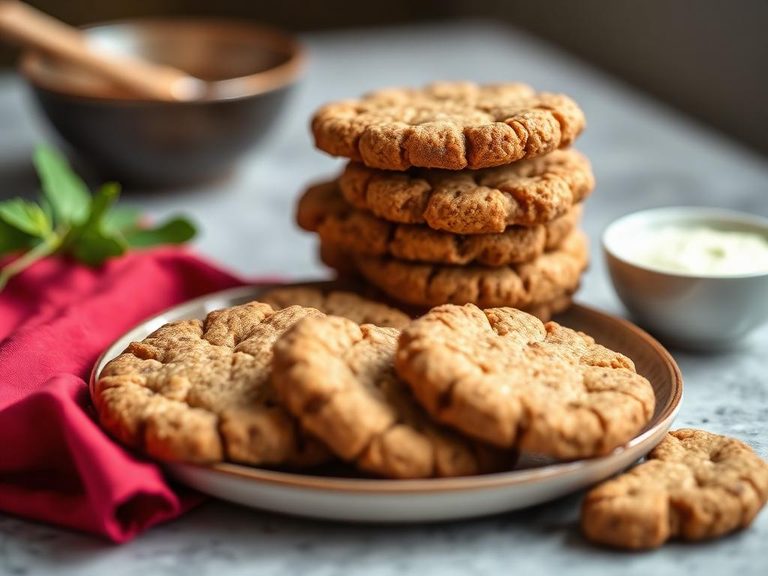
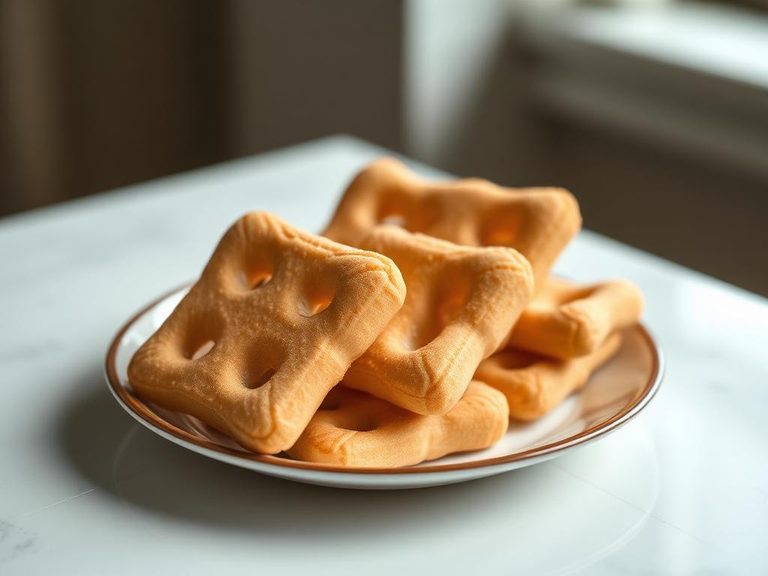
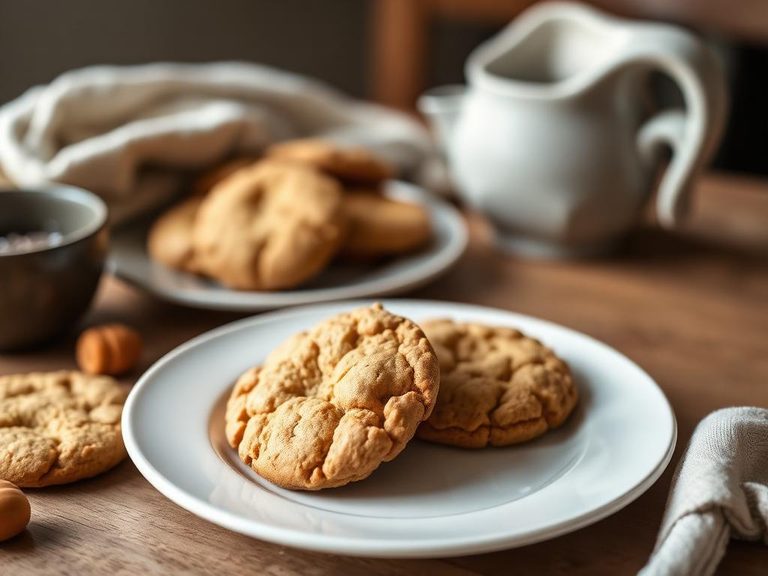
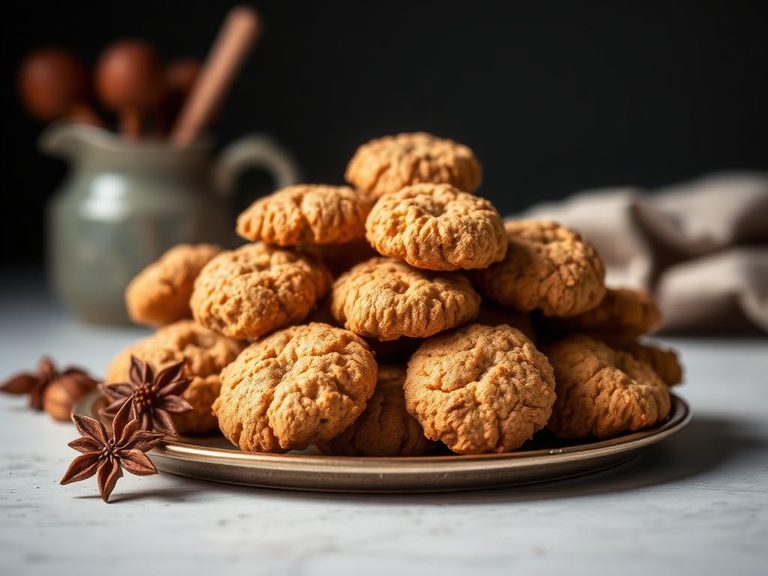
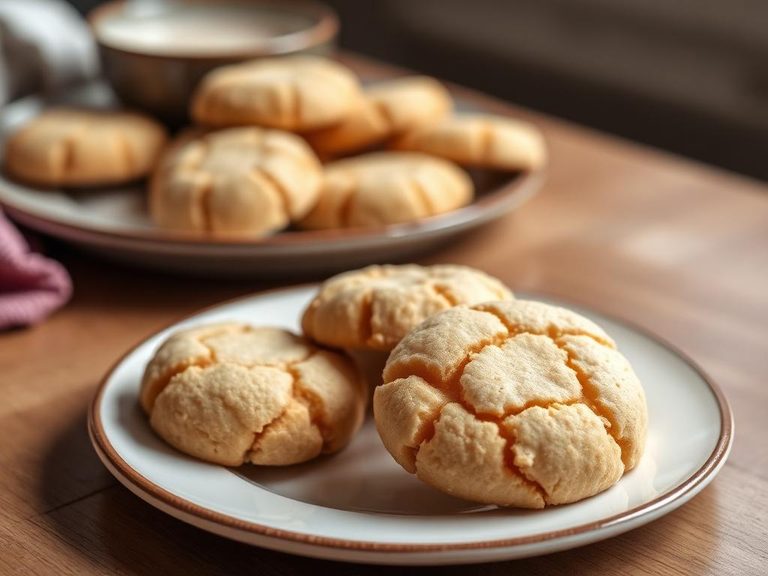
Arrowroot rusks are crisp, twice-baked biscuits or breads made primarily with arrowroot flour, a starch extracted from the rhizomes of tropical arrowroot plants. They are a light, gluten-free alternative to traditional wheat rusks, often flavored with butter, sugar, and sometimes spices like vanilla or cardamom. This dish is particularly popular in regions like the Caribbean, parts of Africa, and India, where arrowroot is a traditional starch.
🍽️ Nutrition at a glance
Arrowroot rusks are primarily a source of carbohydrates from the starch, with a modest amount of fat if butter or oil is used, and very little protein. A typical serving provides quick energy and some key minerals like potassium and iron, with a calorie count generally in the range of 150-200 kcal per serving.
Nutrition breakdown
| Calories | 180 kcal |
| Protein | 2 g |
| Carbs | 35 g |
| Fat | 4 g |
| Fiber | 1 g |
| Sugar | 8 g |
| Sodium | 120 mg |
| Potassium | 90 mg |
| Iron | 1.2 mg |
| Magnesium | 15 mg |
| Phosphorus | 40 mg |
| Manganese | 0.3 mg |
| Calcium | 20 mg |
| Vitamin B6 | 0.05 mg |
| Niacin (B3) | 0.8 mg |
Per 3 rusks (approximately 60 g) · estimated, varies by recipe
💡 What's interesting
Culturally, arrowroot has been used for centuries as a digestible starch, often for infants or those with digestive sensitivities, making these rusks a gentle, comforting food. Nutritionally, arrowroot is a resistant starch, which can act as a prebiotic, supporting gut health.