Teething Biscuits
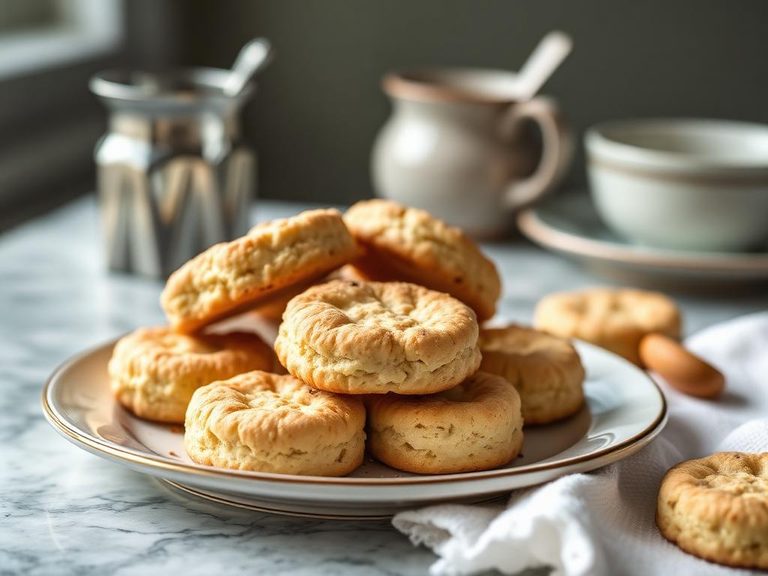
Teething biscuits, also known as teething rusks or zwieback, are hard, dry biscuits designed for infants to gnaw on during the teething process. They are typically made from simple, mild ingredients like flour, sugar, and butter or oil, and are often flavored with vanilla or other gentle spices. Originating in Europe, they are now a common baby food staple in many Western countries.
🍽️ Nutrition at a glance
These biscuits are primarily a source of carbohydrates for energy, with a small amount of fat and minimal protein. They are generally low in essential nutrients, serving more as a soothing tool than a significant food source, and a single biscuit typically contains around 40-60 calories.
Nutrition breakdown
| Calories | 120 kcal |
| Protein | 2 g |
| Carbs | 22 g |
| Fat | 2.5 g |
| Fiber | 1 g |
| Sugar | 6 g |
| Sodium | 80 mg |
| Iron | 2 mg |
| Calcium | 60 mg |
| Thiamin (B1) | 0.2 mg |
| Niacin (B3) | 1.5 mg |
| Folate | 40 mcg |
| Phosphorus | 40 mg |
| Magnesium | 10 mg |
| Zinc | 0.5 mg |
Per 2 biscuits (30 g) · estimated, varies by recipe
💡 What's interesting
Culturally, they represent a practical solution passed down through generations to soothe teething discomfort. Nutritionally, their key feature is their unique texture—hard enough to massage sore gums but designed to dissolve slowly to reduce choking risk.
🍽️ Related dishes
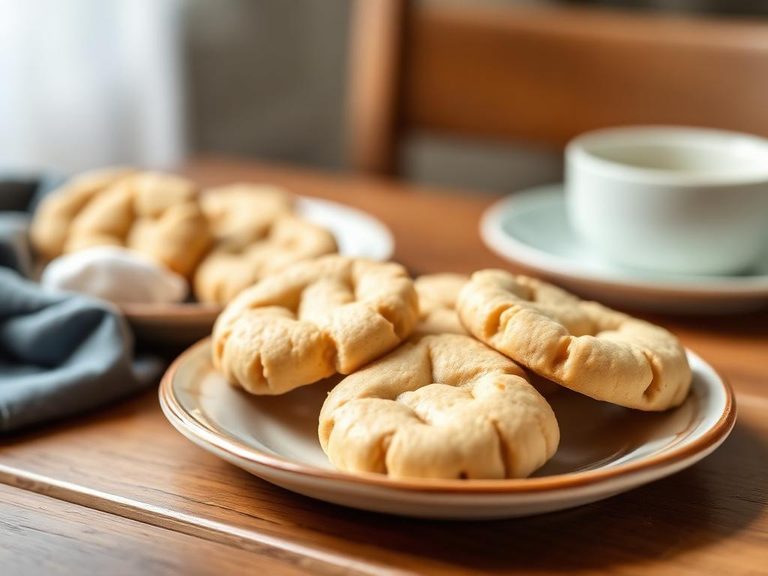 Base for infant teething biscuits
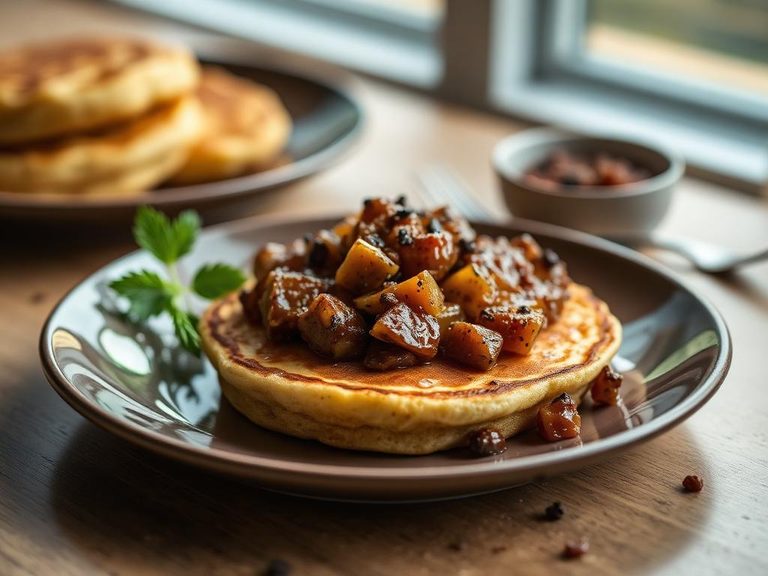 Used as a filling for teething biscuits or pancakes
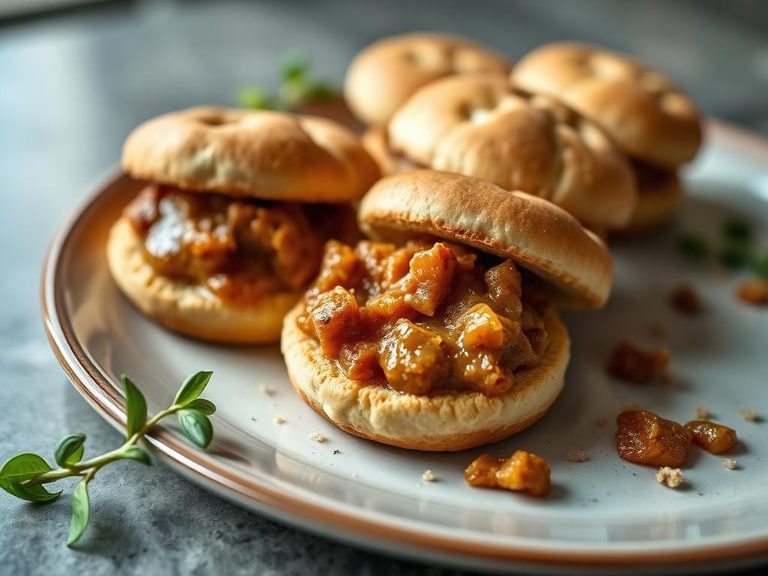 Used as a filling for teething biscuits
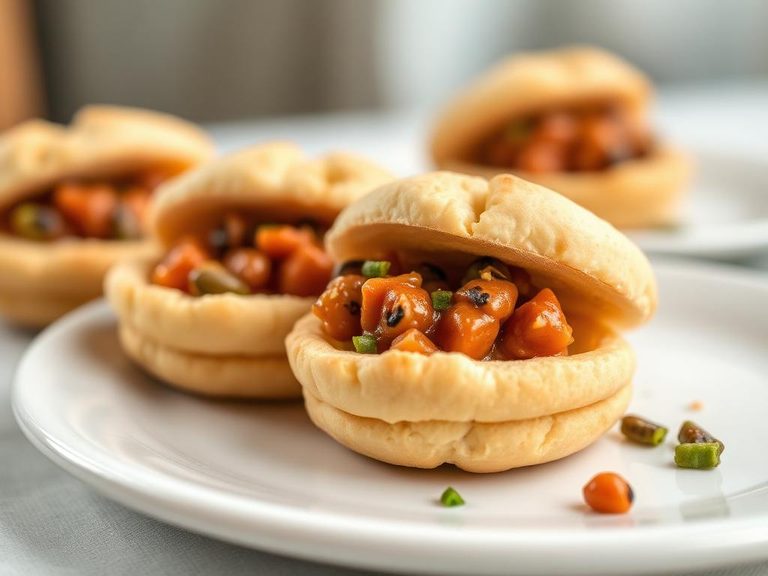 Used as a filling for simple teething biscuits
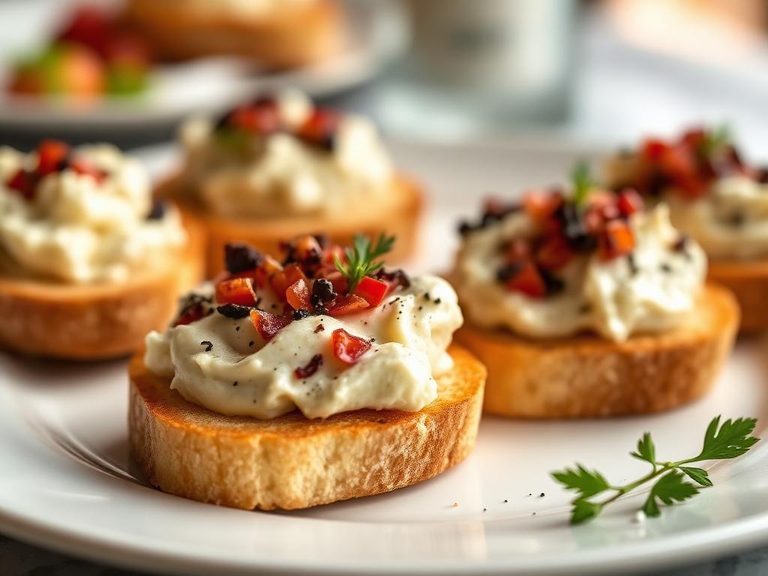 Spread on thin toast or teething biscuits
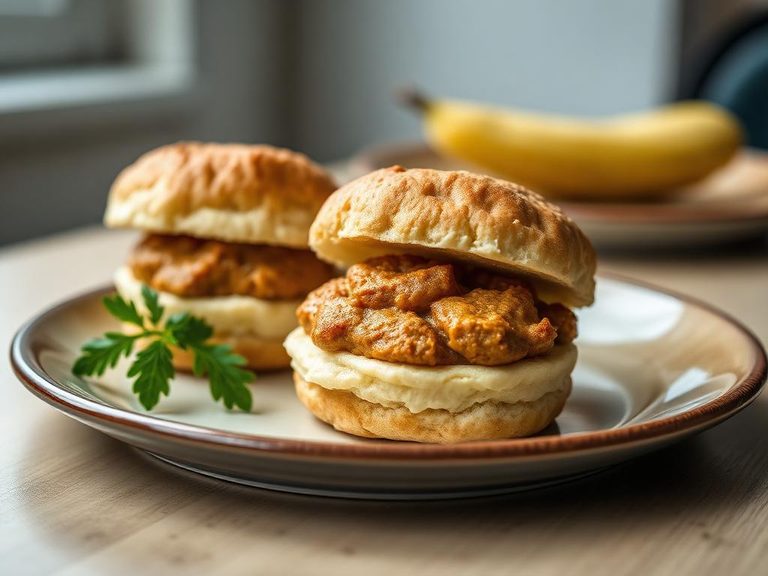 As a filling for teething biscuits
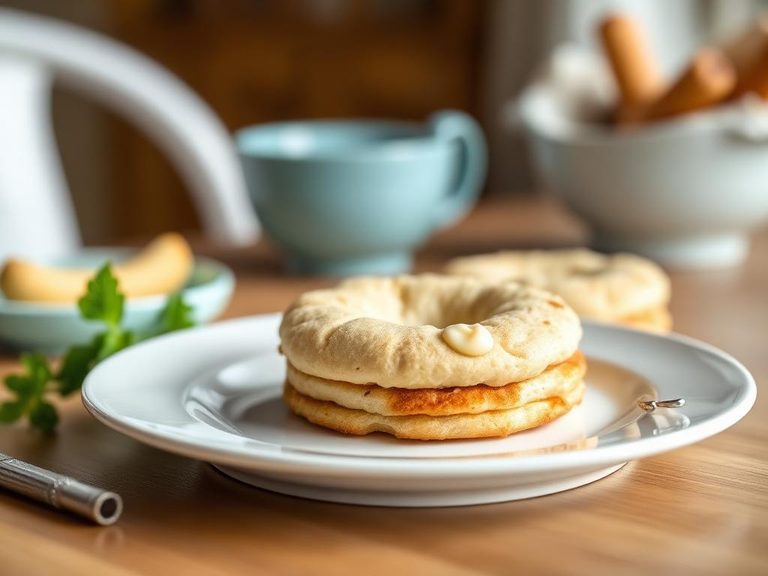 Homemade infant teething biscuit base
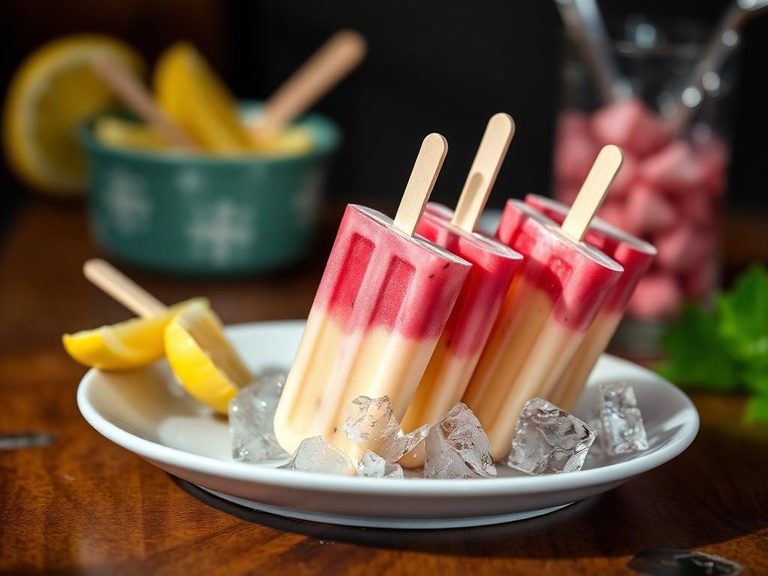 Frozen into teething popsicles