Teething biscuit
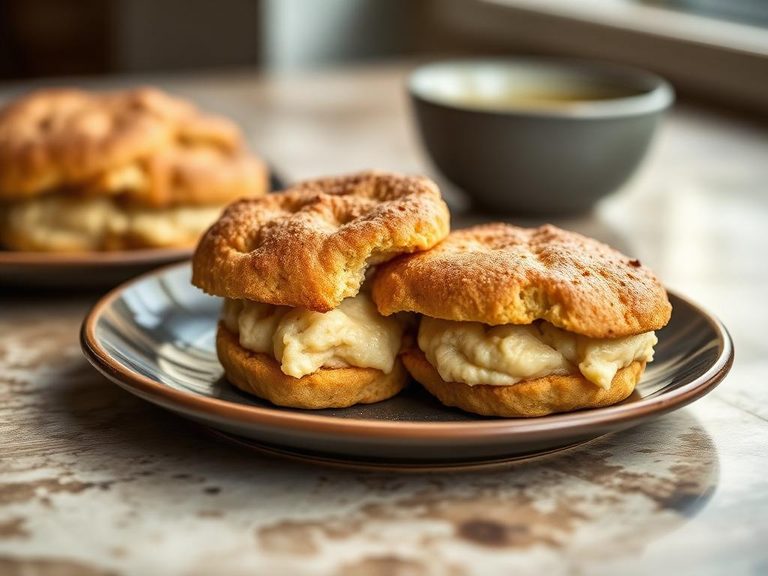
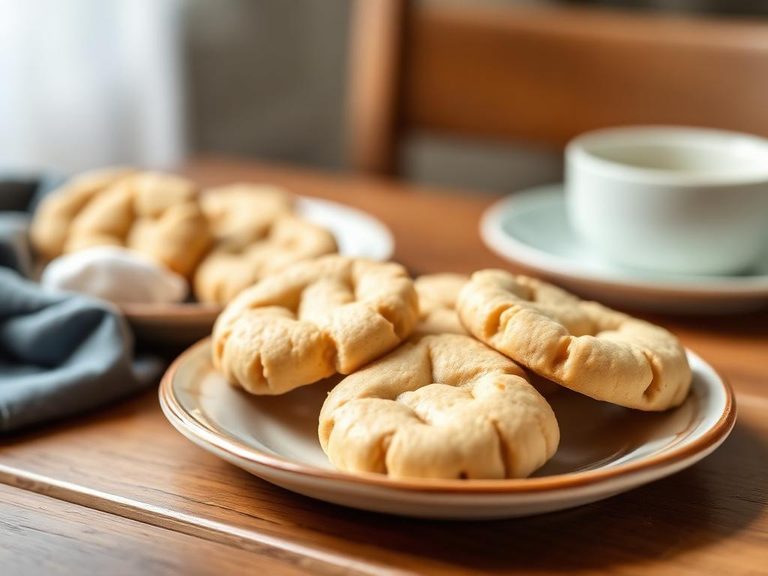
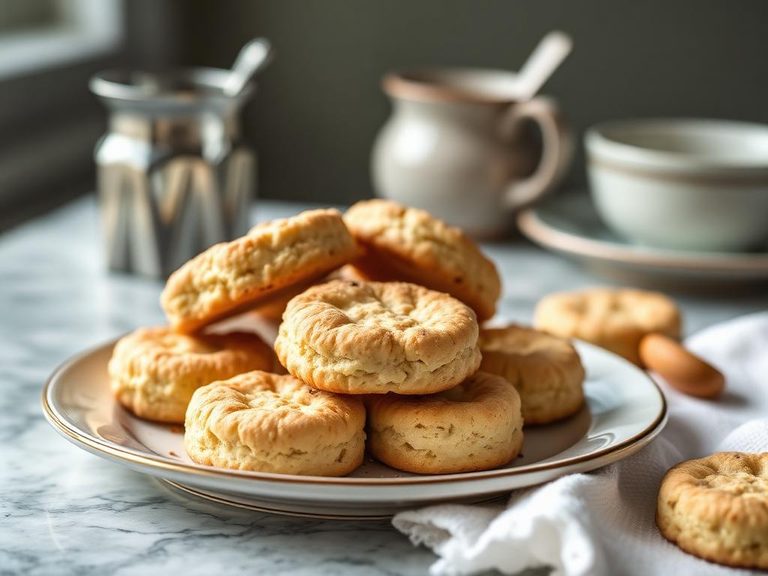
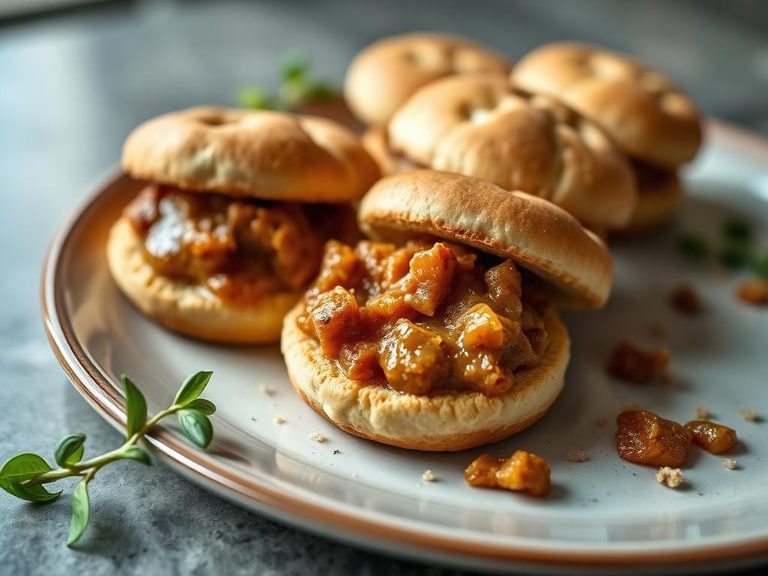
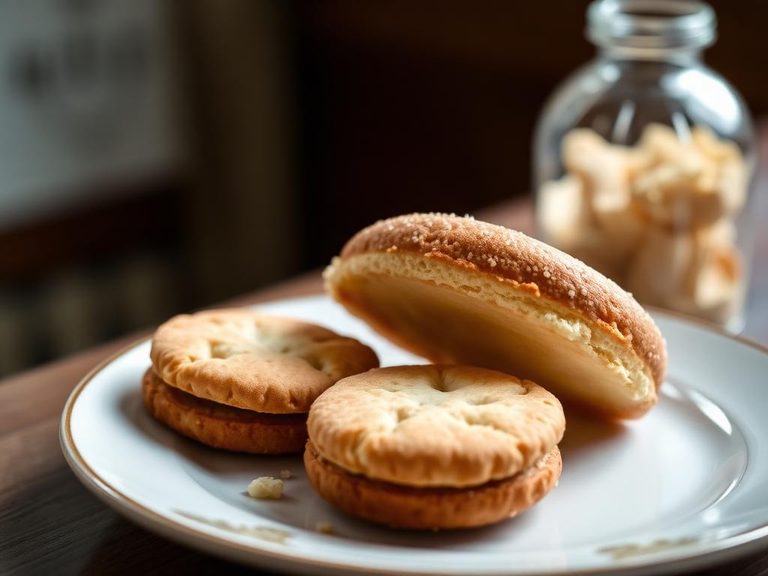
Teething biscuits are hard, dry biscuits specifically designed for babies who are beginning to teethe. They are typically made from simple ingredients like whole wheat flour, rice flour, oats, and sometimes sweetened with fruit puree or a touch of sugar. Originating as a practical solution in many Western cultures, they are now a common baby food item worldwide.
🍽️ Nutrition at a glance
These biscuits are primarily a source of carbohydrates for energy, with very low fat and protein content. They often provide small amounts of iron and B vitamins if made with fortified flour, and a single biscuit usually contains around 20-40 calories.
Nutrition breakdown
| Calories | 110 kcal |
| Protein | 2 g |
| Carbs | 22 g |
| Fat | 1.5 g |
| Fiber | 1 g |
| Sugar | 8 g |
| Sodium | 60 mg |
| Iron | 2 mg |
| Calcium | 50 mg |
| Thiamin (B1) | 0.2 mg |
| Riboflavin (B2) | 0.1 mg |
| Niacin (B3) | 1.5 mg |
| Vitamin B6 | 0.1 mg |
| Folate | 30 mcg |
| Phosphorus | 40 mg |
Per 2 biscuits (28 g) · estimated, varies by recipe
💡 What's interesting
Nutritionally, their key feature is their hard, dry texture that softens safely when chewed, helping to soothe sore gums while encouraging chewing skills. Culturally, they represent a milestone food, often a baby's first solid 'finger food' that promotes independence and motor skill development.