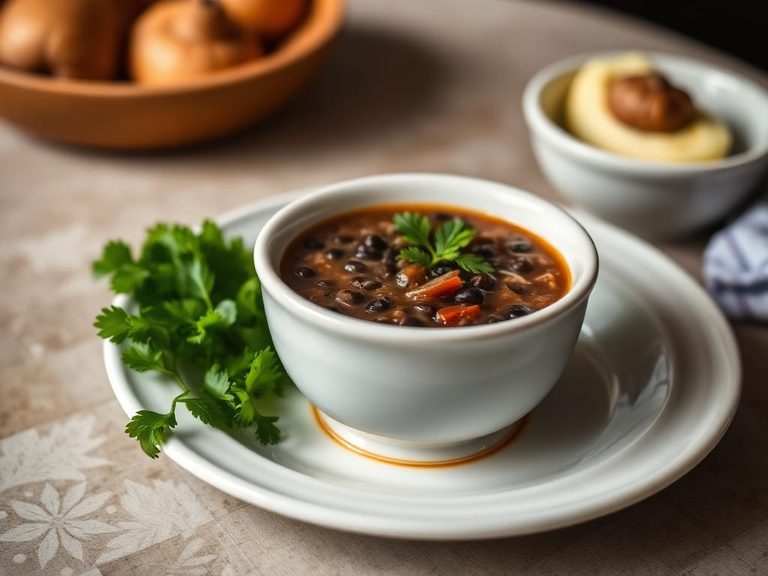
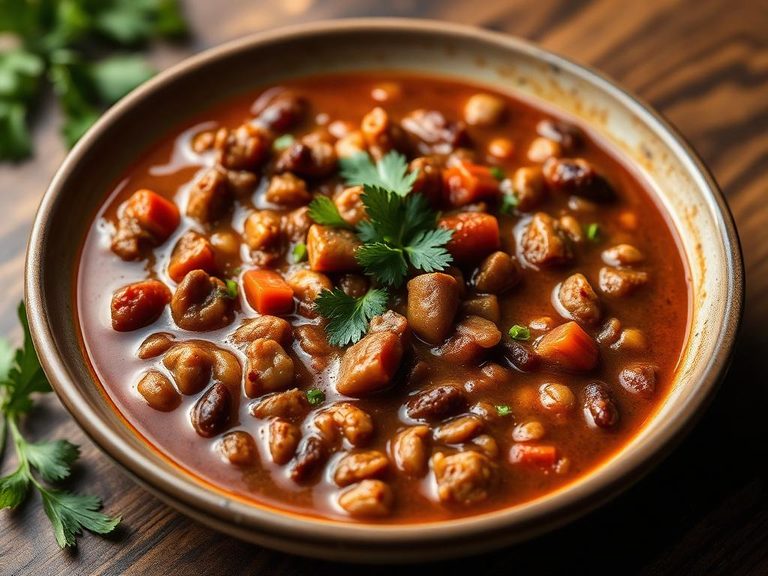
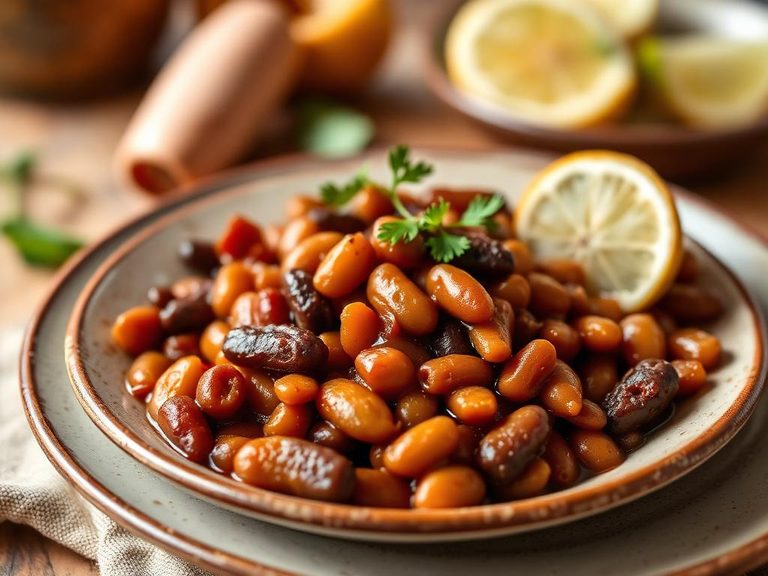
Arroz con Frijoles
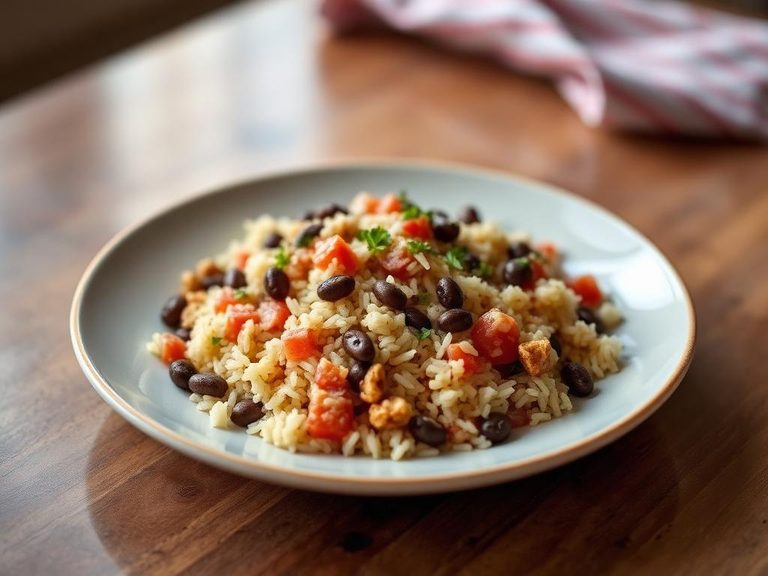
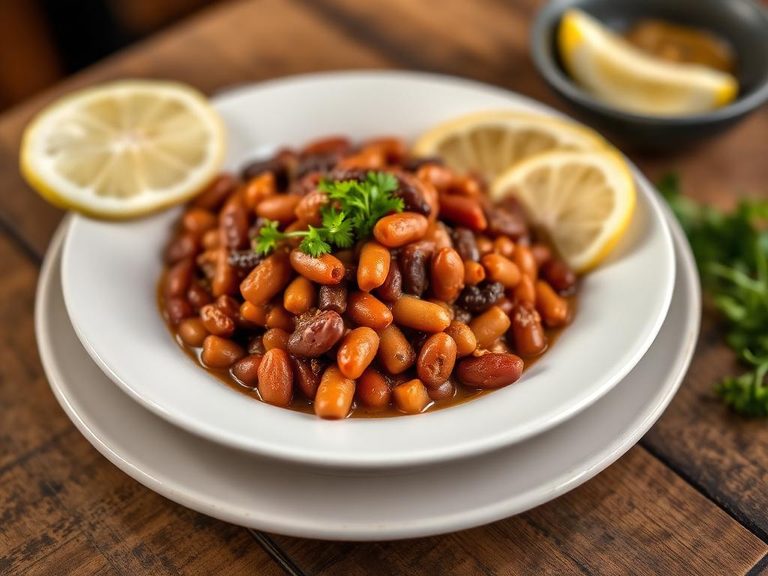
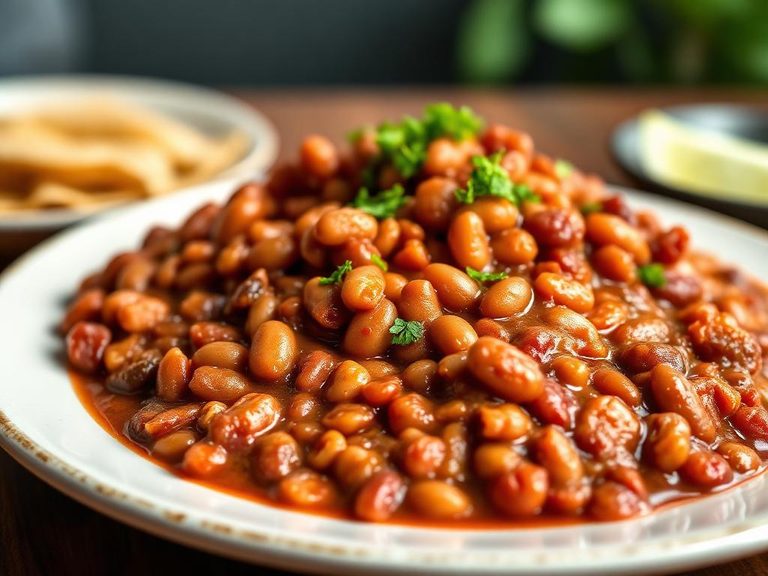
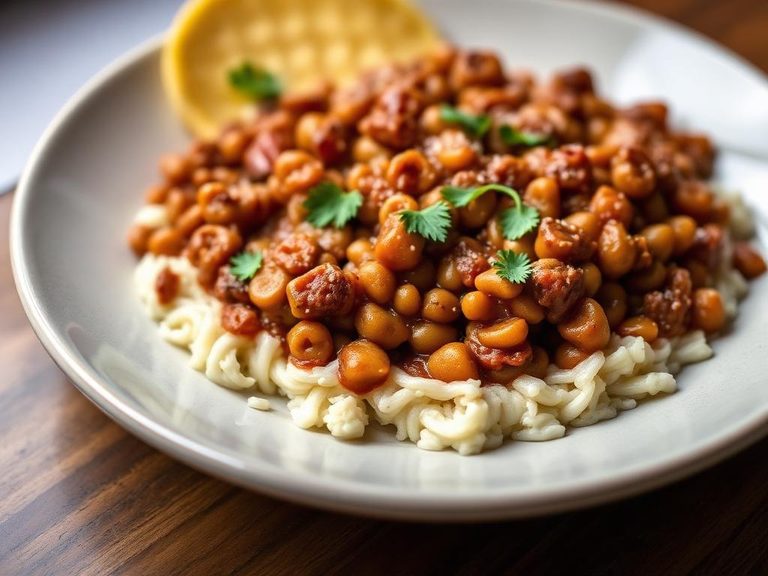
Arroz con Frijoles is a foundational staple dish across Latin America, consisting simply of rice and beans cooked together or served side-by-side. While the specific preparation varies by region—such as the Cuban 'Moros y Cristianos' or the Puerto Rican 'Arroz con Gandules'—it universally features rice, beans (like black, pinto, or kidney), and a base of aromatics like onion, garlic, and peppers. It is a ubiquitous, everyday meal found from Mexico to Argentina.
🍽️ Nutrition at a glance
This dish is a high-energy, carbohydrate-rich meal that provides a complete plant-based protein when the rice and beans are combined. It is an excellent source of dietary fiber, B vitamins, and essential minerals like iron and magnesium, with a typical serving containing roughly 300-450 calories depending on preparation and added fats.
Nutrition breakdown
| Calories | 300 kcal |
| Protein | 7 g |
| Carbs | 55 g |
| Fat | 5 g |
| Fiber | 10 g |
| Sugar | 3 g |
| Sodium | 450 mg |
| Potassium | 400 mg |
| Iron | 3 mg |
| Magnesium | 60 mg |
| Phosphorus | 120 mg |
| Folate | 120 mcg |
| Thiamin (B1) | 0.3 mg |
| Zinc | 1.5 mg |
| Copper | 0.4 mg |
Per 1 cup (240 g) · estimated, varies by recipe
💡 What's interesting
Nutritionally, rice and beans are a classic example of 'protein complementarity,' where the amino acids lacking in one are provided by the other, creating a complete protein source. Culturally, it is a profound symbol of shared heritage and resourcefulness, often called the 'daily bread' of Latin America, and its countless variations reflect the unique culinary identity of each country and family.