

Added to toddler smoothies
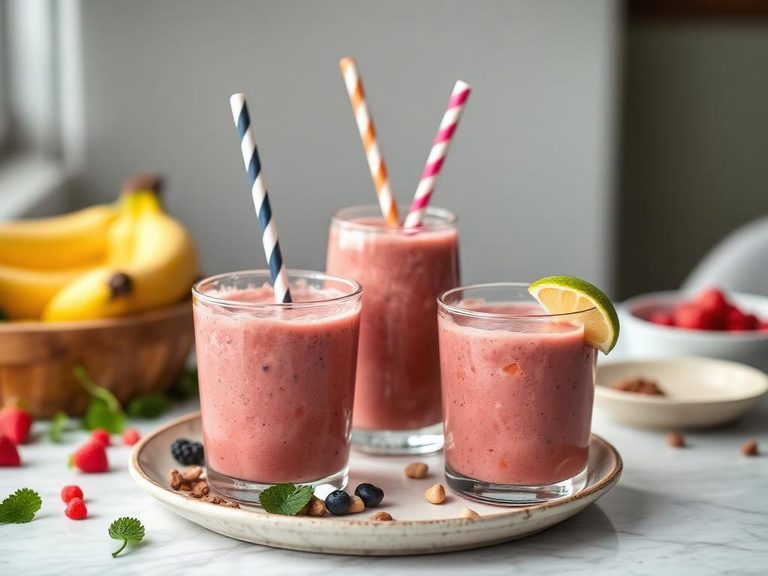
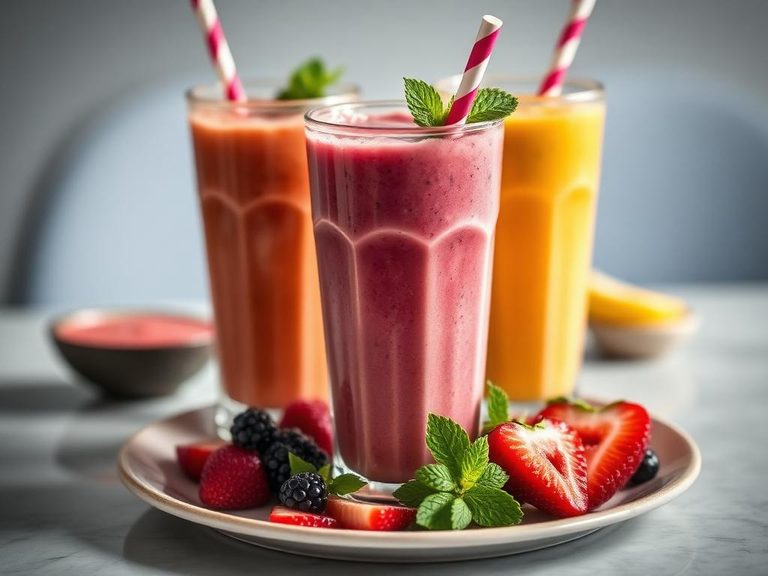
This refers to the common practice of adding nutrient-dense ingredients to smoothies for toddlers, rather than a single dish. Typical additions include fruits like bananas and berries, vegetables like spinach, and sources of healthy fats or protein such as avocado, yogurt, or chia seeds. This method is a global parenting strategy to boost the nutritional content of a child's diet.
🍽️ Nutrition at a glance
The nutritional profile is highly variable but is generally designed to be balanced, providing carbohydrates for energy, healthy fats for brain development, and protein for growth. A typical toddler-sized smoothie (around 8-10 oz) can range from 150 to 250 calories, with key nutrients like fiber, vitamins, and calcium depending on the specific ingredients used.
Nutrition breakdown
| Calories | 45 kcal |
| Protein | 1 g |
| Carbs | 10 g |
| Fat | 0 g |
| Fiber | 1.5 g |
| Sugar | 7 g |
| Sodium | 5 mg |
| Vitamin C | 30 mg |
| Potassium | 200 mg |
| Vitamin A | 150 mcg RAE |
| Folate | 20 mcg |
| Magnesium | 15 mg |
| Manganese | 0.3 mg |
| Vitamin B6 | 0.1 mg |
| Vitamin E | 1.0 mg |
Per 1/4 cup (60 g) · estimated, varies by recipe
💡 What's interesting
Culturally, this practice reflects a modern, Western-influenced approach to nutrition, emphasizing the 'hidden' incorporation of vegetables into a child's diet. Nutritionally, it's a unique way to create a single, palatable food that delivers a broad spectrum of macro and micronutrients in an easily digestible form for young digestive systems.
🍽️ Related dishes
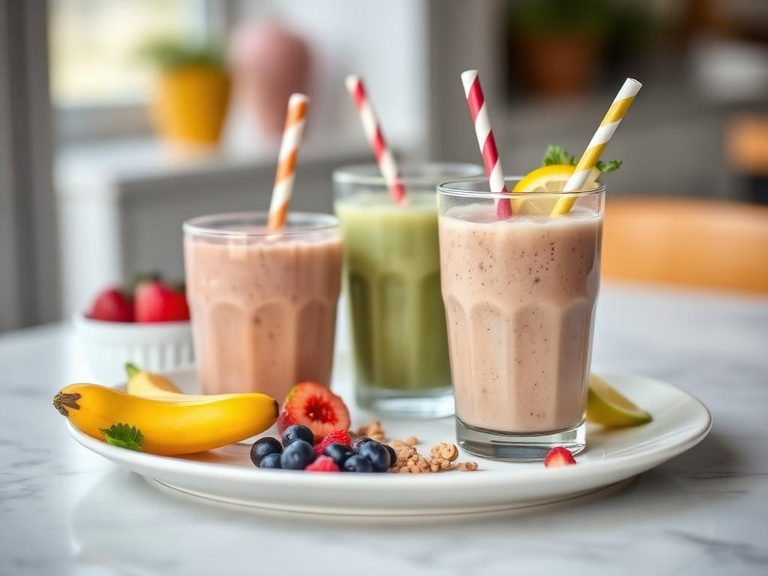 Added to smoothies for older toddlers
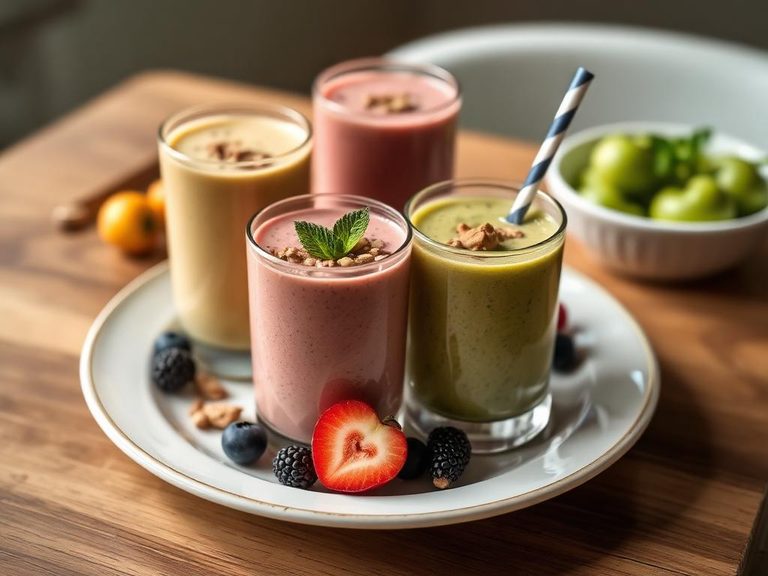 Added to smoothies for toddlers
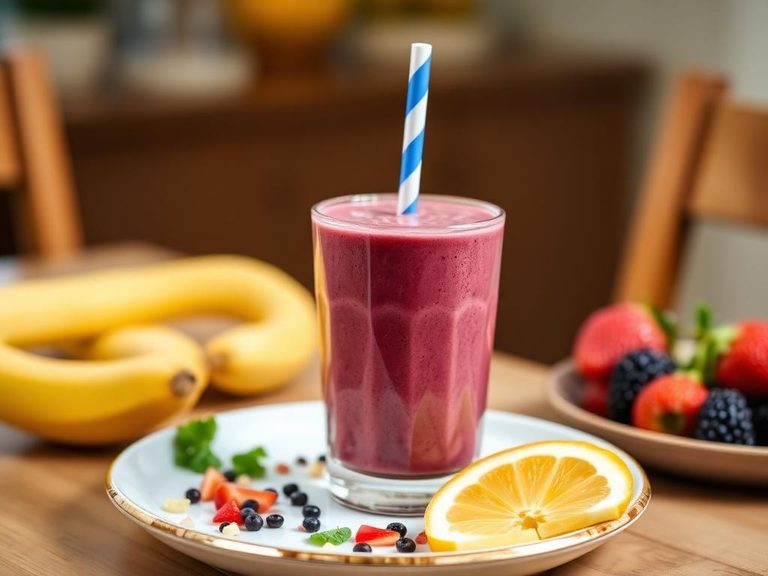 Added to smoothies for toddlers transitioning off formula
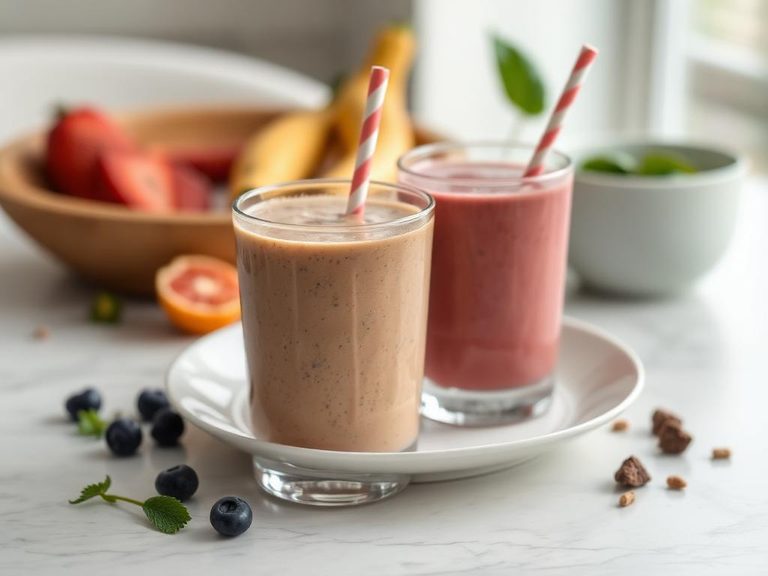 Smoothie thickener for toddler smoothies
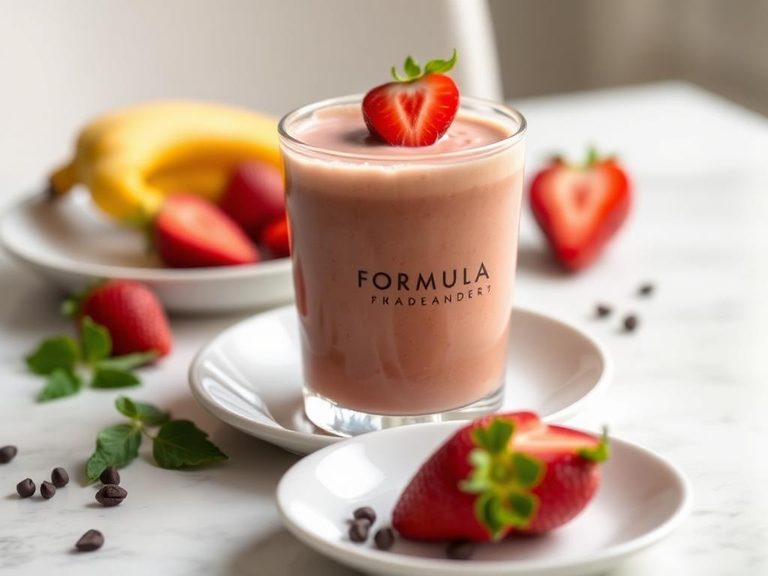 Formula as a base for toddler smoothies
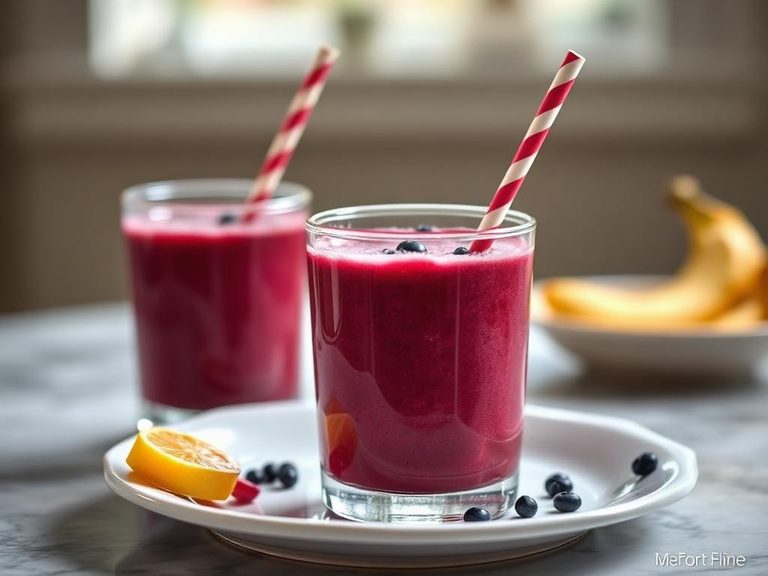 Fortified smoothies for toddlers
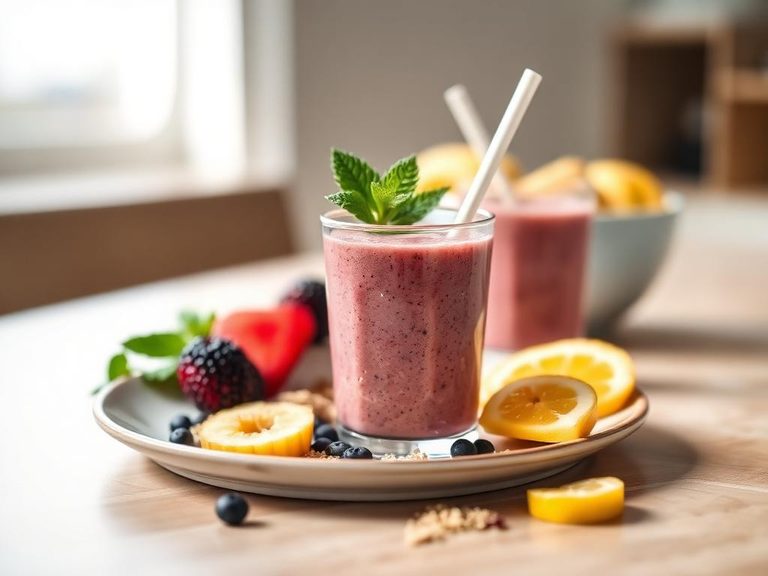 As a base for soothing smoothies for older toddlers
 Blended into smoothies for toddlers
AI estimate may be inaccurate · Terms