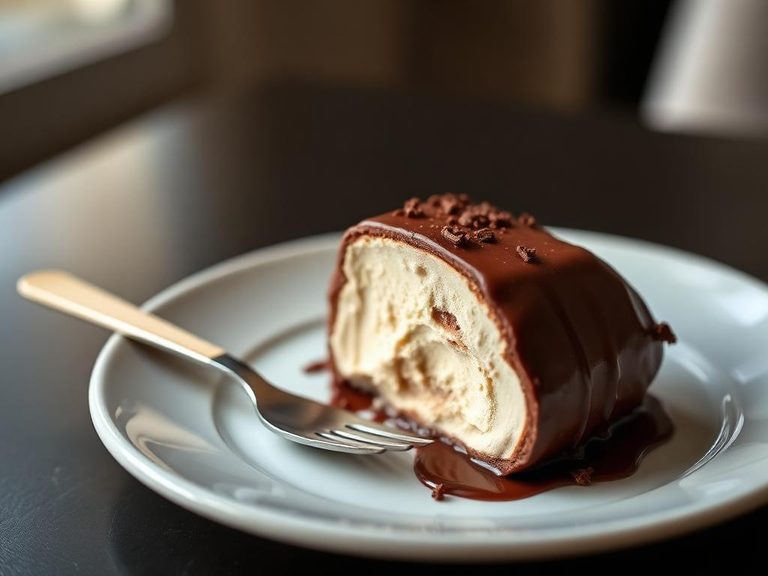
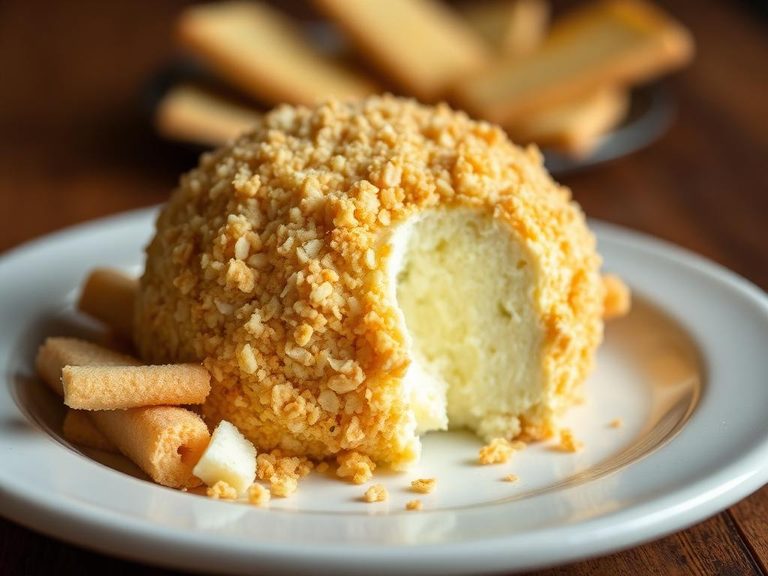
Yogurt-coated bar
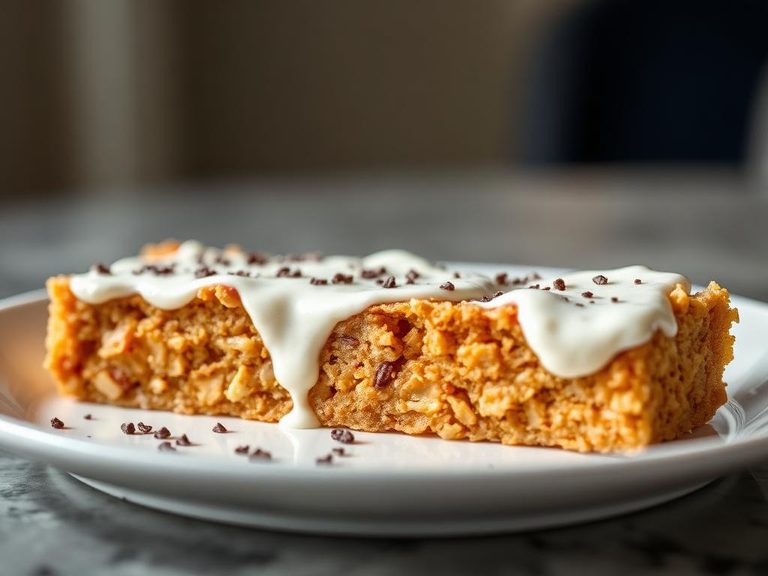
A yogurt-coated bar is a snack or dessert where a core, often a biscuit, granola, or fruit-based center, is enrobed in a sweetened yogurt-flavored coating. This coating is typically made from a mixture of yogurt powder, sugar, and vegetable fats, creating a smooth, creamy shell. It's a popular convenience food found in supermarkets worldwide, particularly in Europe and North America.
🍽️ Nutrition at a glance
These bars are generally high in carbohydrates and fats, with the coating contributing significant sugar and saturated fat. They can provide some calcium and protein from the yogurt component, but are best considered an occasional treat. A typical bar contains roughly 200-300 calories.
Nutrition breakdown
| Calories | 180 kcal |
| Protein | 3 g |
| Carbs | 22 g |
| Fat | 10 g |
| Fiber | 1 g |
| Sugar | 15 g |
| Sodium | 40 mg |
| Calcium | 80 mg |
| Iron | 1.5 mg |
| Potassium | 100 mg |
| Phosphorus | 60 mg |
| Vitamin A | 50 mcg |
| Vitamin C | 2 mg |
| Vitamin D | 1 mcg |
| Magnesium | 15 mg |
Per 1 bar (40 g) · estimated, varies by recipe
💡 What's interesting
Culturally, the yogurt coating is a clever food technology innovation that mimics the taste of yogurt while providing a shelf-stable, non-messy alternative to fresh yogurt or chocolate. Nutritionally, it's a hybrid snack that blends the perceived health halo of yogurt with the indulgence of a confectionery treat.