Whipped topping
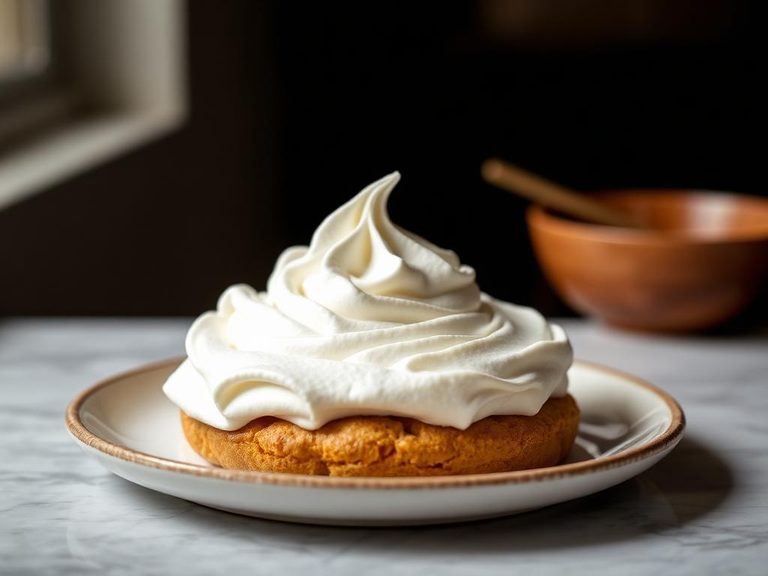
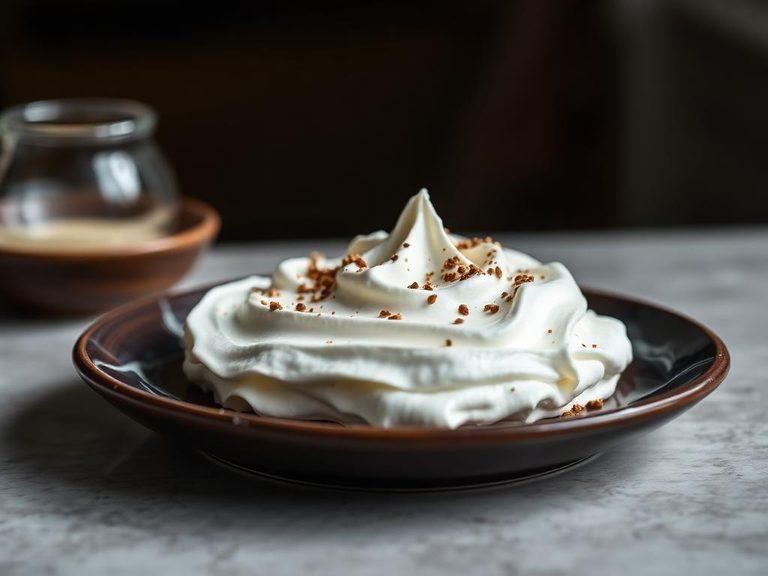
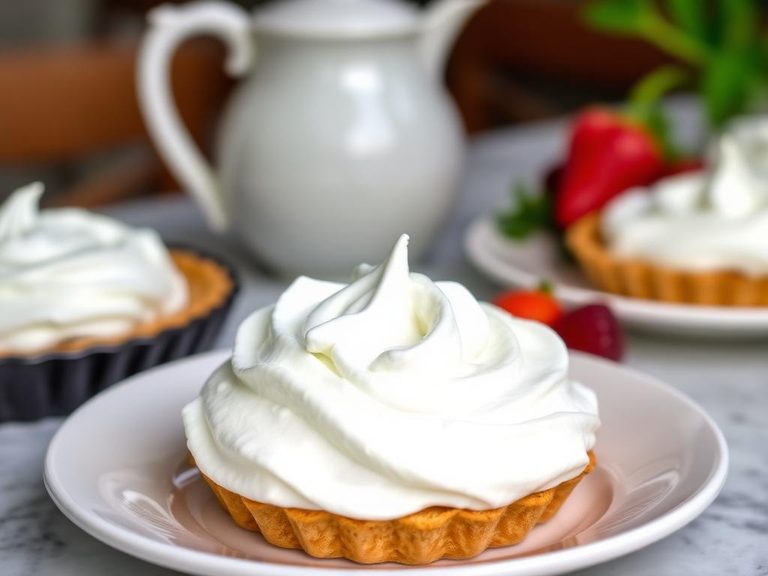
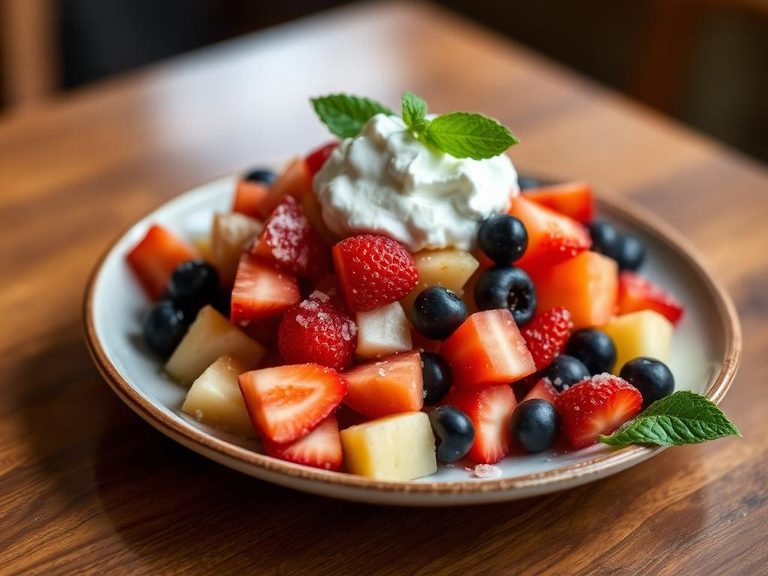
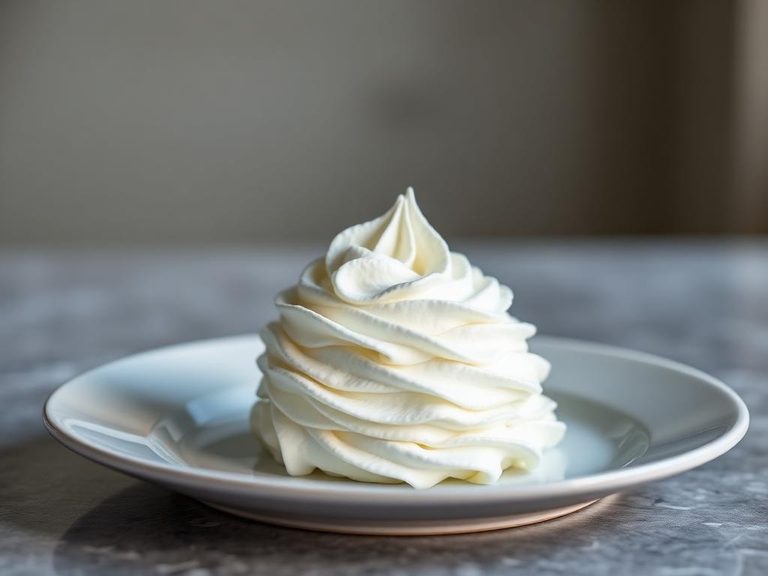
Whipped topping is a light, airy, and sweet dairy or non-dairy product used as a dessert garnish or ingredient. It is typically made from water, hydrogenated vegetable oil, high-fructose corn syrup, and various stabilizers and emulsifiers, with some versions containing milk or cream. Originating in the mid-20th century as a convenient, shelf-stable alternative to whipped cream, it is now a staple in many American kitchens.
🍽️ Nutrition at a glance
Whipped topping is primarily a source of fat and carbohydrates, with very little protein. A typical serving provides a quick energy boost from sugars but offers minimal essential vitamins or minerals, with a calorie count that can vary widely based on brand and formulation.
Nutrition breakdown
| Calories | 25 kcal |
| Protein | 0 g |
| Carbs | 1 g |
| Fat | 2 g |
| Fiber | 0 g |
| Sugar | 1 g |
| Sodium | 10 mg |
| Vitamin A | 10 mcg |
| Calcium | 5 mg |
| Iron | 0.1 mg |
| Potassium | 15 mg |
Per 2 tablespoons (15 g) · estimated, varies by recipe
💡 What's interesting
Its unique cultural role is as a symbol of convenience and modern food technology, often sparking debates about 'real' vs. processed ingredients. Nutritionally, it's interesting because many formulations are designed to be dairy-free and lactose-free, making it accessible to a wider range of dietary needs.