

Wasabi
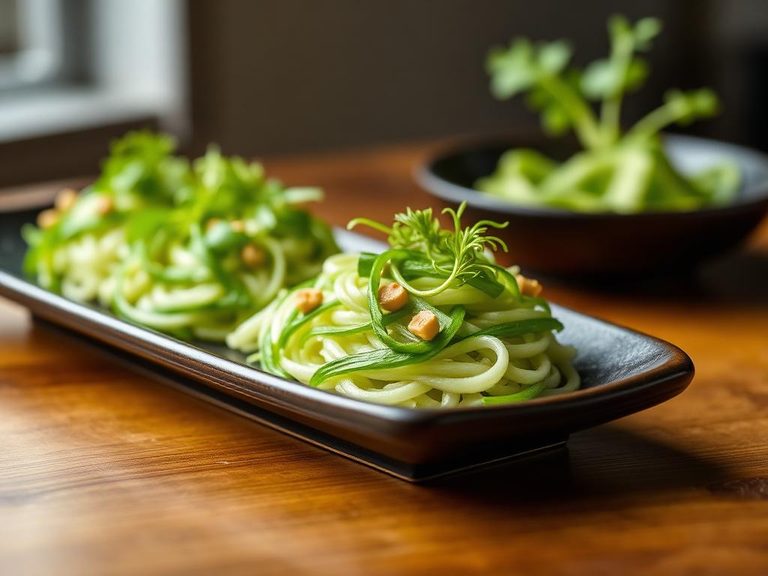
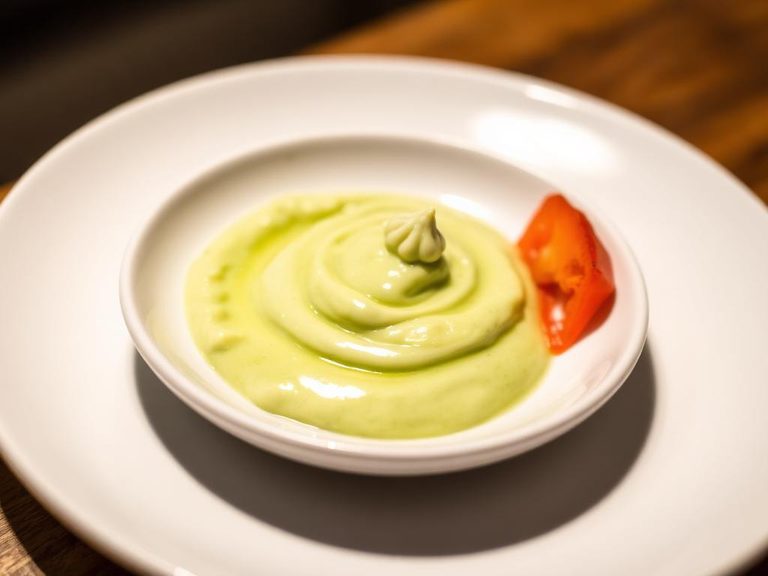
Wasabi is a fiery, pungent condiment traditionally made from the grated rhizome of the Wasabia japonica plant, though most of what is served worldwide is a mixture of horseradish, mustard, and green food coloring. It is a staple in Japanese cuisine, served alongside sushi and sashimi to add a sharp, clean heat that clears the sinuses. True wasabi is prized for its complex, herbaceous flavor that dissipates quickly, unlike the lingering burn of chili peppers.
🍽️ Nutrition at a glance
Wasabi is virtually calorie-free, containing negligible amounts of carbohydrates, fat, and protein. Its key nutritional contribution comes from isothiocyanates, potent compounds that have been studied for their antioxidant and anti-inflammatory properties.
Nutrition breakdown
| Calories | 2 kcal |
| Protein | 0.1 g |
| Carbs | 0.4 g |
| Fat | 0 g |
| Fiber | 0.1 g |
| Sugar | 0.1 g |
| Sodium | 200 mg |
| Potassium | 15 mg |
| Vitamin C | 0.3 mg |
| Calcium | 2 mg |
| Iron | 0.1 mg |
| Magnesium | 1 mg |
| Phosphorus | 2 mg |
| Zinc | 0.02 mg |
| Manganese | 0.01 mg |
Per 1 teaspoon (5 g) · estimated, varies by recipe
💡 What's interesting
Unlike chili peppers, the heat from wasabi is volatile and dissipates rapidly, which is why it's traditionally grated fresh and served immediately. The plant itself is notoriously difficult to cultivate, requiring specific conditions of cool, flowing water, making authentic wasabi a rare and expensive delicacy.
🍽️ Related dishes


AI estimate may be inaccurate · Terms