

Used in baking
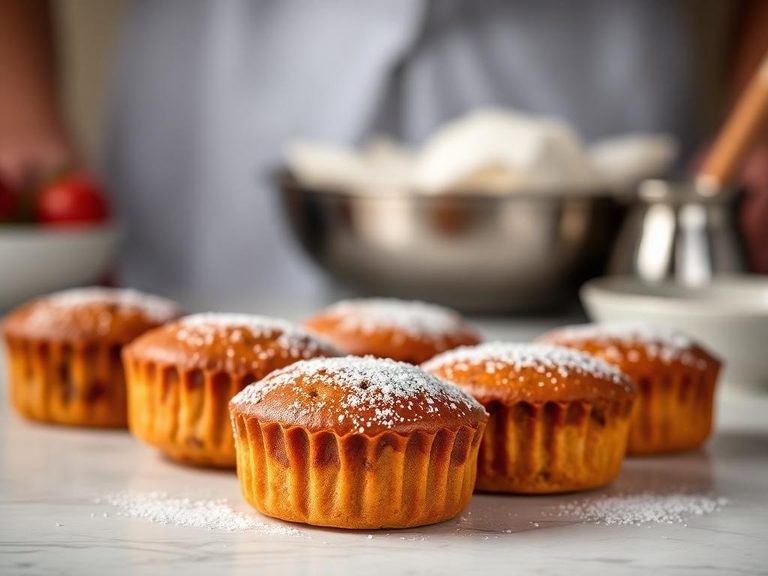
This refers to common baking ingredients like milk, buttermilk, or simple syrups used to moisten cakes, particularly delicate ones like baby cakes or sponge cakes. These liquids are typically dairy-based or sugar-water solutions, fundamental to Western baking traditions, especially in American and European cuisines.
🍽️ Nutrition at a glance
These moistening agents are generally moderate in calories, with milk providing a balance of carbs (lactose), protein, and fat, while simple syrups are almost entirely carbohydrates from sugar. They contribute key nutrients like calcium, potassium, and vitamin D (in fortified dairy) to the final baked good.
Nutrition breakdown
| Calories | 37 kcal |
| Protein | 1.9 g |
| Carbs | 2.9 g |
| Fat | 2 g |
| Fiber | 0 g |
| Sugar | 2.9 g |
| Sodium | 25 mg |
| Calcium | 76 mg |
| Potassium | 93 mg |
| Phosphorus | 58 mg |
| Vitamin D | 1.0 mcg |
| Vitamin B12 | 0.5 mcg |
| Riboflavin (B2) | 0.1 mg |
| Vitamin A | 24 mcg |
| Selenium | 2.0 mcg |
Per 1/4 cup (60 g) of whole milk (a typical amount for moistening a small cake layer) · estimated, varies by recipe
💡 What's interesting
Using a soak or brush-on liquid is a classic baker's technique to ensure cakes stay moist for days, not just hours. Nutritionally, choosing buttermilk or whole milk over a sugar syrup can significantly boost the protein and calcium content of a dessert without adding refined sugar.
🍽️ Related dishes
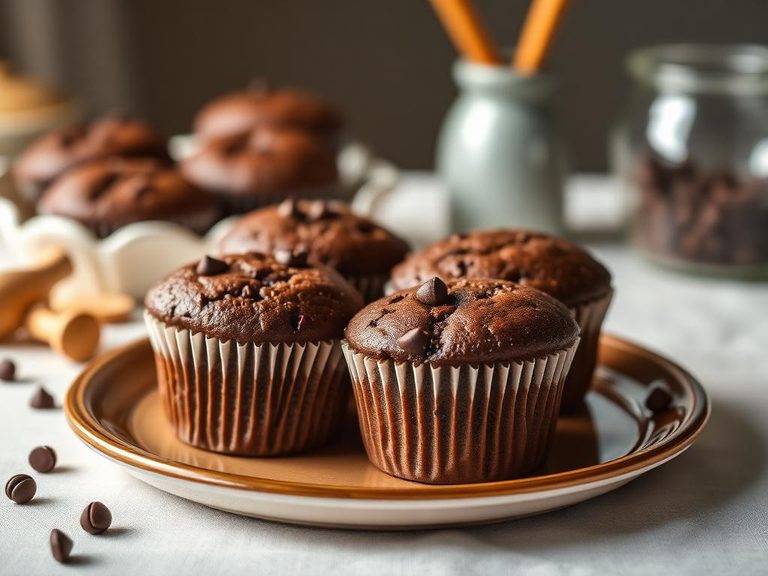 Used in baking for chocolate cakes or muffins
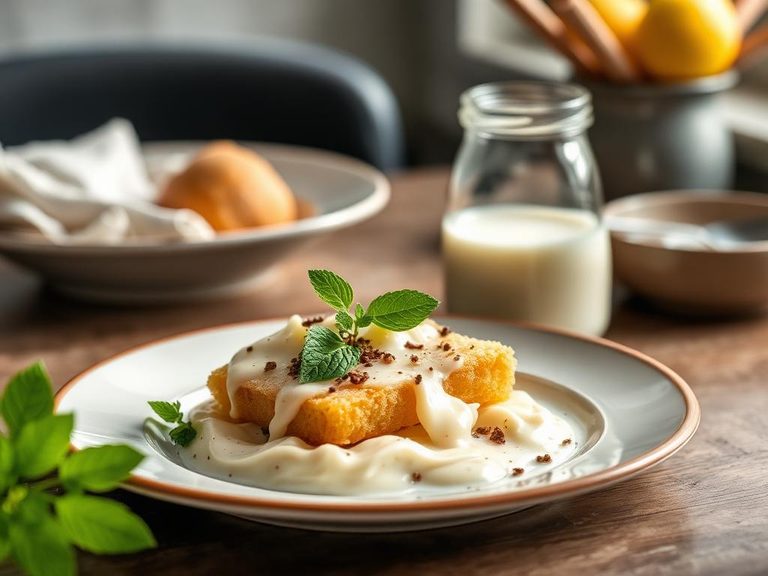 Used in baking as a milk substitute in some recipes
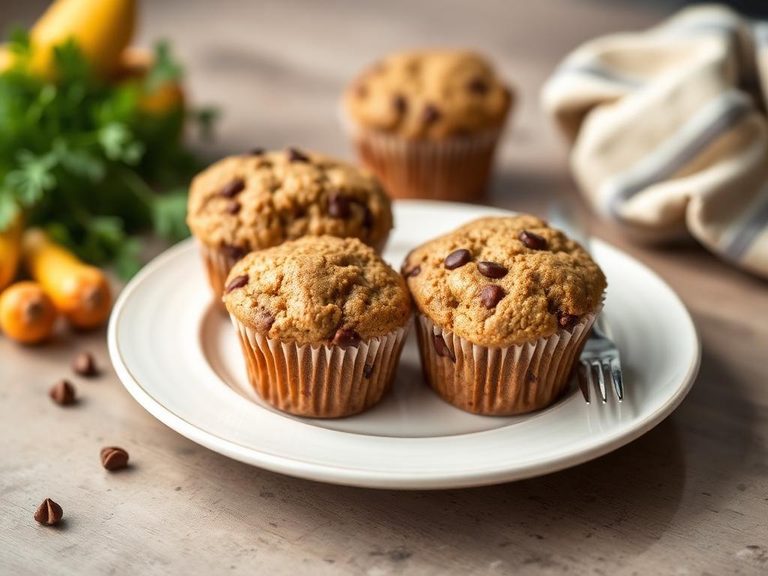 Used in baking for dairy-free recipes
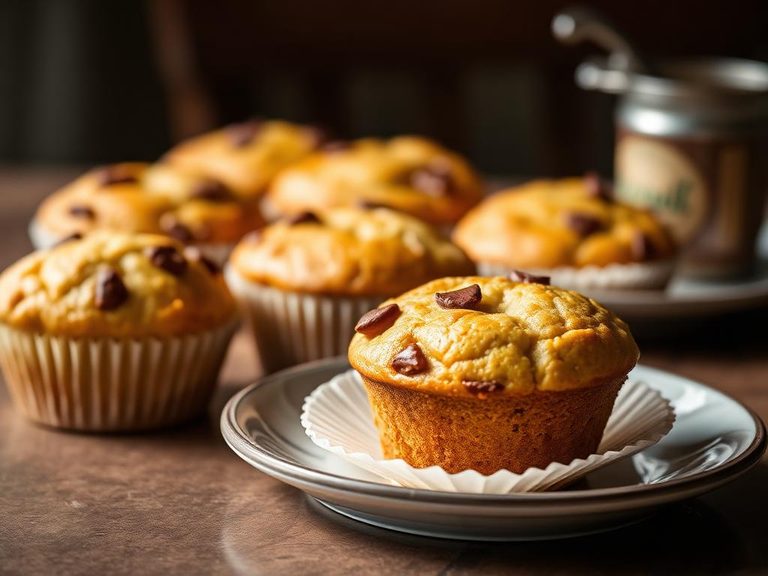 Used in baking toddler muffins
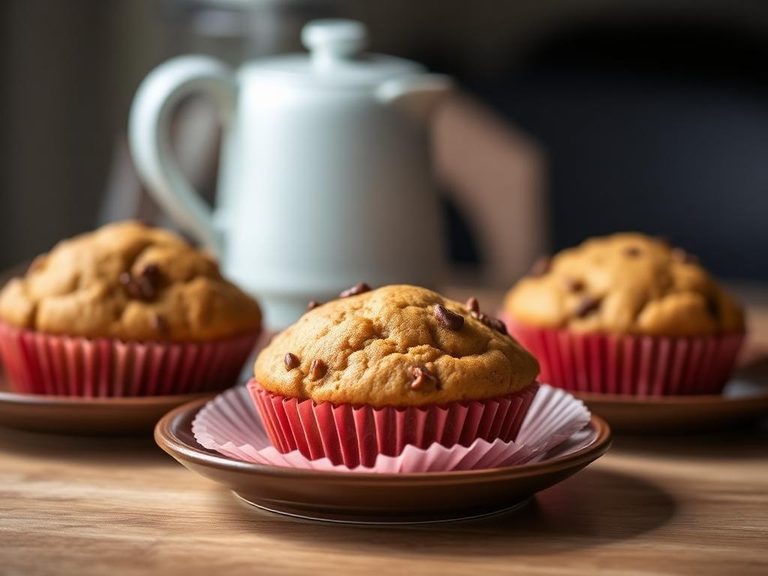 Used in baking for toddler-friendly muffins
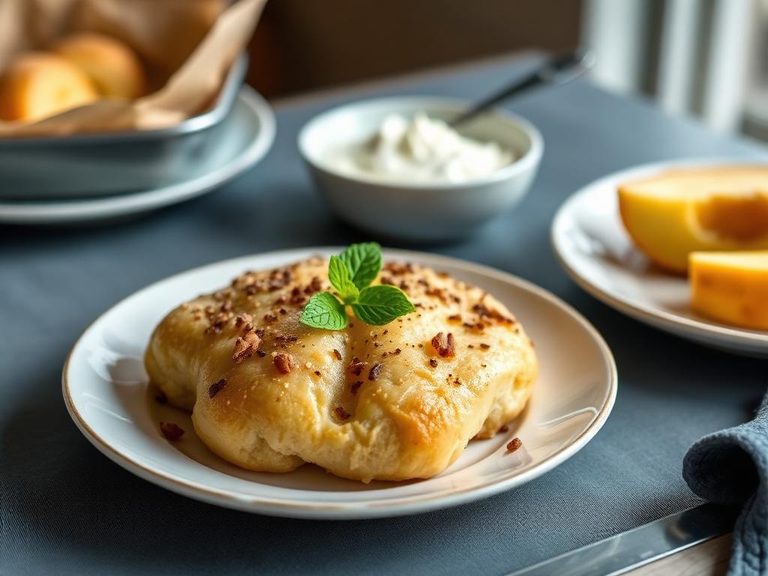 Used in special dietary baking for infants
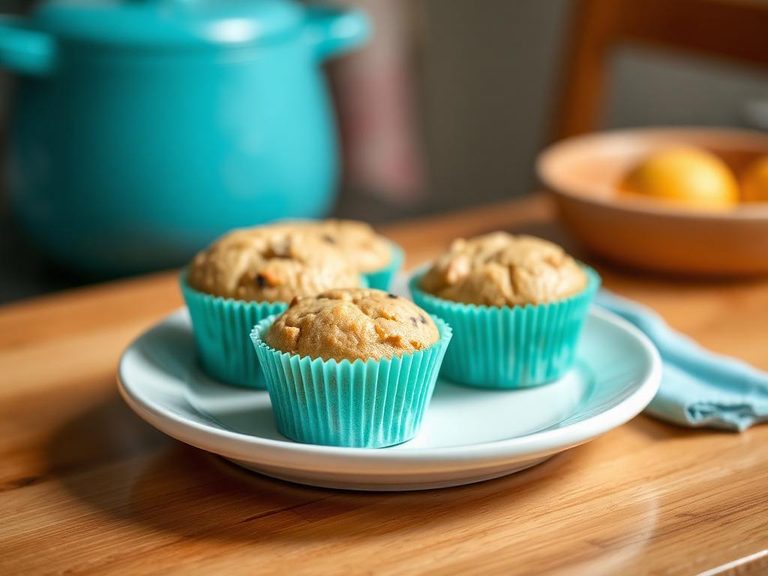 Used in baking for infant-friendly muffins
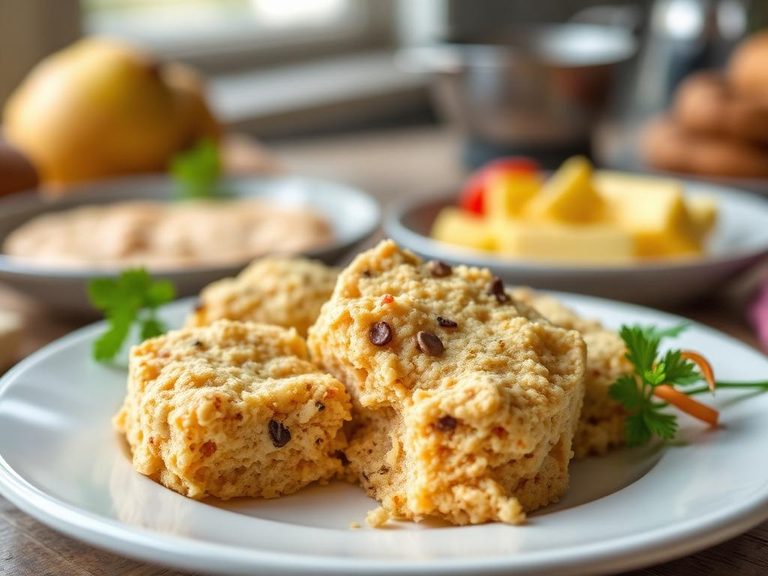 Baking Fat Substitute
AI estimate may be inaccurate · Terms