Used in baking toddler muffins
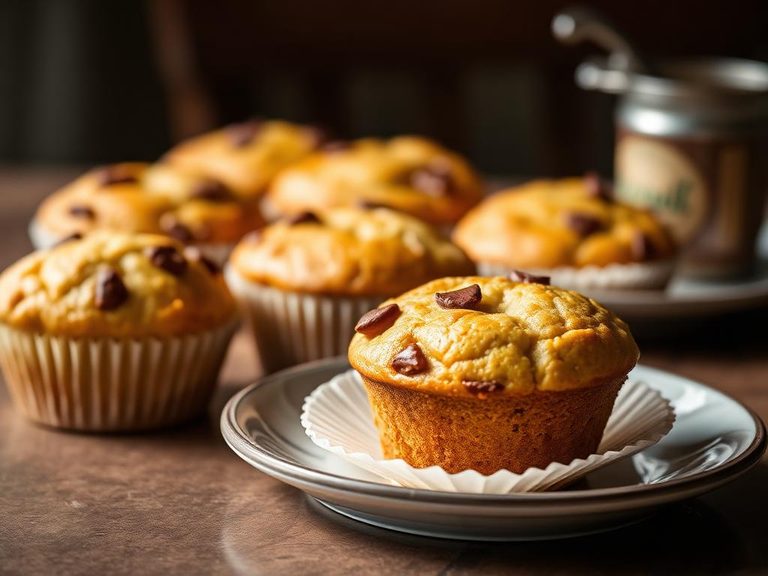
Toddler muffins are soft, bite-sized baked goods specifically designed for young children, typically made with mashed fruits or vegetables like bananas or zucchini, whole wheat flour, and a touch of natural sweetener. They originate from modern home baking culture, popularized in parenting communities and blogs as a convenient, nutrient-dense snack or breakfast option for toddlers.
🍽️ Nutrition at a glance
These muffins are generally moderate in carbohydrates from whole grains and fruit, with a balanced amount of healthy fats from ingredients like eggs or oil, and a modest amount of protein. They provide key nutrients like fiber, potassium, and vitamins from the added produce, with a rough calorie ballpark of 100-150 kcal per small muffin.
Nutrition breakdown
| Calories | 120 kcal |
| Protein | 3 g |
| Carbs | 18 g |
| Fat | 4 g |
| Fiber | 2 g |
| Sugar | 6 g |
| Sodium | 90 mg |
| Potassium | 150 mg |
| Vitamin C | 4 mg |
| Calcium | 30 mg |
| Iron | 1 mg |
| Vitamin A | 20 µg |
| Magnesium | 15 mg |
| Phosphorus | 40 mg |
| Zinc | 0.5 mg |
Per 1 small muffin (50 g) · estimated, varies by recipe
💡 What's interesting
What's unique is their intentional design for developmental stages—using natural sweetness to avoid added sugars and incorporating hidden vegetables to support picky eating habits, making them a culturally significant tool in modern parenting for promoting healthy eating habits early.
🍽️ Related dishes
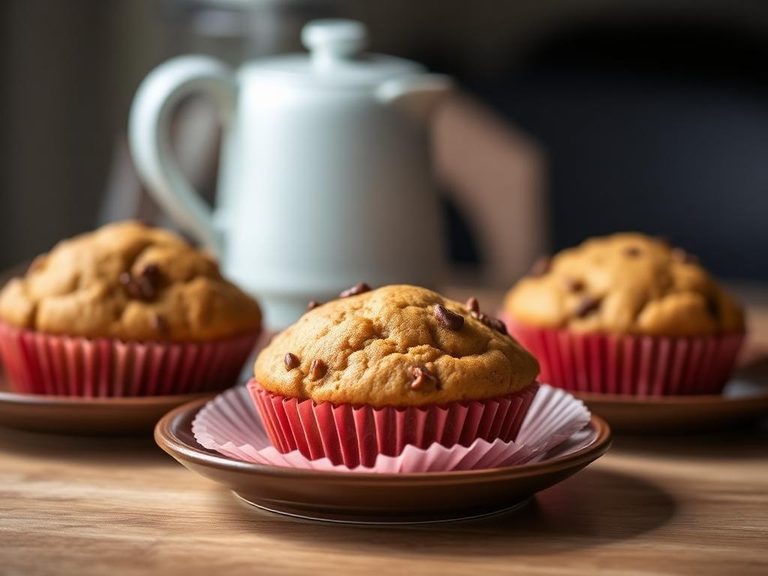 Used in baking for toddler-friendly muffins
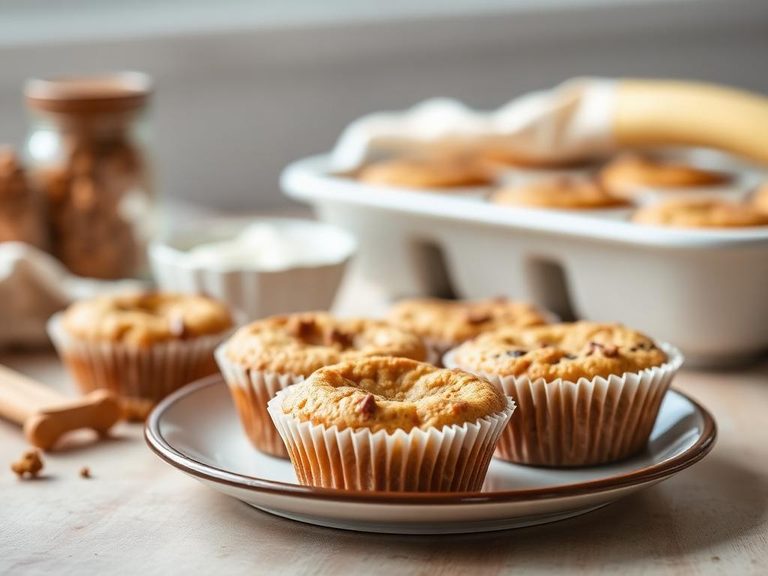 Baking ingredient for toddler-friendly muffins
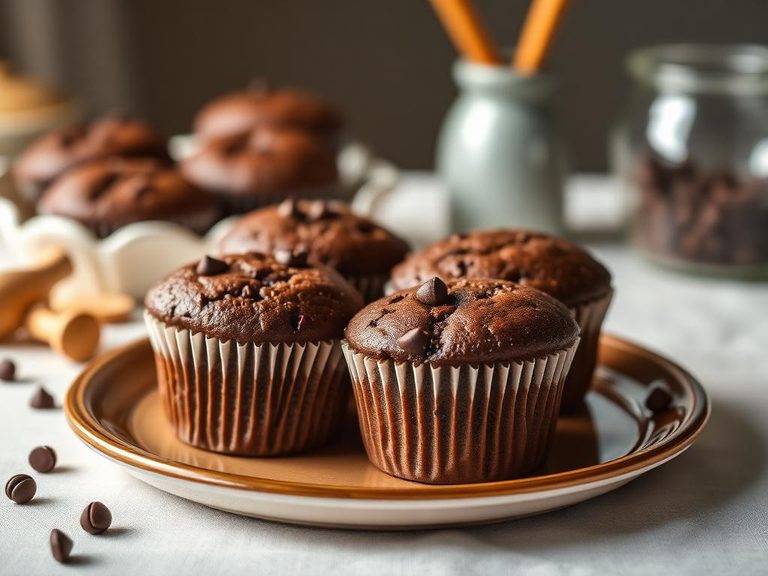 Used in baking for chocolate cakes or muffins
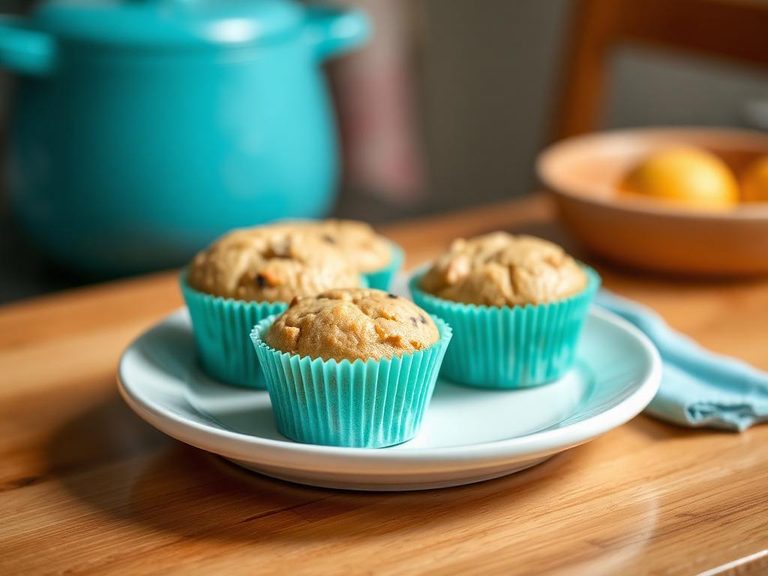 Used in baking for infant-friendly muffins
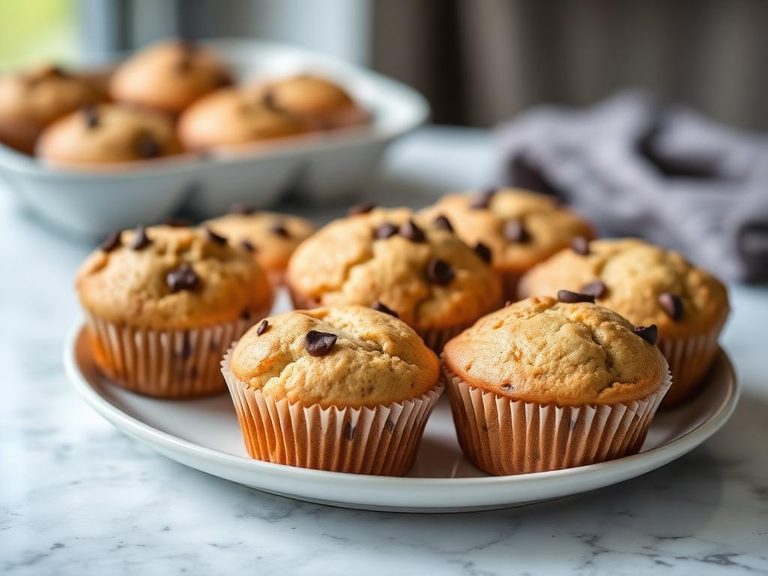 Used in Baked Toddler Muffins
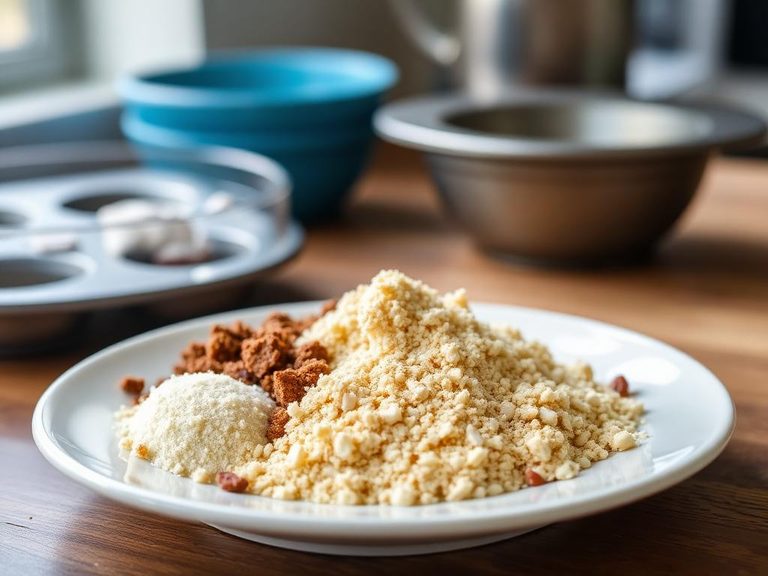 Baking Ingredient for Muffins or Brownies
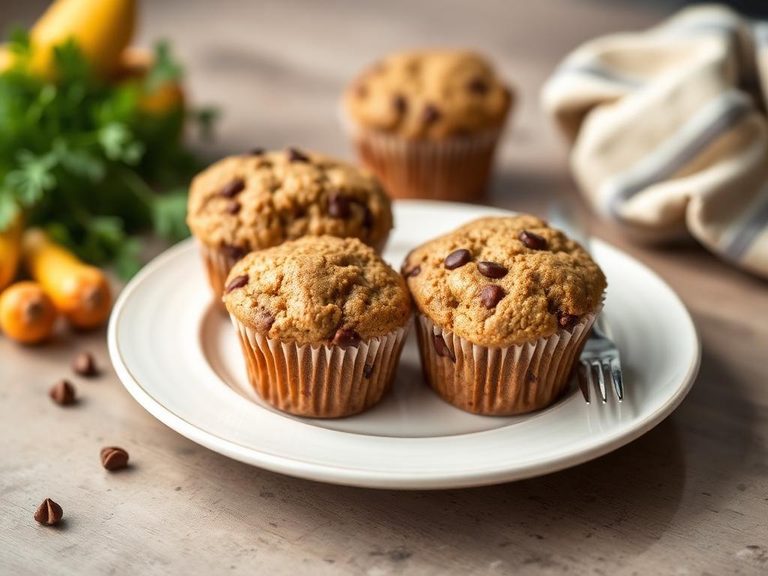 Used in baking for dairy-free recipes
 Used in special dietary baking for infants