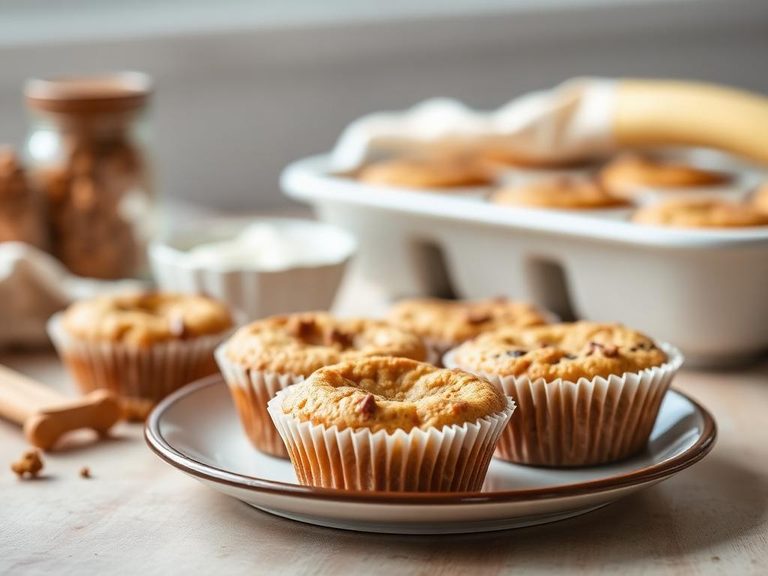
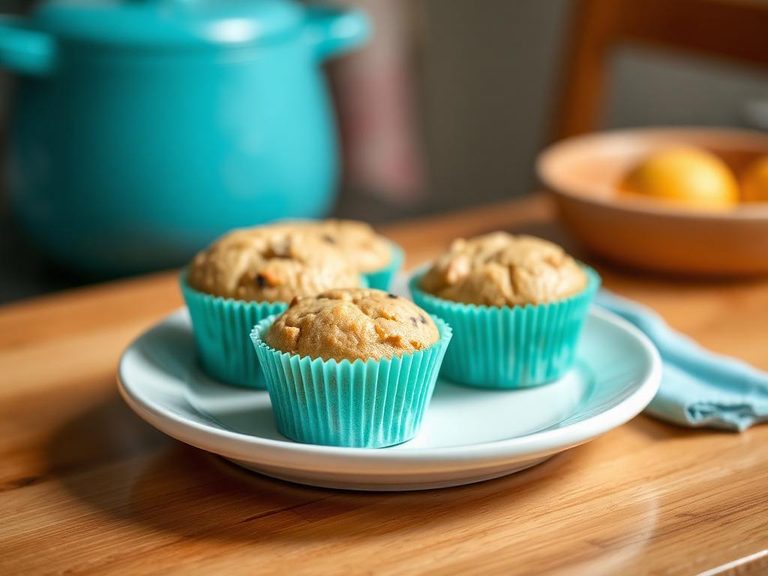
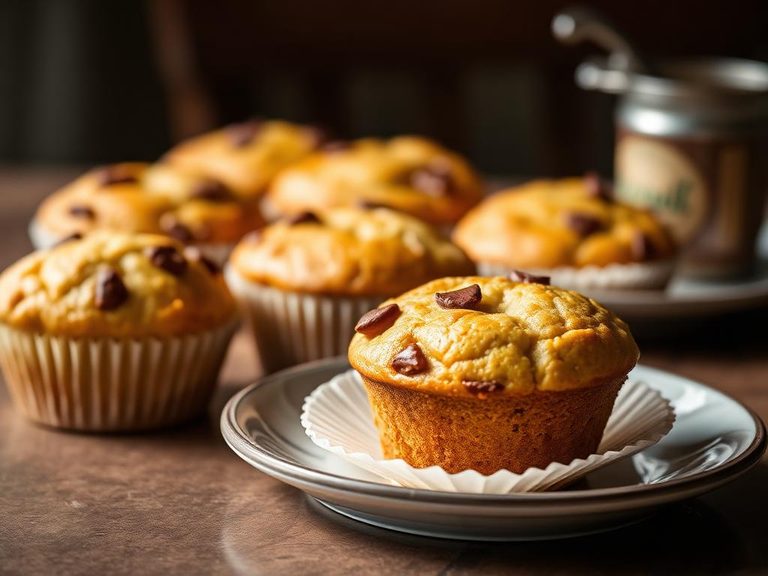
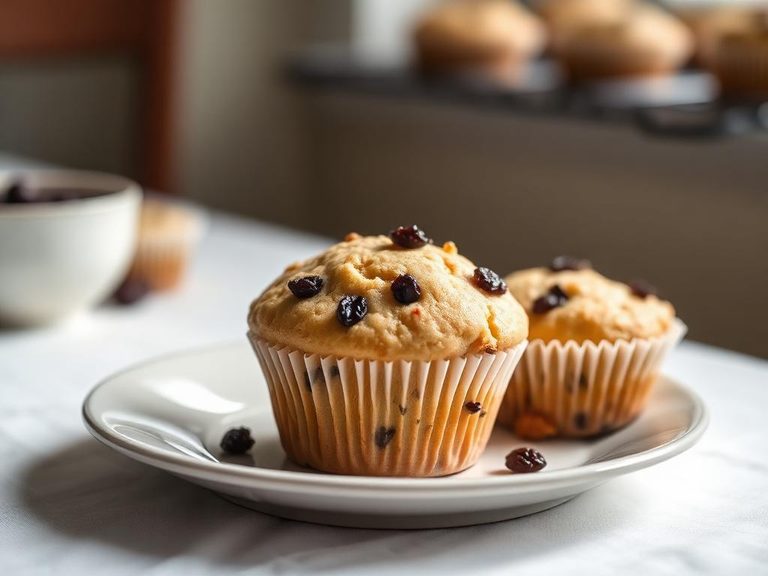
Used in baking for toddler-friendly muffins
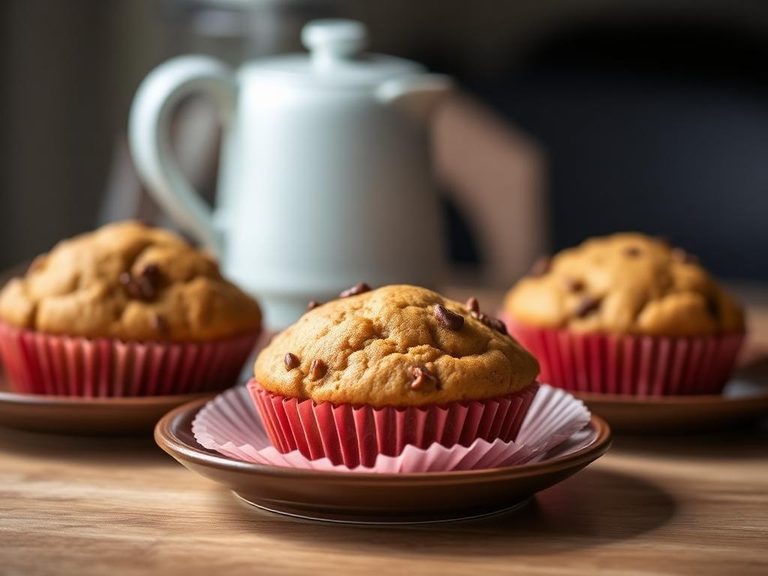
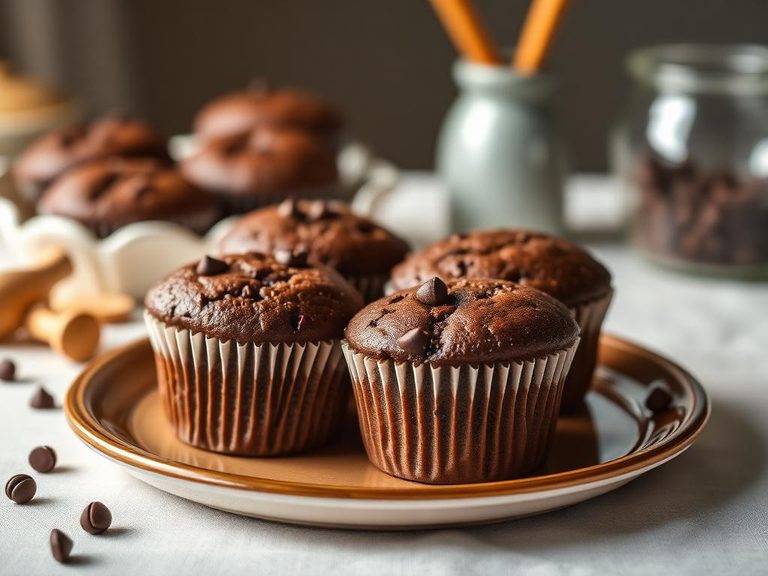
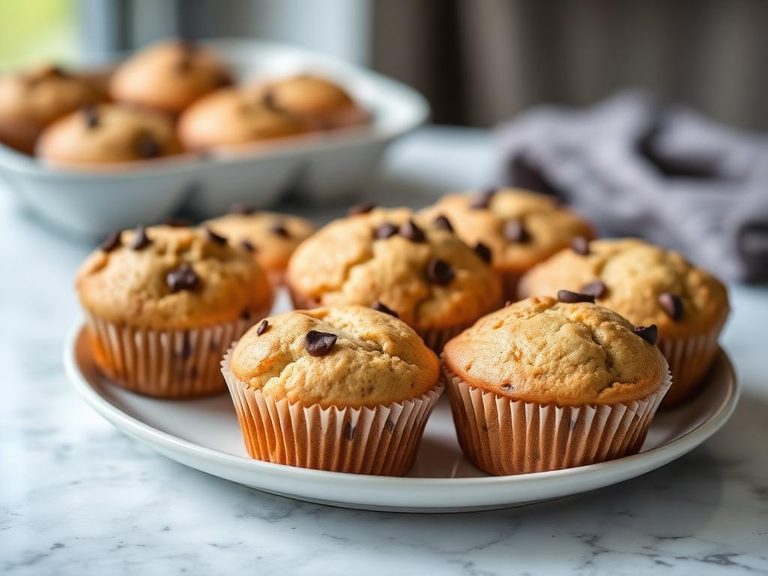
Toddler-friendly muffins are soft, bite-sized baked goods designed for young children, typically made with simple ingredients like whole wheat flour, mashed banana or applesauce, eggs, and a touch of honey or maple syrup. They often incorporate hidden vegetables like zucchini or carrots for added nutrition. This style of muffin is popular in home baking across Western countries, especially in North America and Europe, as a convenient, healthy snack.
🍽️ Nutrition at a glance
These muffins are generally moderate in carbohydrates from flour and fruit, with some protein from eggs and healthy fats if using ingredients like yogurt or nut butter. Key nutrients include fiber, vitamins A and C from added fruits or vegetables, and calcium if dairy is included. A typical small muffin (about 50g) has roughly 80-120 calories.
Nutrition breakdown
| Calories | 190 kcal |
| Protein | 4 g |
| Carbs | 30 g |
| Fat | 7 g |
| Fiber | 2 g |
| Sugar | 12 g |
| Sodium | 210 mg |
| Calcium | 60 mg |
| Iron | 1.5 mg |
| Potassium | 120 mg |
| Vitamin A | 40 µg |
| Vitamin D | 0.5 µg |
| Vitamin B1 (Thiamine) | 0.15 mg |
| Vitamin B2 (Riboflavin) | 0.1 mg |
| Folate | 35 µg |
Per 1 muffin (80 g) · estimated, varies by recipe
💡 What's interesting
Culturally, these muffins reflect a modern parenting trend of 'stealth health'—sneaking nutrient-dense ingredients into kid-friendly foods to combat picky eating. Nutritionally, they're unique because they balance energy-dense carbs with micronutrients, making them a practical way to support toddler growth and development.