

Used in baby cereal preparation
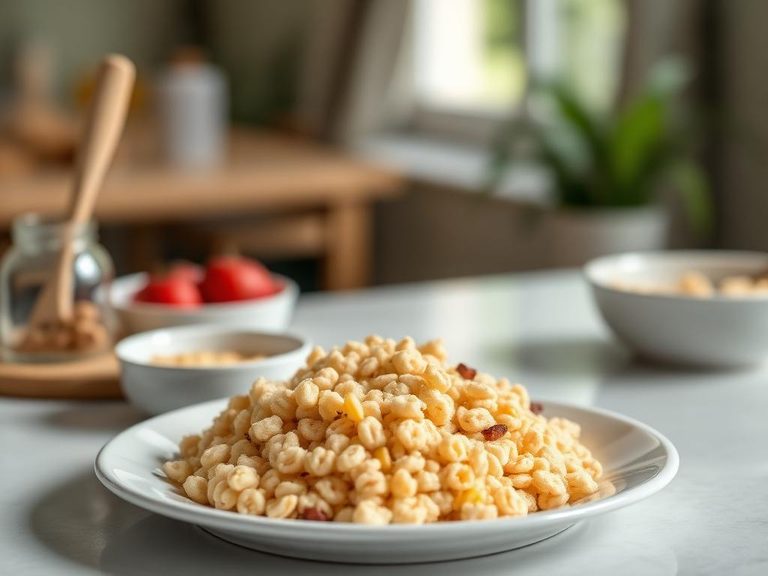
This refers to plain, unsweetened infant cereal, most commonly made from a single grain like rice, oats, or barley. It is a dry, finely milled powder that is mixed with breast milk, formula, or water to create a smooth, semi-liquid porridge for babies starting solids. It is a staple first food in many Western countries and is designed to be gentle on a developing digestive system.
🍽️ Nutrition at a glance
The cereal is primarily a source of carbohydrates for energy, with minimal fat and protein unless fortified. It is typically enriched with essential vitamins and minerals like iron, zinc, and B vitamins, which are crucial for an infant's growth and development, and a serving has a low calorie count.
Nutrition breakdown
| Calories | 120 kcal |
| Protein | 3 g |
| Carbs | 22 g |
| Fat | 2 g |
| Fiber | 2 g |
| Sugar | 2 g |
| Sodium | 60 mg |
| Iron | 10 mg |
| Zinc | 4 mg |
| Calcium | 150 mg |
| Vitamin B1 (Thiamin) | 0.5 mg |
| Vitamin B6 | 0.4 mg |
| Folate | 100 mcg |
| Potassium | 200 mg |
| Phosphorus | 100 mg |
Per 1 cup (240 g) prepared with water · estimated, varies by recipe
💡 What's interesting
A key feature of commercial infant cereal is its fortification with iron, a nutrient critical for brain development that is not abundant in breast milk after the first few months. The single-grain formulation also allows parents to easily monitor for potential food allergies by introducing one grain at a time.
🍽️ Related dishes
AI estimate may be inaccurate · Terms