

Used as a sweet filling for homemade candy bars
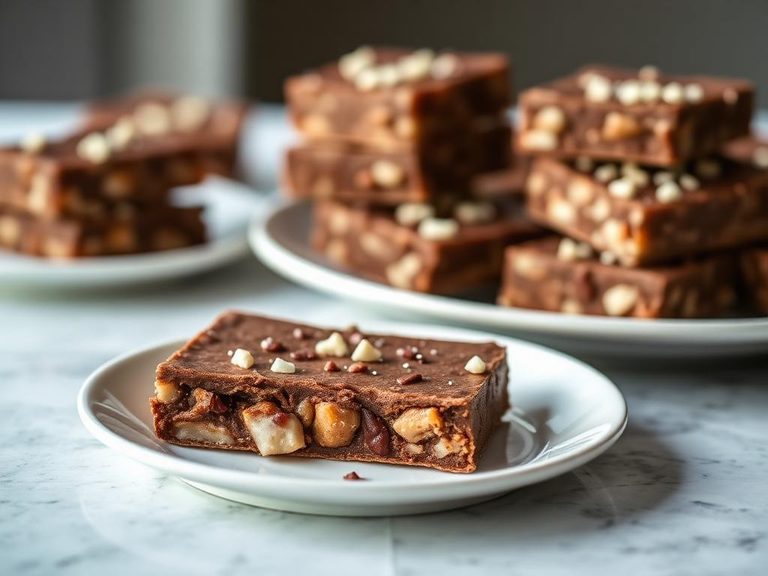
This refers to a sweet, pliable paste commonly used as a filling for homemade candy bars, often made from a base of dates, figs, or nuts blended with sweeteners like honey or maple syrup. It originates from various global confectionery traditions, where such fillings provide a natural, chewy texture without processed sugars.
🍽️ Nutrition at a glance
Typically high in carbohydrates and natural sugars from fruit, with moderate healthy fats if nuts are included, and a small amount of protein. A single serving (about 1 tablespoon) generally contains around 50-80 calories, offering quick energy and some fiber.
Nutrition breakdown
| Calories | 200 kcal |
| Protein | 2 g |
| Carbs | 30 g |
| Fat | 9 g |
| Fiber | 1 g |
| Sugar | 25 g |
| Sodium | 50 mg |
| Calcium | 30 mg |
| Iron | 0.5 mg |
| Potassium | 80 mg |
| Magnesium | 15 mg |
| Phosphorus | 30 mg |
| Vitamin A | 10 mcg |
| Vitamin E | 0.5 mg |
| Niacin (B3) | 0.3 mg |
Per 1/4 cup (60 g) · estimated, varies by recipe
💡 What's interesting
This filling is nutritionally interesting because it uses whole-food ingredients to mimic the sweetness and texture of candy, often providing more fiber and micronutrients than traditional syrups or creams. Culturally, it reflects a trend toward homemade, less processed sweets, drawing from practices in Mediterranean, Middle Eastern, and raw food movements.
🍽️ Related dishes


AI estimate may be inaccurate · Terms